Introduction
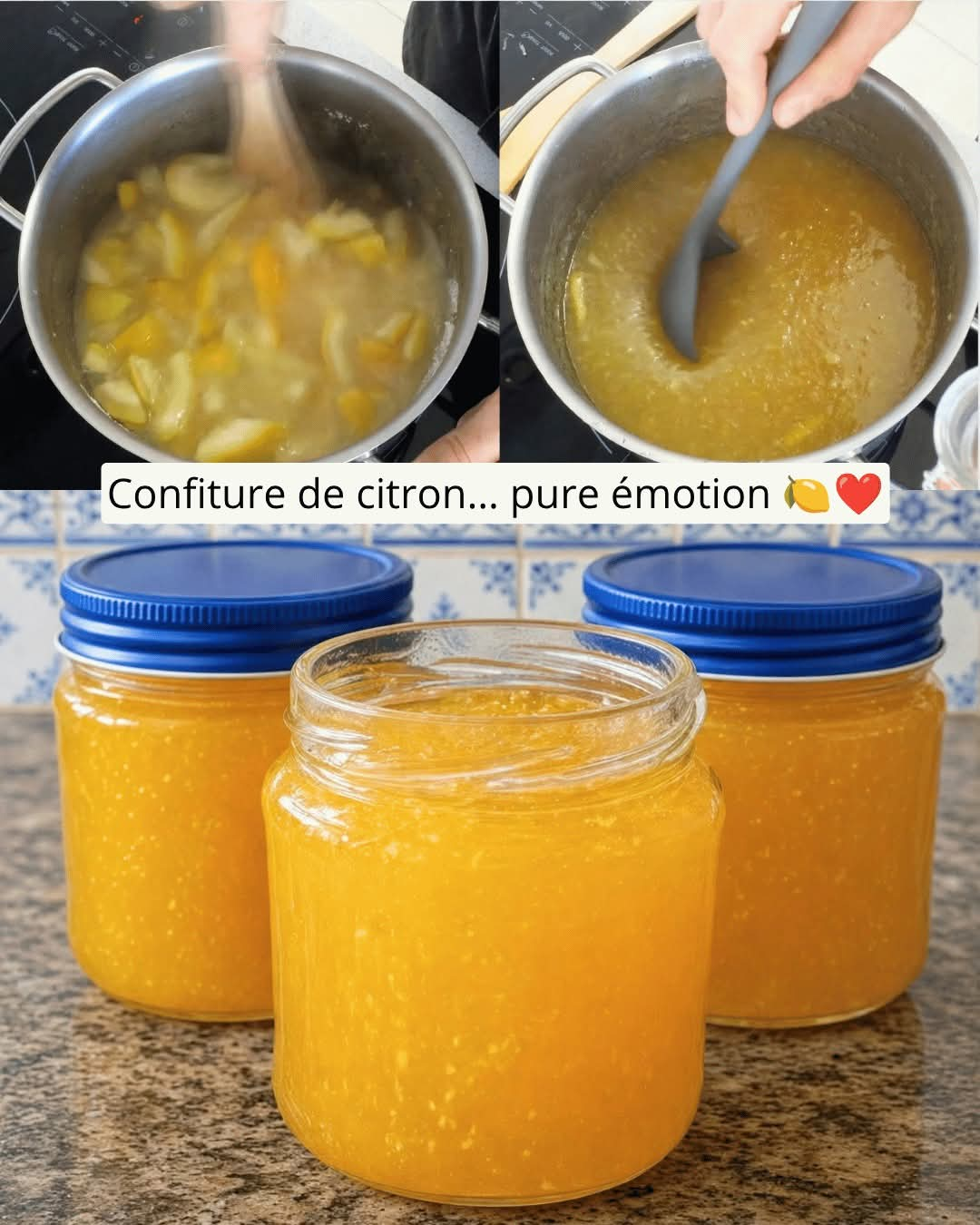
There is something truly special about homemade lemon marmalade. 🍋💛 With its beautiful golden color, refreshing citrus aroma, delicate sweetness, and perfectly balanced acidity, this traditional preserve turns simple lemons into a delicious treat that can brighten any breakfast table.
Spread it over warm toast, serve it with freshly baked bread, or enjoy a spoonful alongside your favorite pastries. Every bite offers a wonderful combination of sweet and tangy flavors, with a fresh lemon fragrance that fills your kitchen as the marmalade gently simmers on the stove.
The best part? You can make this delightful lemon marmalade at home with a handful of simple ingredients. No special equipment is required, and you can adjust the sweetness and tartness to suit your personal taste.
Whether you are preparing a homemade gift, preserving seasonal citrus fruits, or simply looking for something delicious to enjoy with your morning coffee, this easy lemon marmalade recipe is worth adding to your collection.
Recipe Information
- Recipe Name: Homemade Lemon Marmalade
- Preparation Time: 20 minutes
- Cooking Time: 45–60 minutes
- Total Time: Approximately 1 hour and 20 minutes
- Chilling Time: Optional
- Cuisine: Traditional homemade preserve
- Category: Jam, Marmalade, Breakfast Spread
- Difficulty: Easy to moderate
- Yield: Approximately 2 small jars, depending on the amount of juice and cooking time
- Main Ingredients: Fresh lemons, sugar, and water
- Flavor: Sweet, tangy, citrusy, and fragrant
- Best Served With: Toast, croissants, pancakes, biscuits, yogurt, and cakes
Ingredients
To prepare this delicious homemade lemon marmalade, gather the following ingredients.
Main Ingredients
- 4 medium organic or unwaxed lemons
- 2 cups granulated white sugar (approximately 400 g)
- 3 cups water (approximately 720 ml)
- 1 tablespoon fresh lemon juice, if needed
- A small pinch of salt, optional
Optional Ingredients for Extra Flavor
- 1 teaspoon finely grated fresh ginger
- 1 teaspoon vanilla extract, added near the end of cooking
- 1 small orange for a sweeter, more rounded citrus flavor
- A small pinch of cinnamon for a subtle warming note
Important: The white pith beneath the lemon peel can taste bitter. Leaving some pith helps provide natural pectin, which assists the marmalade in setting, but too much can make the final result excessively bitter. Adjust the preparation according to your taste.
Instructions: How to Make Homemade Lemon Marmalade
Step 1: Wash the Lemons
Wash the lemons thoroughly under running water. If possible, choose unwaxed lemons because the peel is an important part of this recipe.
Dry the lemons with a clean kitchen towel. Inspect the skins and remove any damaged areas.
Fresh, fragrant lemons will provide the best flavor and aroma.
Step 2: Prepare the Lemon Peel
Using a sharp knife or vegetable peeler, remove the yellow outer peel from the lemons.
Try to avoid removing too much of the white pith underneath, as it can contribute bitterness.
Cut the peel into thin strips. If you prefer a rustic marmalade with a more substantial texture, cut the strips slightly thicker.
For a smoother marmalade, chop the peel into smaller pieces.
Step 3: Prepare the Lemon Flesh
Cut the peeled lemons in half and squeeze out the juice. Remove the seeds carefully.
Chop the remaining lemon flesh into small pieces, removing any thick central membranes or excess white pith.
Keep the lemon juice and prepared flesh for the cooking process.
Step 4: Soften the Lemon Peel
Place the lemon peel in a medium saucepan and add the water.
Bring the mixture to a boil over medium-high heat. Reduce the heat and allow it to simmer gently for approximately 25–35 minutes, or until the peel becomes tender.
Stir occasionally and check that enough liquid remains in the saucepan.
If the peel is still firm, continue cooking until it softens. This step is essential because the sugar will not soften the peel as effectively once the mixture becomes concentrated.
Step 5: Add the Lemon Juice and Sugar
Add the reserved lemon juice and chopped lemon flesh to the softened peel.
Pour in the sugar and stir until it dissolves completely.
If you enjoy a slightly less sweet marmalade, you may be tempted to reduce the sugar substantially. However, sugar contributes to preservation and the final texture, so reducing it can affect both. For a lower-sugar version, use a tested recipe specifically designed for reduced-sugar preserves.
Bring the mixture back to a gentle boil, stirring carefully to prevent sticking.
Step 6: Simmer Until Thickened
Reduce the heat slightly and continue cooking for approximately 20–30 minutes, stirring frequently.
As the water evaporates, the mixture will become thicker, shinier, and more syrup-like.
Watch the saucepan closely toward the end of cooking. Marmalade can stick to the bottom of the pan if the heat is too high.
To test the consistency, place a small plate in the freezer for a few minutes. Put a teaspoon of marmalade on the cold plate and allow it to cool briefly.
Push the marmalade gently with your finger. If the surface wrinkles slightly and the mixture moves slowly, it may be ready. If it remains very runny, continue cooking and test again.
A thermometer can also help: traditional high-sugar marmalade often reaches approximately 104–105°C at sea level, although the correct setting temperature varies with altitude, sugar concentration, and the recipe.
Step 7: Adjust the Flavor
Taste a small amount after allowing it to cool slightly.
If the marmalade is too sweet, a little additional lemon juice can brighten the flavor. If it is too sharp, a little more sugar may help, provided you continue cooking until the mixture reaches the desired consistency.
For a special variation, stir in a little freshly grated ginger near the end of cooking.
Avoid adding too much extra liquid at this stage, as it can make the marmalade runny.
Step 8: Prepare the Jars
Wash the jars and lids thoroughly. Prepare them using an appropriate sterilization method for your chosen preservation process.
If you plan to store the marmalade at room temperature, use a tested canning recipe and follow the recommended jar preparation, headspace, and boiling-water processing instructions for your altitude and jar size. Simply pouring hot marmalade into a jar and closing the lid is not sufficient to guarantee safe shelf-stable storage.
For a refrigerator-only batch, clean jars and careful handling are still essential.
Step 9: Fill the Jars
Remove the marmalade from the heat and allow the most vigorous bubbling to subside.
Carefully transfer the hot marmalade into the prepared jars, leaving the appropriate headspace for your chosen storage method.
Wipe the rims clean and close the jars according to the instructions for your preservation method.
Allow the marmalade to cool safely. As it cools, it will usually thicken further.
Step 10: Enjoy Your Homemade Marmalade
Once the marmalade has cooled, spread it over toast, serve it with warm bread, or use it as a filling for cakes and pastries.
Its golden color and bright citrus aroma make it a wonderful homemade treat for breakfast, afternoon tea, or a cozy weekend brunch.
Preparation Methods: Different Ways to Make Lemon Marmalade
Method 1: Classic Lemon Marmalade
The classic method uses lemon peel, lemon flesh, lemon juice, sugar, and water.
The peel is softened first, after which the sugar and juice are added. The mixture is then simmered until it reaches a thick, glossy consistency.
This method creates a traditional marmalade with visible pieces of peel and a balanced sweet-and-tangy flavor.
Method 2: Smooth Lemon Marmalade
If you prefer a smoother spread, finely chop the lemon peel before cooking.
Once the mixture has softened, you can carefully blend a portion of it using suitable heat-safe equipment. Allow the mixture to cool sufficiently before blending, and follow your appliance’s instructions for hot liquids.
Return the mixture to the saucepan and finish cooking until it thickens.
The result is a smoother spread that works particularly well on pancakes, muffins, and soft bread.
Method 3: Lemon and Ginger Marmalade
For a warming variation, add one teaspoon of freshly grated ginger during the final stages of cooking.
Ginger adds a subtle spicy note that complements the sharpness of the lemons.
This version is especially enjoyable during colder weather and pairs beautifully with toasted sourdough bread.
Method 4: Lemon and Orange Marmalade
Replace one or two of the lemons with a small orange.
The orange introduces a sweeter, softer citrus flavor while the lemons provide the refreshing acidity.
This combination creates a more rounded marmalade that is delicious with croissants, scones, and breakfast pastries.
Method 5: Small-Batch Refrigerator Marmalade
If you are making marmalade for immediate enjoyment, prepare a smaller quantity and store it in the refrigerator.
Transfer the finished marmalade to a clean container, refrigerate promptly, and always use a clean spoon.
For this refrigerator version, do not assume that the jar is safe for pantry storage simply because it has been sealed.
The History of Lemon Marmalade
Marmalade has a long and fascinating history connected with fruit preservation.
The word is associated with the Portuguese term marmelada, historically referring to a preserve made from quince. Over time, marmalade developed into several different citrus-based preparations, particularly in Britain, where orange marmalade became a familiar breakfast staple.
Before modern refrigeration, preserving fruit with sugar was an important way to extend its usefulness beyond the harvest season. Citrus fruits were especially valued for their distinctive aroma, acidity, and ability to create flavorful preserves.
Lemon marmalade developed as one of the many variations enjoyed by home cooks who wanted to transform fresh citrus into something that could be stored and served in small portions.
Traditional recipes vary from one household to another. Some include thin strips of peel, while others feature thicker pieces for a more pronounced texture. Certain recipes combine lemons with oranges, ginger, or other aromatic ingredients.
Today, homemade lemon marmalade remains popular because it is simple, versatile, and offers a flavor that balances the sweetness of sugar with the lively acidity of lemons.
Making it at home also allows you to control the peel size, bitterness, texture, and flavor combinations.
Benefits of Homemade Lemon Marmalade
Homemade lemon marmalade can be a delicious addition to a balanced diet when enjoyed in moderate portions.
1. Contains Citrus-Derived Nutrients
Lemons naturally contain vitamin C and other plant compounds. Some of these nutrients may remain in the finished marmalade, although prolonged heating reduces vitamin C levels.
Because marmalade is cooked with sugar, it should not be considered equivalent to eating fresh lemons or other whole fruits.
2. Provides Quick Energy
The sugar in marmalade supplies carbohydrates that the body can use for energy.
A small serving can add sweetness to breakfast, but it is best enjoyed in moderation because the recipe contains a substantial amount of added sugar.
3. Offers a Bright, Refreshing Flavor
The natural acidity and fragrance of lemons create a lively flavor that can make simple foods more enjoyable.
A thin layer on whole-grain toast, for example, can add plenty of citrus character without requiring a large portion.
4. Makes Use of the Whole Fruit
Lemon peel contributes the characteristic texture and aroma of marmalade. Citrus peel also contains plant compounds, including flavonoids.
However, the amount retained in a finished preserve depends on the ingredients, preparation method, and cooking time.
5. Encourages Homemade Cooking
Preparing marmalade at home gives you control over the ingredients and allows you to avoid unnecessary artificial colors or flavors.
You can also experiment with combinations such as lemon and ginger or lemon and orange.
6. Creates a Versatile Pantry Ingredient
A jar of lemon marmalade can be used in many ways beyond breakfast.
It can flavor cakes, brighten yogurt, add a citrus note to sauces, or become part of a glaze for baked desserts.
A nutritional note: Lemon marmalade is a sweet preserve, not a medicine. It does not cure illnesses, detoxify the body, or replace fresh fruit and a balanced diet. People who need to monitor their sugar intake should pay attention to portion size and choose a recipe appropriate for their needs.
Formation and Texture: What Makes Perfect Lemon Marmalade?
The texture of lemon marmalade depends on several important factors.
Natural Pectin
Citrus fruits contain pectin, a natural substance that helps fruit preserves form a gel when the conditions are right.
The peel and certain internal membranes are particularly useful sources of pectin. The amount available varies depending on the fruit and how it is prepared.
Acidity
Lemon juice provides acidity, which helps pectin form a gel under suitable conditions.
It also balances the sweetness and gives marmalade its characteristic sharp citrus taste.
Sugar
Sugar contributes sweetness, helps the mixture thicken as water evaporates, and plays an important role in traditional preservation.
The proportions of sugar, fruit, acid, and water all influence the final result.
Cooking Time
Cooking too briefly can leave the marmalade watery. Cooking for too long can make it excessively thick, dark, or caramelized.
The best approach is to simmer gently, test the setting point, and remember that the marmalade will become firmer as it cools.
The Perfect Golden Finish
A beautiful marmalade should look glossy and golden, with tender strips of lemon peel distributed throughout the mixture.
The syrup should cling to a spoon without becoming unpleasantly hard or sticky.
A slightly loose consistency while the marmalade is hot is normal. Allow it to cool before deciding whether it has set properly.
Expert Tips for the Best Homemade Lemon Marmalade
- Choose fragrant lemons: Fresh fruit with a strong citrus aroma gives the marmalade a more pronounced flavor.
- Wash the peel carefully: Choose unwaxed fruit when possible, particularly because the peel is used directly in the recipe.
- Cut the peel evenly: Uniform pieces cook more consistently and create a more attractive final texture.
- Soften the peel before adding sugar: This helps ensure that the peel becomes tender rather than chewy.
- Stir regularly: Frequent stirring near the end prevents scorching.
- Avoid excessive heat: A steady simmer gives you better control over the final consistency.
- Test before removing from the heat: A cold-plate test helps you judge whether the marmalade is ready.
- Do not judge it while boiling: The mixture will appear thinner when hot than it will after cooling.
- Keep storage safety in mind: Use a tested canning process for pantry storage, or refrigerate the finished batch for short-term use.
Serving Suggestions
Homemade lemon marmalade is much more versatile than it might first appear.
For Breakfast
Spread a thin layer over warm toast, toasted baguette slices, brioche, or whole-grain bread.
For a simple breakfast treat, pair it with butter or cream cheese.
With Pastries
Serve the marmalade with croissants, scones, muffins, pancakes, or waffles.
Its citrus flavor balances buttery pastries and adds a refreshing contrast to richer baked goods.
With Yogurt
Stir a small spoonful into plain yogurt and top with chopped nuts or fresh fruit.
This creates a simple breakfast or snack with a sweet, tangy flavor.
In Cakes and Desserts
Use lemon marmalade as a filling between cake layers, a topping for cheesecake, or a glaze for lemon loaf cake.
You can also swirl a little into cupcake batter or spoon it over vanilla ice cream.
As a Savory Glaze
Mix a small quantity with mustard and a little olive oil to create a sweet-and-tangy glaze for suitable roasted vegetables or baked chicken.
For savory dishes, taste the mixture carefully and adjust the seasoning to complement the main ingredients.
With Afternoon Tea
Serve a small bowl of lemon marmalade with tea, biscuits, and freshly baked bread.
Its bright flavor makes it a lovely addition to a relaxed afternoon gathering.
Storage Instructions
Correct storage is important for maintaining the flavor and safety of homemade marmalade.
Refrigerator Storage
For a small batch that has not been processed using a tested canning method, transfer the marmalade to clean containers and refrigerate promptly.
Use a clean spoon each time you serve it. As a conservative home-use guideline, aim to consume refrigerator marmalade within approximately two to three weeks, or sooner if your recipe or food-safety guidance recommends it.
Discard it if you notice mold, fermentation, an unusual odor, or other signs of spoilage. Do not taste questionable preserves.
Freezer Storage
For longer storage without pantry canning, place the cooled marmalade in a freezer-safe container, leaving room for expansion.
Freeze it promptly and thaw it in the refrigerator when you are ready to use it. Texture may change slightly after thawing.
Pantry Storage
Room-temperature storage requires an appropriate tested recipe and a complete canning process. Follow authoritative preservation instructions for the exact fruit proportions, jar size, processing time, and altitude.
A tight lid or a vacuum seal alone does not establish that a homemade preserve is safe for long-term pantry storage.
Common Mistakes to Avoid
Mistake 1: Using Too Much White Pith
Excessive white pith can make the marmalade unpleasantly bitter.
Solution: Remove most of the thick pith if you prefer a milder flavor, while retaining enough suitable citrus material to help the marmalade set.
Mistake 2: Adding Sugar Too Early
If the peel has not softened sufficiently, the final texture may remain chewy.
Solution: Cook the peel in water until tender before adding the sugar.
Mistake 3: Cooking at Excessively High Heat
High heat can cause scorching and uneven thickening.
Solution: Maintain a controlled boil and stir frequently, particularly as the mixture becomes concentrated.
Mistake 4: Stopping the Cooking Too Soon
A marmalade that has not reached its setting point may remain runny after cooling.
Solution: Use a cold-plate test and continue cooking in short intervals when necessary.
Mistake 5: Expecting Instant Thickness
Marmalade continues to thicken as it cools.
Solution: Let a small sample cool before making a final judgment about its consistency.
Mistake 6: Storing It Unsafely
A homemade preserve is not automatically shelf-stable just because it contains sugar and lemon juice.
Solution: Refrigerate an unprocessed batch, freeze it for longer storage, or follow a tested canning procedure.
Frequently Asked Questions
Can I make lemon marmalade without a food processor?
Yes! A sharp knife, cutting board, saucepan, and spoon are sufficient. Simply cut the peel and lemon flesh into your preferred size.
Why is my lemon marmalade bitter?
Bitterness can come from the white pith, seeds, or the natural flavor of the peel. Removing seeds and trimming excess pith can help, although a slight bitterness is characteristic of many traditional marmalades.
Why has my marmalade not thickened?
It may need more cooking, or the balance of sugar, acid, liquid, and pectin may not be suitable. Simmer it a little longer and test again. If it still fails to set, it can often be enjoyed as a lemon syrup or topping rather than discarded.
Can I use bottled lemon juice?
Fresh lemons are preferable for this recipe because the peel and fruit provide much of the flavor and texture. For tested canning recipes, use the type of juice specified in the recipe rather than making unverified substitutions.
Can I reduce the sugar?
You can experiment with a refrigerator-only version, but reducing sugar can affect the setting and storage life. For reliable results, use a tested low-sugar marmalade recipe with the appropriate pectin.
What can I do with leftover lemon marmalade?
Use it as a cake filling, stir it into yogurt, spoon it over pancakes, or mix a little into a dessert glaze.
Conclusion
Homemade lemon marmalade is a wonderful way to transform fresh citrus fruit into a golden, fragrant, and versatile spread. With its balance of sweetness and acidity, tender strips of peel, and glossy texture, it brings a little homemade magic to everyday meals.
The recipe is simple enough for beginners and flexible enough for experienced home cooks. You can keep it traditional, add ginger for a warming twist, or combine lemons with oranges for a softer citrus flavor.
Most importantly, take your time with the cooking process, test the consistency carefully, and store your finished marmalade safely.
Once you have tasted homemade lemon marmalade on a slice of warm toast, you may find that breakfast becomes something to look forward to every morning. 🍋💛