Introduction
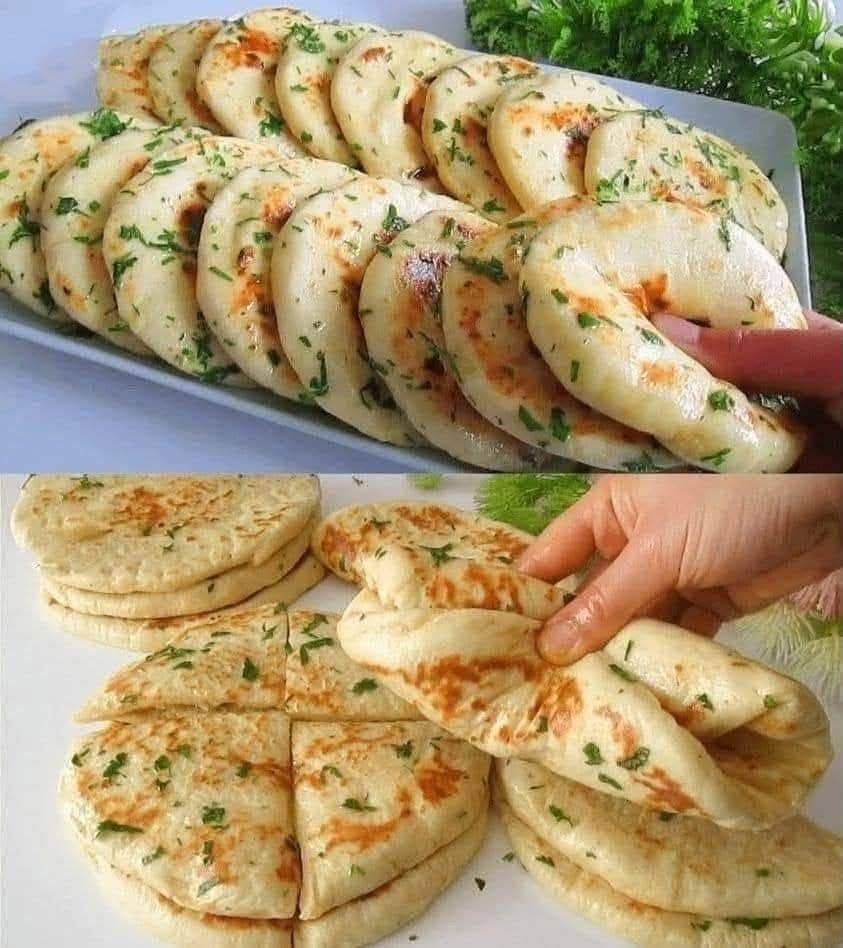
If you love homemade bread but don’t have hours to spend in the kitchen, these fantastic garlic flatbreads are just what you need! Soft, warm, delicious, and filled with the irresistible aroma of fresh garlic, this easy recipe is perfect for busy days when you want something homemade in minutes.
These quick garlic flatbreads are made with simple ingredients that you probably already have in your kitchen. There is no need for an oven, complicated techniques, or special baking equipment. Just prepare a simple dough, cook the flatbreads in a hot skillet, and brush them with fragrant garlic butter for a mouthwatering finish.
Serve them alongside soups, salads, curries, grilled meats, or your favorite dipping sauces. You can even enjoy them on their own as a delicious snack!
Whether you’re cooking for your family, preparing a quick lunch, or looking for an easy homemade bread recipe, these garlic flatbreads are sure to become a favorite.
Recipe Information
- Recipe Name: Quick Garlic Flatbreads
- Preparation Time: 5 minutes
- Cooking Time: 5–8 minutes
- Total Time: Approximately 10–13 minutes
- Servings: 4 small flatbreads
- Cuisine: Homemade, Mediterranean-inspired
- Cooking Method: Stovetop skillet
- Difficulty: Easy
- Main Flavor: Buttery, garlicky, and savory
Note: The exact timing depends on the size and thickness of your flatbreads.
Ingredients
For the Flatbread Dough
- 2 cups (250 g) all-purpose flour
- ¾ cup (180 ml) plain yogurt or warm water, added gradually as needed
- 1 teaspoon baking powder
- ½ teaspoon salt
- 1 tablespoon olive oil
- 1–2 tablespoons extra flour for dusting, if needed
For the Garlic Butter
- 3 tablespoons butter, melted
- 3–4 garlic cloves, finely minced
- 1 tablespoon fresh parsley, chopped
- A small pinch of salt
- ½ teaspoon olive oil, optional
Optional Ingredients
- 2 tablespoons grated mozzarella or Parmesan cheese
- A pinch of chili flakes
- ½ teaspoon dried oregano
- A little fresh coriander instead of parsley
Instructions
Step 1: Prepare the Dough
In a large mixing bowl, combine the flour, baking powder, and salt. Mix well so the dry ingredients are evenly distributed.
Add the yogurt gradually, followed by the olive oil. Mix with a spoon until the ingredients begin to form a dough.
If the dough feels too dry, add a little more yogurt or water. If it feels excessively sticky, sprinkle in a small amount of flour.
Knead gently for about 1–2 minutes until the dough becomes soft and manageable. You don’t need to knead it for a long time.
Step 2: Divide the Dough
Place the dough on a lightly floured surface and divide it into four equal portions.
Roll each portion into a ball. Flatten each ball with your hands, then use a rolling pin to create a round or oval flatbread approximately 3–5 mm thick.
Try to keep the flatbreads relatively even in thickness so they cook uniformly.
Step 3: Heat the Skillet
Place a nonstick skillet or heavy frying pan over medium-high heat.
Allow it to become hot before adding the dough. You generally don’t need much oil because the flatbreads cook beautifully on a dry skillet.
Step 4: Cook the Flatbreads
Place one flatbread into the hot skillet.
Cook for approximately 1–2 minutes, until bubbles begin to appear and the bottom develops golden-brown spots.
Flip it and cook the other side for another 1–2 minutes. Adjust the heat if the bread starts browning too quickly before cooking through.
Repeat with the remaining flatbreads.
Step 5: Make the Garlic Butter
While the flatbreads are cooking, melt the butter in a small bowl.
Add the finely minced garlic, chopped parsley, and a pinch of salt. Stir until everything is combined.
For a milder garlic flavor, briefly warm the garlic in the melted butter without allowing it to brown.
Step 6: Brush and Serve
As soon as each flatbread comes out of the skillet, brush the surface generously with the garlic butter.
For extra flavor, sprinkle with Parmesan cheese, oregano, or a little chili flakes.
Stack the flatbreads on a plate and cover them loosely with a clean kitchen towel to help keep them soft.
Serve warm and enjoy every delicious bite!
Preparation Methods
Method 1: The Quick 10-Minute Method
For the fastest preparation, measure your ingredients before beginning. Mix the dough, divide it into small portions, and roll the flatbreads thinly.
Cook them in a preheated skillet while preparing the garlic butter. Brush each flatbread immediately after cooking.
Using thin, evenly rolled flatbreads and working with an adequately heated skillet helps shorten the cooking time.
Method 2: Extra-Soft Garlic Flatbreads
For a softer texture, use plain yogurt in the dough and avoid adding too much extra flour.
Don’t roll the dough too thin, and avoid cooking the flatbreads for too long. Once cooked, stack them under a clean kitchen towel.
This method produces soft, flexible flatbreads that are perfect for wrapping around grilled chicken, vegetables, or cheese.
Method 3: Cheesy Garlic Flatbreads
If you enjoy cheesy bread, sprinkle a little mozzarella or Parmesan over the flatbread during the final minute of cooking.
Cover the skillet briefly to help the cheese melt. Finish with garlic butter and fresh parsley.
Method 4: Vegan Garlic Flatbreads
To make a vegan version, use water or unsweetened plant-based yogurt instead of dairy yogurt, and replace butter with olive oil or a plant-based butter alternative.
Check that all ingredients are suitable for your dietary needs.
The History of Garlic Flatbreads
Flatbreads are among the oldest forms of bread in the world. Many cultures developed simple breads made from flour, water, and salt, cooking them on hot stones, clay surfaces, or metal pans.
Across the Mediterranean, the Middle East, North Africa, and South Asia, flatbreads became important everyday foods because they were affordable, versatile, and relatively quick to prepare.
Garlic has long been used in cooking to add a distinctive aroma and flavor. Combining garlic with oil or butter and spreading it over warm bread is a natural way to transform a simple staple into something special.
Today’s garlic flatbreads draw inspiration from many culinary traditions. They are not tied to one single historical recipe, but they share the same practical idea: turn basic ingredients into warm, flavorful bread that can accompany almost any meal.
Benefits of Homemade Garlic Flatbreads
These flatbreads can be a convenient addition to a balanced meal.
1. A Source of Energy
Flour provides carbohydrates, which are an important source of energy for the body. Pairing flatbread with protein-rich foods and vegetables can make a more balanced meal.
2. Garlic Adds Flavor
Garlic provides a strong, savory flavor that can make simple homemade food more satisfying. It also contains compounds such as allicin, which forms when fresh garlic is crushed or chopped.
Garlic is an ingredient, not a cure for disease, and the amount used in this recipe should be viewed as a culinary addition.
3. Homemade Ingredients
Preparing flatbread at home allows you to control the amount of salt, butter, and oil used. You can also choose the flour and seasonings according to your preferences.
4. A Versatile Side Dish
These flatbreads can accompany vegetable soups, bean dishes, salads, grilled foods, and many other meals.
5. An Opportunity to Add Herbs
Fresh parsley adds color and flavor. You can also use coriander, oregano, or other herbs to vary the taste.
A nutritional note: The final nutritional value depends on the flour, yogurt, butter, portion size, and other ingredients used. Garlic flatbreads are not automatically low-calorie or suitable for every dietary requirement.
Nutritional Information
Approximate values per flatbread, assuming four servings and using plain yogurt and the listed garlic butter:
- Calories: 280–340
- Carbohydrates: 40–48 g
- Protein: 6–9 g
- Fat: 9–13 g
- Fiber: 1–2 g
- Sodium: Varies with the salt and ingredients used
These figures are estimates, not laboratory measurements, and may change considerably depending on ingredient brands and portion sizes.
Expert Tips for Perfect Garlic Flatbreads
- Use a soft dough: A dough that is too dry can produce tough bread.
- Add liquid gradually: Different flours absorb different amounts of moisture.
- Preheat the skillet: A properly heated pan helps the bread develop golden spots.
- Avoid excessive flour: Too much flour during rolling can make the flatbreads dry.
- Don’t overcook: Flatbreads can become stiff if left on the heat for too long.
- Apply garlic butter immediately: The warm surface absorbs the delicious flavor.
- Adjust the garlic: Use less for a milder taste or more for a stronger garlic aroma.
- Keep cooked bread covered: This helps prevent the flatbreads from drying out.
What to Serve with Garlic Flatbreads
These delicious breads work well with many dishes.
With Soups
Serve them with tomato soup, lentil soup, vegetable soup, or creamy mushroom soup.
With Main Courses
Pair them with grilled chicken, roasted vegetables, meatballs, kebabs, or spiced chickpeas.
With Dips
Try them with hummus, tzatziki, baba ganoush, yogurt sauce, or a simple olive oil and herb dip.
For Breakfast or Lunch
Use them as a quick wrap with scrambled eggs, cheese, tomatoes, cucumbers, or leftover roasted vegetables.
For a Snack
Serve warm garlic flatbreads with melted cheese or a small bowl of marinara sauce for dipping.
Variations to Try
Cheesy Garlic Flatbread: Add mozzarella and a sprinkle of Parmesan.
Spicy Garlic Flatbread: Mix chili flakes into the garlic butter.
Herb Flatbread: Add oregano, thyme, or fresh coriander.
Whole-Wheat Flatbread: Replace part of the all-purpose flour with whole-wheat flour, adding liquid as needed.
Stuffed Garlic Flatbread: Place a little grated cheese in the center of each dough portion, seal carefully, and roll gently before cooking.
Lemon Garlic Flatbread: Add a small amount of lemon zest to the garlic butter for a fresh, bright flavor.
Storage and Reheating
How to Store
Allow the flatbreads to cool, then place them in an airtight container. Refrigerate for up to 3–4 days.
For food safety, refrigerate them within two hours of cooking.
How to Freeze
Freeze cooled flatbreads in a freezer-safe bag, separating them with pieces of baking paper so they don’t stick together. For best quality, use within approximately 2 months.
How to Reheat
- Skillet: Warm for about 30–60 seconds per side over medium-low heat.
- Microwave: Heat briefly under a slightly damp paper towel.
- Oven: Wrap in foil and warm at 160°C (320°F) until heated through.
If the flatbreads seem dry, brush them lightly with water or a little olive oil before reheating.
Frequently Asked Questions
Can I really make these in 10 minutes?
Yes, it is possible to prepare small, thin flatbreads in approximately 10 minutes if you work efficiently and your skillet is ready. Allow extra time if you’re new to making dough or preparing several batches.
Can I make the dough without yogurt?
Yes. Use water instead, adding it gradually until the dough becomes soft. The texture may be slightly different.
Do I need yeast?
No. This quick version uses baking powder rather than yeast, so it doesn’t require a long rising period.
Why are my flatbreads hard?
They may have been cooked for too long, rolled too thinly, or made with dough containing too much flour. Try using a softer dough and cooking over medium-high heat for a shorter time.
Can I prepare the dough in advance?
Yes. You can refrigerate the covered dough for several hours. Let it sit briefly at room temperature if it becomes too firm to roll easily.
Can I make them without butter?
Absolutely. Brush them with olive oil mixed with minced garlic and parsley for a dairy-free alternative.
Conclusion
These fantastic garlic flatbreads prove that homemade bread doesn’t have to be complicated or time-consuming. With a few everyday ingredients, a mixing bowl, and a hot skillet, you can prepare warm, soft, golden flatbreads topped with fragrant garlic butter.
They are perfect for family dinners, quick lunches, homemade snacks, and sharing with friends. You can keep the recipe simple or customize it with cheese, herbs, spices, and your favorite toppings.
Once you try them, you may find yourself making them again and again because they’re easy, affordable, and wonderfully versatile.