Introduction
Tomatoes are among the most popular and versatile vegetables used in kitchens around the world. Although botanically classified as fruits, they are commonly treated as vegetables because of their savory flavor and wide range of culinary uses. They can be eaten fresh, added to salads, blended into sauces, or cooked into delicious homemade meals.
The idea of eating one tomato every day has attracted attention because tomatoes contain important nutrients, including vitamin C, potassium, folate, and lycopene. Lycopene is a natural plant pigment that gives tomatoes their characteristic red color and has antioxidant properties.
Including tomatoes in a balanced diet may support general health, provide valuable nutrients, and contribute to a healthy eating pattern. However, it is important to understand that no single food can guarantee a flat stomach, visible abdominal muscles, or protection against every disease.
In this article, you will discover a simple daily tomato recipe, its ingredients, preparation methods, nutritional benefits, history, and practical tips for enjoying tomatoes as part of a healthy lifestyle.
Recipe Information
- Recipe Name: Fresh Tomato and Olive Oil Salad
- Preparation Time: 10 minutes
- Cooking Time: None
- Total Time: 10 minutes
- Servings: 1–2 people
- Difficulty: Very easy
- Main Ingredient: Fresh ripe tomatoes
- Dietary Style: Vegetarian and naturally gluten-free
- Best For: Lunch, dinner, or a light healthy snack
Ingredients
To prepare this simple and refreshing tomato recipe, you will need the following ingredients:
- 1 large ripe tomato or 2 small tomatoes
- 1 teaspoon extra-virgin olive oil
- 1 teaspoon freshly squeezed lemon juice
- 1 tablespoon finely chopped fresh parsley
- A small pinch of black pepper
- A small pinch of salt, optional
- A few cucumber slices, optional
- A little chopped onion, optional
These ingredients are easy to find and can be adjusted according to your personal taste. You do not need expensive ingredients or complicated kitchen equipment to enjoy a nutritious tomato dish.
Instructions
Step 1: Wash the Tomatoes
Wash the tomato thoroughly under clean running water. Remove the stem and inspect the skin for any damaged areas.
Fresh tomatoes should be firm, fragrant, and free from visible mold or spoilage.
Step 2: Cut the Tomato
Place the tomato on a clean cutting board and cut it into slices or small cubes.
If you prefer a traditional salad, keep the slices relatively thick. For a quick side dish, smaller cubes work especially well.
Step 3: Add the Fresh Ingredients
Transfer the chopped tomato to a small bowl. Add the parsley and, if desired, the cucumber and chopped onion.
These additional ingredients provide more flavor, texture, and variety.
Step 4: Prepare the Dressing
In a small bowl, combine the olive oil, lemon juice, and black pepper. Stir gently until the ingredients are mixed.
Pour the dressing over the tomatoes and toss everything together.
Step 5: Serve Fresh
Taste the salad and add a small amount of salt if needed. Serve immediately for the freshest flavor.
You can enjoy this tomato salad alongside eggs, grilled fish, chicken, beans, lentils, or whole-grain bread.
Preparation Methods
There are several ways to include tomatoes in your everyday meals.
Method 1: Eat a Fresh Tomato
Wash one ripe tomato and eat it with a meal or slice it into a salad. This method is quick, requires no cooking, and preserves heat-sensitive vitamin C relatively well.
Method 2: Prepare Tomato Juice
Wash and chop two ripe tomatoes, then blend them with a little water if necessary. Strain the mixture if you prefer a smoother drink.
Avoid adding large amounts of salt or sugar. Homemade tomato juice can be refreshing, but it should not replace water as your main drink.
Method 3: Cook Tomatoes with Olive Oil
Chop tomatoes and gently cook them with a small amount of olive oil, garlic, and herbs.
Cooking breaks down the tomato structure and can make lycopene easier for the body to absorb. Adding a little fat, such as olive oil, can also improve the absorption of this fat-soluble compound.
Method 4: Add Tomatoes to Everyday Meals
Tomatoes can be included in omelets, vegetable soups, bean dishes, whole-grain pasta, and homemade sauces.
Combining them with protein-rich foods, vegetables, and whole grains helps create balanced meals rather than relying on one ingredient for nutrition.
The History of Tomatoes
Tomatoes have a long and fascinating history. They originated in the Americas and were cultivated by Indigenous peoples long before becoming popular in Europe and other parts of the world.
After tomatoes were introduced to Europe following contact between the Americas and Europe in the sixteenth century, their popularity gradually expanded. Over time, tomatoes became essential ingredients in Mediterranean, Latin American, Middle Eastern, and many other cuisines.
Today, tomatoes are grown in numerous countries and are available in many varieties, including cherry tomatoes, plum tomatoes, beefsteak tomatoes, and small grape tomatoes.
They are used in traditional dishes ranging from fresh salads and salsas to soups, stews, sauces, and roasted vegetable dishes.
Their affordability, versatility, and nutritional value have made them a staple in millions of households.
Nutritional Benefits of Tomatoes
1. A Source of Lycopene
Tomatoes are well known for their lycopene content. Lycopene is a carotenoid with antioxidant activity, meaning it can help neutralize certain reactive molecules in the body.
Antioxidants are part of the body’s natural defense systems, although the effects of individual antioxidants on human health are complex.
Cooked tomato products, including tomato sauce and tomato paste, can provide lycopene in a form that is relatively easy for the body to absorb.
2. Support General Immune Function
Tomatoes contain vitamin C, which contributes to normal immune function and helps the body produce collagen.
Vitamin C also supports wound healing and improves the absorption of iron from plant-based foods.
Eating tomatoes alongside other fruits and vegetables helps increase the variety of nutrients in your diet.
3. Contribute to Heart-Healthy Eating
Tomatoes provide potassium, which is involved in normal muscle function and blood pressure regulation.
A dietary pattern that includes vegetables, fruits, legumes, whole grains, and appropriate amounts of unsaturated fats can support cardiovascular health.
However, eating a tomato alone does not prevent heart disease or replace prescribed medication.
4. Help Support Normal Digestion
Whole tomatoes contain dietary fiber, particularly when their skin and pulp are eaten.
Fiber contributes to normal bowel function and can help support digestive health. Drinking strained tomato juice usually provides less fiber than eating the whole fruit.
For additional fiber, combine tomatoes with beans, lentils, leafy greens, or whole grains.
5. Provide Vitamin C and Other Nutrients
In addition to lycopene, tomatoes contain vitamin C, folate, potassium, and smaller amounts of other vitamins and minerals.
These nutrients help the body carry out normal processes, including cell function, metabolism, and tissue maintenance.
Eating a variety of foods remains important because tomatoes do not contain every nutrient the body needs.
6. Support Healthy Weight Management
Tomatoes are relatively low in calories and contain a substantial amount of water. They can add volume and flavor to meals without contributing many calories.
Replacing some calorie-dense ingredients with fresh vegetables may help people manage their overall energy intake.
Nevertheless, tomatoes do not directly burn belly fat. Fat loss generally requires a sustainable eating pattern, appropriate calorie intake, physical activity, adequate sleep, and consistency over time.
7. Contribute to Skin Health
Vitamin C is needed for collagen formation, which helps maintain the structure of skin and other connective tissues.
Tomatoes also contain antioxidant compounds, but eating tomatoes should not be presented as a guaranteed way to remove wrinkles, cure skin conditions, or prevent sun damage.
A balanced diet and suitable sun protection remain important for skin health.
Tomatoes and Prostate Health
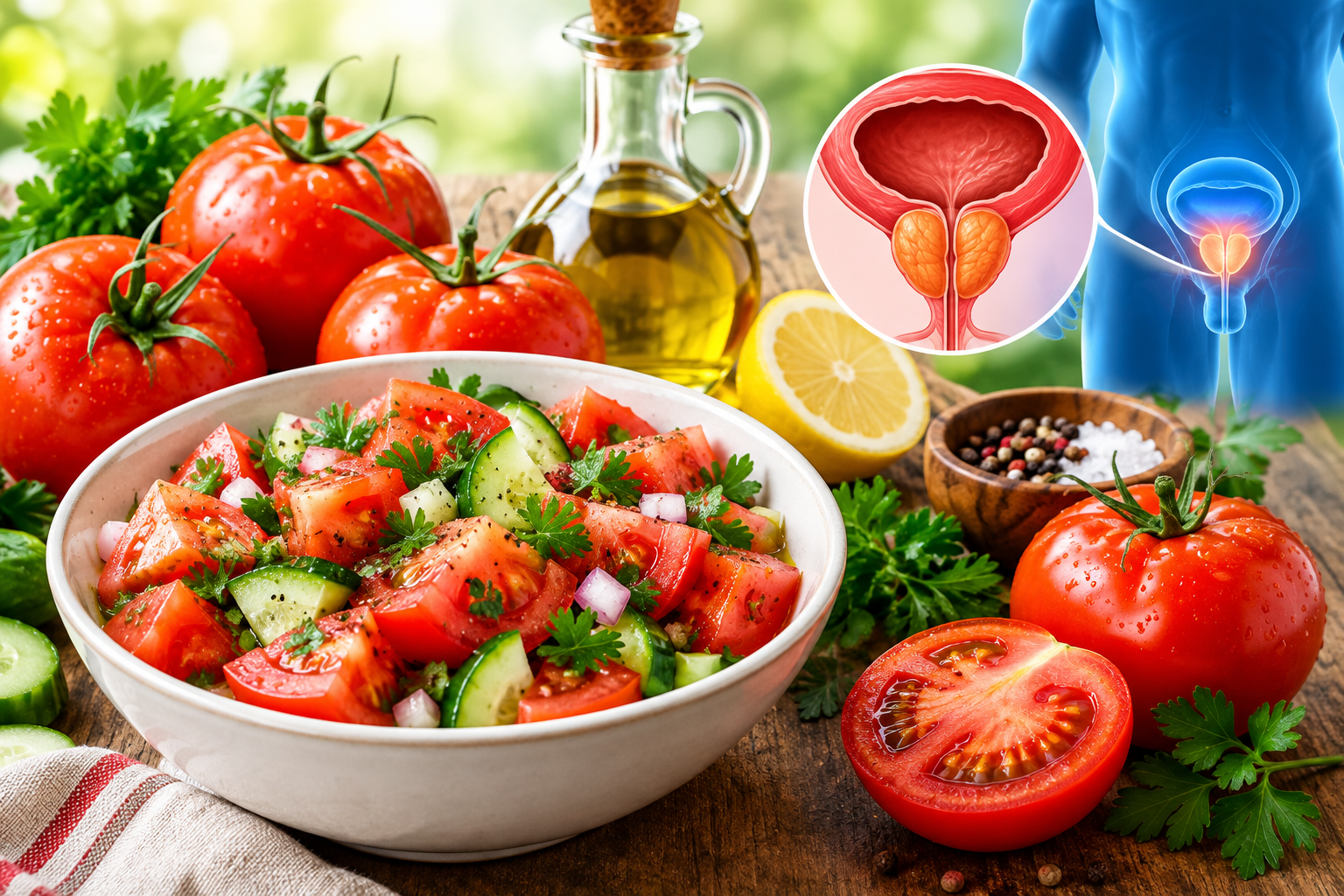
The image highlights the prostate, which is a small gland located below the bladder in people who have a prostate. It contributes fluid to semen.
Tomatoes are often discussed in relation to prostate health because they contain lycopene and other plant compounds.
Some observational research has examined whether diets rich in tomatoes or lycopene are associated with a lower risk of prostate cancer. However, findings have not established that eating one tomato every day prevents prostate cancer or treats an enlarged prostate.
Tomatoes should therefore be considered one component of a varied diet, not a medical treatment.
If you experience frequent urination, difficulty starting urination, a weak urine stream, or repeated nighttime urination, consult a healthcare professional. These symptoms can have several causes and should not be treated with tomato water or other home remedies alone.
Seek urgent medical attention if you are unable to urinate or experience severe urinary symptoms.
Can One Tomato a Day Transform Your Body in Three Weeks?
Eating a tomato daily can be a simple, useful habit, but the dramatic transformation shown in some social-media images is not a realistic or scientifically established result.
During the First Week
Adding a tomato to your meals can increase your intake of vegetables and provide nutrients such as vitamin C and lycopene.
You may enjoy having a fresh, flavorful food available for snacks and meals, but noticeable physical changes are not guaranteed.
During the Second Week
If you consistently include tomatoes in balanced meals, you may be building a more varied and nutritious eating routine.
Any changes in appetite, digestion, or weight will depend on your overall diet, activity level, health, and individual circumstances.
During the Third Week
Continuing a healthy eating pattern can help reinforce useful habits. However, there is no reliable evidence that three weeks of eating tomatoes will automatically reduce belly fat, reveal abdominal muscles, or improve prostate symptoms.
Visible abdominal definition generally depends on muscle development and body-fat levels, which cannot be achieved through one food alone.
The Best Way to Combine Tomatoes with a Healthy Lifestyle
For better overall nutrition, try these practical habits:
- Eat a variety of vegetables and fruits rather than focusing on one food.
- Include protein sources such as eggs, fish, chicken, beans, lentils, or tofu.
- Choose whole grains and other fiber-rich foods regularly.
- Use olive oil and other unsaturated fats in reasonable amounts.
- Drink enough water throughout the day.
- Walk regularly and include strength-building exercise appropriate for your ability.
- Aim for consistent sleep and sustainable eating habits.
- Follow medical advice for any existing health condition.
The goal is not to find a miracle ingredient. It is to create a routine that you can maintain over time.
Tips for Choosing and Storing Tomatoes
- Choose tomatoes that are firm but yield slightly when gently pressed.
- Look for fresh skin without mold or significant damage.
- Store ripe tomatoes at room temperature if you plan to eat them soon.
- Refrigerate fully ripe tomatoes when necessary to extend their shelf life, allowing them to return toward room temperature before serving for better flavor.
- Wash tomatoes under running water before cutting or eating them.
- Keep cut tomatoes refrigerated in a covered container and use them promptly.
- Try different varieties to discover which flavors you enjoy most.
For people with acid reflux or sensitive stomachs, tomatoes may trigger symptoms because they are acidic. Adjust portions according to your tolerance.
Possible Precautions
Tomatoes are safe for most people when consumed as part of an ordinary diet, but a few considerations are worth remembering.
Acid reflux: Tomatoes can worsen symptoms in some people. Avoid them or reduce portions if they consistently trigger discomfort.
Kidney-related dietary restrictions: Tomatoes contain potassium. People who have been advised to restrict potassium because of kidney disease or certain medications should follow their clinician’s individualized guidance.
Allergies: Although uncommon, tomato allergies can occur. Stop eating tomatoes and seek appropriate medical advice if you experience a suspected allergic reaction.
Medication and treatment: Tomato consumption should not replace prescribed treatment for prostate conditions, high blood pressure, diabetes, or other medical problems.
Frequently Asked Questions
Is eating one tomato every day healthy?
For most people, yes. A daily tomato can contribute vitamin C, potassium, water, and lycopene to a varied diet. The amount you need depends on your overall eating pattern and personal circumstances.
Are cooked tomatoes better than raw tomatoes?
Neither is universally better. Raw tomatoes can provide more vitamin C, while cooking can increase the availability of lycopene. Eating both raw and cooked tomatoes is a practical way to enjoy their different nutritional qualities.
Can tomatoes reduce belly fat?
No food specifically targets belly fat. Tomatoes can support weight management because they are relatively low in calories, but body-fat reduction depends on your overall habits and energy balance.
Do tomatoes cure an enlarged prostate?
No. Tomatoes are foods, not treatments for an enlarged prostate. Anyone with urinary symptoms should receive an appropriate medical assessment.
Should I eat tomatoes on an empty stomach?
There is no established requirement to eat tomatoes on an empty stomach to obtain their nutrients. You can enjoy them with meals or at another convenient time. People with acid reflux may prefer to avoid them when they trigger symptoms.
Is homemade tomato juice better than packaged juice?
Homemade juice allows you to control the ingredients and avoid unnecessary added salt or sugar. However, unsalted packaged tomato juice can also be a convenient option. Eating whole tomatoes provides more fiber than drinking strained juice.
Conclusion
Tomatoes are an affordable, flavorful, and nutritious ingredient that deserves a place in a balanced diet. Eating one tomato a day is a simple way to add variety to your meals and obtain nutrients such as vitamin C, potassium, and lycopene.
Although tomatoes may contribute to a healthy eating pattern, they cannot independently guarantee weight loss, visible abdominal muscles, or protection against prostate disease. The most meaningful benefits come from combining nutritious foods with regular activity, adequate rest, and appropriate healthcare.
Start with the easy fresh tomato salad in this article, experiment with cooked tomato recipes, and enjoy the benefits of a varied diet without expecting overnight transformations.