Introduction
A healthy smile begins with good daily habits. Although cavities are among the most common dental problems, taking care of your teeth, choosing nutritious foods, and maintaining a consistent oral hygiene routine can help reduce the risk of tooth decay.
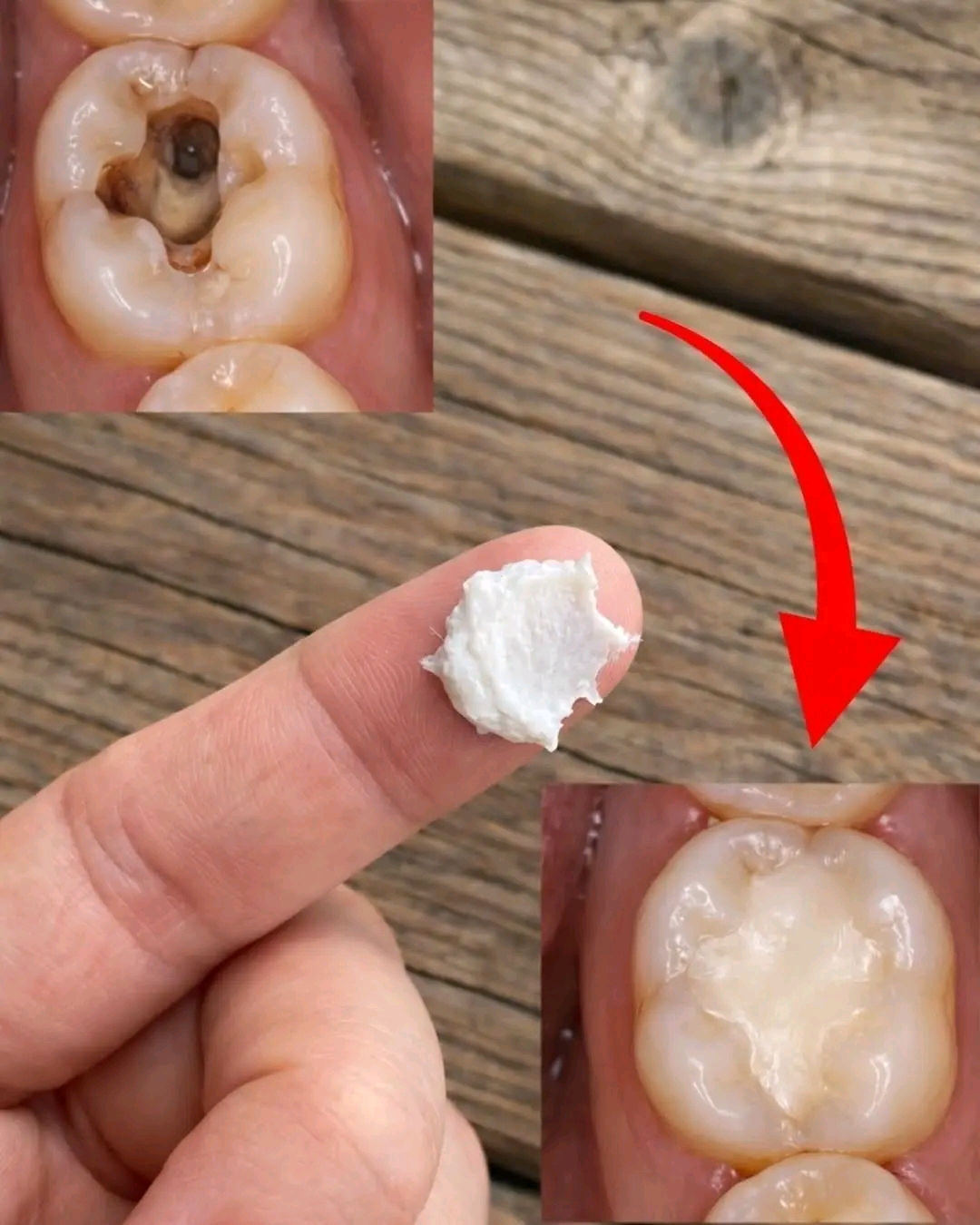
Many people search for natural ways to repair a cavity at home because they want to avoid discomfort, expensive dental treatments, or unnecessary visits to the dentist. Natural approaches can play an important role in protecting teeth, but it is essential to understand the difference between strengthening weakened enamel and repairing a fully developed cavity.
The good news is that very early tooth decay may be reversible. When minerals begin to disappear from the tooth enamel, fluoride, good oral hygiene, and dietary changes may help restore some of those minerals before a hole develops. However, once a cavity has formed, home remedies cannot reliably rebuild the missing tooth structure. Professional dental treatment may be necessary.
This guide explains practical ways to protect your teeth naturally, reduce your risk of cavities, and maintain a healthy smile.
Recipe Information and Preparation Details
Although this is not a food recipe, the following simple daily routine brings together habits that support healthy teeth and gums.
- Routine: Natural oral health and cavity prevention
- Preparation time: Approximately 5–10 minutes daily, excluding meals
- Main focus: Enamel protection, plaque removal, and prevention of tooth decay
- Suitable for: Adults and children with age-appropriate adjustments
- Main ingredients: A soft toothbrush, fluoride toothpaste, dental floss, water, and nutritious foods
- Important note: This routine supports prevention and early enamel care; it does not replace treatment for an established cavity.
Ingredients for a Tooth-Friendly Routine
1. Fluoride toothpaste
Fluoride helps strengthen tooth enamel and makes teeth more resistant to acid attacks caused by bacteria and sugars. It can also support remineralization when decay is still in its earliest stages.
Choose a toothpaste containing fluoride and use it according to the product instructions.
2. Clean drinking water
Water helps rinse away food particles and supports saliva production. Fluoridated tap water, where available, can provide additional protection against tooth decay.
3. A soft-bristled toothbrush
A soft toothbrush helps remove plaque without unnecessarily irritating the gums or wearing down the teeth when used gently.
4. Dental floss or interdental cleaners
These tools clean between teeth where a toothbrush cannot reach effectively. Removing plaque from these areas helps reduce the risk of cavities between teeth.
5. Calcium-rich foods
Milk, plain yogurt, cheese, and suitable fortified alternatives provide nutrients that support normal tooth and bone health.
6. Phosphorus-containing foods
Eggs, fish, dairy products, beans, and nuts provide phosphorus, a mineral involved in maintaining healthy teeth and bones.
7. Crunchy vegetables and whole fruits
Carrots, cucumbers, apples, and other whole plant foods can be part of a balanced diet. However, they do not replace brushing or flossing, and frequent exposure to acidic fruits may affect enamel.
8. Foods low in added sugar
Reducing sweets, sugary drinks, and frequent sugary snacks helps limit the fuel available to cavity-causing bacteria.
Instructions: How to Care for Your Teeth Naturally
Step 1: Brush your teeth twice daily
Brush in the morning and before going to bed using fluoride toothpaste. Spend about two minutes brushing all tooth surfaces, including the gumline and the back teeth.
Use gentle circular or short strokes rather than scrubbing aggressively.
For children, use an age-appropriate amount of toothpaste and supervise brushing as recommended by their dentist.
Step 2: Clean between your teeth every day
Floss once daily or use an appropriate interdental cleaner. Carefully clean between each tooth without snapping the floss into the gums.
This habit removes plaque and trapped food that may contribute to decay in hard-to-reach areas.
Step 3: Drink water regularly
Choose water instead of soda, sweetened juices, and energy drinks whenever possible.
Water helps rinse the mouth and supports normal saliva production. Saliva is important because it helps neutralize acids and supplies minerals that contribute to enamel repair.
Step 4: Reduce frequent sugar exposure
Cavity-causing bacteria use sugars to produce acids that weaken enamel. Frequent snacking on sweets can keep teeth exposed to these acids throughout the day.
Try to enjoy sugary foods less often, preferably with meals rather than repeatedly between meals.
Step 5: Choose balanced meals
Include vegetables, whole grains, protein sources, and calcium-containing foods in your regular diet.
A balanced diet supports general health and provides nutrients needed for the normal maintenance of teeth and gums.
Step 6: Use fluoride appropriately
Fluoride toothpaste is one of the best-supported methods for preventing cavities and helping early enamel damage recover.
After brushing, spit out the excess toothpaste rather than swallowing it. Follow your dentist’s advice about rinsing and additional fluoride products.
Step 7: Arrange regular dental examinations
Dental professionals can identify early decay, examine areas that are difficult to see, and recommend treatments before a small problem becomes more serious.
The appropriate examination schedule depends on your age, cavity risk, symptoms, and dental history.
Methods That May Help Strengthen Early Tooth Enamel
Method 1: Remineralization with fluoride
Tooth enamel continually loses and gains minerals. When acids remove minerals from enamel, the process is called demineralization. Remineralization occurs when minerals are deposited back into weakened enamel.
Fluoride helps this process and improves enamel resistance to acid.
This approach is most useful for early, non-cavitated lesions, where the enamel surface has not yet broken down into a hole.
Method 2: Encourage healthy saliva production
Saliva naturally protects teeth by washing away food particles, buffering acids, and supplying minerals.
Drinking enough water and chewing sugar-free gum after meals, if appropriate, may help stimulate saliva. Sugar-free gum containing xylitol is an option for some people, although it should not be considered a cure for cavities.
Persistent dry mouth should be discussed with a healthcare professional because it can increase the risk of tooth decay.
Method 3: Reduce acidic drinks
Frequent consumption of soda, sports drinks, and acidic beverages can contribute to enamel erosion.
If you consume acidic drinks, avoid sipping them over long periods. Drinking water afterward can help clear the mouth, and waiting around 30–60 minutes before brushing can reduce the risk of brushing softened enamel.
Method 4: Consider professional preventive treatments
Depending on your cavity risk, a dentist may recommend fluoride varnish, prescription-strength fluoride products, or dental sealants.
These treatments can help protect vulnerable teeth and may be particularly useful for children and people who develop cavities frequently.
Method 5: Avoid unproven home remedies
Some popular online suggestions claim that garlic, onion, lemon juice, baking soda, coconut oil, or other household ingredients can rebuild a damaged tooth.
There is no reliable evidence that these ingredients can restore a tooth once a cavity has formed. Lemon juice and other acidic substances can damage enamel, while abrasive powders may cause additional wear if used improperly.
Use evidence-based dental care instead of relying on household mixtures.
History: How People Have Cared for Their Teeth
People have attempted to clean and protect their teeth for thousands of years. Historical methods included chewing sticks, fibrous plant materials, and various tooth powders.
Over time, dentistry developed a better understanding of plaque, bacteria, tooth decay, and the importance of preventive care.
The discovery of fluoride’s role in reducing tooth decay was a major advance in dental health. Modern toothpaste, professional cleanings, dental sealants, and restorative treatments have made it easier to prevent and manage cavities.
Traditional practices may offer interesting historical insights, but not every old remedy is safe or effective. Today’s recommendations are based on scientific evidence about enamel, bacteria, and the causes of dental disease.
Benefits of Following a Tooth-Friendly Routine
1. Helps prevent cavities
Consistent brushing with fluoride toothpaste, daily cleaning between teeth, and limiting frequent sugar exposure can reduce the risk of tooth decay.
2. Supports enamel remineralization
Fluoride and saliva can help restore minerals to enamel during the early stages of decay, before a cavity forms.
3. Promotes healthier gums
Removing plaque regularly can help prevent gingivitis, which causes gum redness, swelling, and bleeding.
4. Helps maintain fresh breath
Brushing the tongue, cleaning between teeth, and maintaining healthy gums can help reduce unpleasant breath caused by accumulated bacteria and debris.
5. May reduce future dental expenses
Preventive care and early detection can reduce the likelihood of needing more extensive treatment later.
6. Supports overall well-being
Healthy teeth make it easier to chew food comfortably, speak clearly, and maintain confidence in your smile.
Understanding the Formation of a Cavity
A cavity generally develops through a gradual process.
- Plaque accumulates: Bacteria form a sticky layer on the surface of the teeth.
- Bacteria produce acids: When these bacteria use sugars from food and drinks, they release acids.
- Minerals leave the enamel: Repeated acid exposure causes mineral loss.
- An early lesion develops: A white or chalky spot may appear, sometimes before pain begins.
- A hole may form: If the damage progresses and the enamel surface breaks down, a permanent cavity can develop.
The early stages may be reversible with appropriate care, but a formed cavity generally requires professional evaluation and often restorative treatment.
Cavities can develop without obvious symptoms, so the absence of toothache does not guarantee that your teeth are healthy.
Signs That You May Have Tooth Decay
Pay attention to the following signs:
- White, chalky spots on the teeth.
- Brown or black discoloration.
- Sensitivity to cold, heat, or sweet foods.
- Pain when biting or chewing.
- Food repeatedly getting trapped in one particular area.
- A visible hole or rough area in a tooth.
- Persistent toothache or discomfort.
These signs do not always mean that you have a cavity, but they deserve attention. A dentist can determine the cause and recommend suitable treatment.
Seek urgent dental care if you have significant swelling, fever, worsening pain, or pus. Facial or neck swelling accompanied by difficulty breathing or swallowing requires emergency medical attention.
Foods to Enjoy and Foods to Limit
Tooth-friendly choices
- Plain milk and unsweetened yogurt.
- Cheese.
- Leafy green vegetables.
- Eggs, fish, beans, and other protein sources.
- Nuts, where safe and appropriate.
- Fresh vegetables and whole fruits.
- Water.
Foods and drinks to limit
- Sugary soft drinks.
- Frequent sweets and sticky candies.
- Sweetened tea and coffee.
- Repeated sugary snacks throughout the day.
- Frequent acidic beverages.
- Sugary foods eaten repeatedly before bedtime.
You do not need to eliminate every sweet food. The goal is to reduce how often your teeth are exposed to sugar and acids while maintaining a balanced diet.
Important Tips for Protecting Your Smile
- Replace your toothbrush when the bristles become worn, usually every three to four months.
- Do not share toothbrushes.
- Avoid brushing aggressively.
- Do not use lemon juice, vinegar, or other acids to clean your teeth.
- Do not place aspirin directly on a painful tooth or gum.
- Avoid attempting to scrape or drill a cavity yourself.
- Do not delay dental care because a home remedy temporarily reduces discomfort.
- Ask your dentist about preventive treatments if you develop cavities frequently.
If dental treatment is expensive or difficult to access, consider a public dental clinic, a university dental clinic, or a community service that offers lower-cost care.
Conclusion
Protecting your teeth naturally starts with simple, consistent habits: brushing twice daily with fluoride toothpaste, cleaning between your teeth, drinking water, eating balanced meals, and limiting frequent sugar exposure.
These steps can help prevent cavities and support the remineralization of enamel when damage is still at an early stage. However, a natural remedy cannot reliably repair a hole that has already formed in a tooth.
The best way to avoid unnecessary dental procedures is to prevent decay, recognize warning signs early, and seek professional advice when a problem develops. Taking care of your teeth today can help preserve your natural smile for years to come.