Introduction
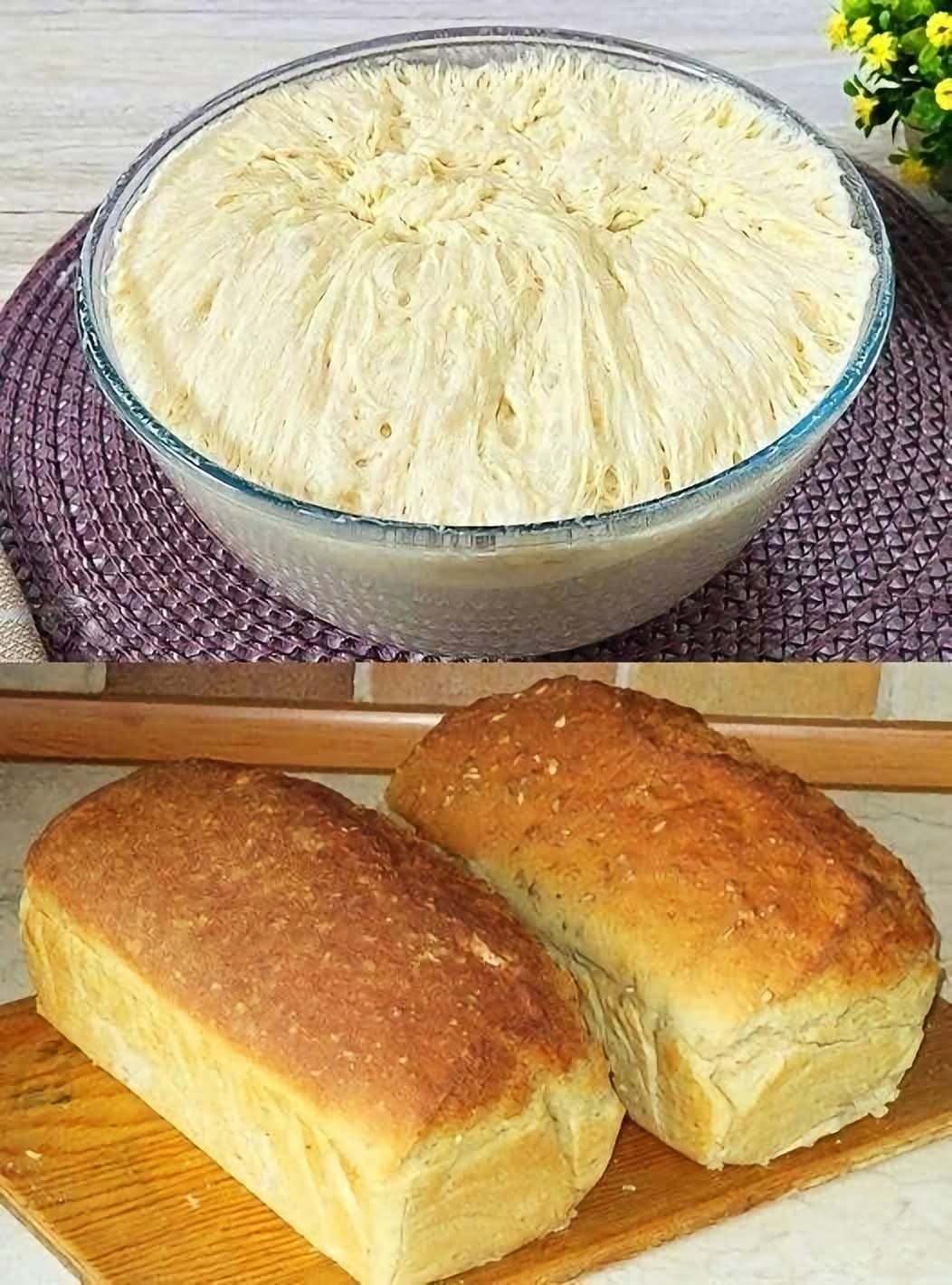
There is nothing quite like the smell of freshly baked bread filling your kitchen! These homemade butter bread rolls are soft, fluffy, golden on the outside, and wonderfully tender on the inside. Made with simple ingredients you probably already have in your kitchen, they are perfect for breakfast, lunch, dinner, or a comforting afternoon snack.
The secret to these delicious rolls is warm milk, a little sugar, active dry yeast, and melted butter. Together, they create a soft dough that rises beautifully and bakes into irresistible homemade bread.
Serve them warm with butter, honey, jam, cheese, or your favorite spread. Once you try these fresh homemade rolls, you may never want to buy bakery bread again!
If you love homemade bread, save this recipe and share it with someone who enjoys baking. ❤️
Ingredients
- 1 cup warm milk
- ½ cup warm water
- 2¼ teaspoons active dry yeast (1 standard packet)
- ¼ cup granulated sugar
- 2 tablespoons butter, melted
- 1 teaspoon salt
- 4–4½ cups all-purpose flour
- 2 tablespoons melted butter, for brushing the tops
Optional additions:
- 1 tablespoon honey for a slightly sweeter flavor
- 1 tablespoon milk powder for extra richness
- Sesame seeds or poppy seeds for topping
Instructions
Step 1: Activate the Yeast
In a large mixing bowl, combine the warm milk, warm water, sugar, and active dry yeast. Stir gently and let the mixture sit for 5–10 minutes until it becomes foamy.
Make sure the liquid is warm rather than hot. Excessive heat can kill the yeast and prevent the dough from rising.
Step 2: Add the Butter and Salt
Add the melted butter and salt to the yeast mixture. Stir until everything is well combined.
The butter adds richness and helps give the finished bread its soft texture.
Step 3: Make the Dough
Gradually add the flour, one cup at a time, mixing after each addition. Continue adding flour until a soft dough forms.
You may not need all the flour, or you may need a little extra, depending on the humidity and the flour you use. The dough should feel soft and slightly tacky without being excessively sticky.
Step 4: Knead the Dough
Transfer the dough to a lightly floured surface. Knead for approximately 8–10 minutes by hand, or 5–7 minutes using a stand mixer with a dough hook.
The dough should become smooth, elastic, and easy to handle. Proper kneading helps develop the gluten that gives bread its structure.
Step 5: Let the Dough Rise
Place the dough in a lightly greased bowl and turn it once to coat the surface. Cover with a clean kitchen towel or plastic wrap.
Leave it in a warm place for about 60–90 minutes, or until it has doubled in size.
The rising time will depend on the temperature of your kitchen.
Step 6: Shape the Rolls
Gently press the dough to release excess air. Divide it into 12–15 equal pieces.
Shape each piece into a smooth ball by folding the edges underneath and rolling it gently between your hands.
Arrange the dough balls in a greased baking pan, leaving a little space between them so they can expand.
Step 7: Let the Rolls Rise Again
Cover the shaped rolls and let them rest for another 30–45 minutes, until they look puffy and nearly doubled in size.
This second rise helps create a light, airy interior.
Step 8: Bake Until Golden
Preheat your oven to 375°F (190°C).
Bake the rolls for approximately 18–25 minutes, or until the tops are golden brown and the centers are fully baked.
If the tops brown too quickly, loosely cover them with aluminum foil for the remaining baking time.
Step 9: Brush With Butter
As soon as the rolls come out of the oven, brush their tops generously with melted butter.
This final touch gives them a beautiful shine, a delicious buttery aroma, and a softer crust.
Step 10: Serve Warm
Allow the rolls to cool for about 5–10 minutes before serving. Break one open and enjoy the soft, fluffy center while it is still warm.
Add a little extra butter, drizzle with honey, or serve alongside your favorite meal.
Methods
Traditional hand-kneading method: Mix the ingredients in a large bowl, knead by hand until smooth, and allow the dough to rise twice before baking.
Stand mixer method: Use a dough hook to mix and knead the dough until elastic. This saves effort while producing a consistent texture.
Overnight preparation method: After kneading, cover the dough and refrigerate it overnight. The next day, let it warm slightly, shape the rolls, allow them to rise, and bake as directed. Rising times may vary.
Freezing method: Once completely cooled, place the rolls in a freezer-safe bag or airtight container. Freeze for up to 2–3 months for best quality. Thaw and warm in the oven before serving.
The History of Homemade Bread
Bread has been an important part of human food traditions for thousands of years. Early breads were simple mixtures of flour and water, cooked over hot stones or in basic ovens.
As baking techniques developed, people learned to use yeast to produce lighter, softer loaves. Milk, butter, and sugar later became popular additions in many enriched bread recipes, especially in European and American baking traditions.
Soft dinner rolls became a favorite at family meals, holiday gatherings, restaurants, and bakeries. Today, homemade butter rolls remain popular because they combine simple ingredients with the comforting taste and aroma of freshly baked bread.
This recipe brings that traditional baking experience into your own kitchen.
Benefits of Homemade Butter Rolls
1. Simple ingredients
You can prepare these rolls with everyday pantry staples and control exactly what goes into your dough.
2. Freshly baked flavor
Fresh bread has a wonderful aroma and a soft texture that can be difficult to recreate with packaged rolls.
3. Versatile serving options
Enjoy them with breakfast, sandwiches, soups, salads, roasted chicken, or family dinners.
4. Customizable recipe
Adjust the sweetness, add herbs, sprinkle seeds on top, or serve the rolls with sweet or savory fillings.
5. A rewarding baking experience
Making bread at home can be an enjoyable activity for families and anyone who loves learning traditional kitchen skills.
6. Energy from carbohydrates
Flour provides carbohydrates, which are an important source of energy. Milk and butter also contribute nutrients and fat. These rolls are best enjoyed as part of a varied, balanced diet.
Nutritional Information
The following values are approximate for one roll when the recipe makes 15 rolls, including the butter brushed on top. Actual values vary with ingredient brands and portion size.
- Calories: approximately 150–180
- Carbohydrates: approximately 25–30 g
- Protein: approximately 4–5 g
- Fat: approximately 3–5 g
- Fiber: approximately 1 g
These estimates are for general guidance, not a laboratory nutritional analysis.
Tips for Perfect Homemade Bread
- Use warm liquids: Aim for approximately 100–110°F (38–43°C) when activating active dry yeast.
- Check your yeast: If the mixture does not become foamy after 10 minutes, the yeast may be inactive.
- Avoid adding too much flour: A slightly tacky dough usually produces softer rolls.
- Give the dough enough time: Let it rise until visibly doubled rather than relying only on the clock.
- Do not overbake: Remove the rolls when golden and fully baked.
- Brush with butter immediately: This creates a lovely buttery finish and helps soften the crust.
- Store properly: Keep cooled rolls in an airtight container at room temperature for about 2–3 days.
Frequently Asked Questions
Can I use instant yeast instead of active dry yeast?
Yes. You can generally use the same amount of instant yeast. Mix it directly with the flour or follow the instructions on your yeast package.
Why are my bread rolls dense?
Common reasons include inactive yeast, adding too much flour, insufficient kneading, or not allowing the dough enough time to rise.
Can I make these rolls without milk?
Yes. Unsweetened, unflavored plant-based milk can be substituted. Water also works, although the flavor and texture may be less rich.
Can I make the dough ahead of time?
Yes. Refrigerating the dough overnight can be convenient and may develop additional flavor. Keep it covered and allow sufficient time for shaping and the final rise.
How do I reheat the rolls?
Warm them in an oven at 300°F (150°C) for approximately 5–8 minutes. Cover loosely with foil if needed to prevent excessive browning.
Conclusion
These homemade butter bread rolls are soft, fluffy, golden, and full of comforting homemade flavor. With simple ingredients and a little patience, you can create bakery-style bread right in your own kitchen.
Whether you serve them for breakfast, alongside dinner, or as a warm afternoon treat, they are sure to become a favorite. The finishing touch of melted butter makes every bite even more delicious!
Bake a batch, share them with your family, and enjoy the wonderful taste of fresh homemade bread.