Introduction
Have you ever noticed a beautiful green plant growing in a garden and wondered whether it has a special history? 🌱 Some plants have been used in traditional herbal practices for generations, and the plant commonly known as the miracle leaf is one of them.
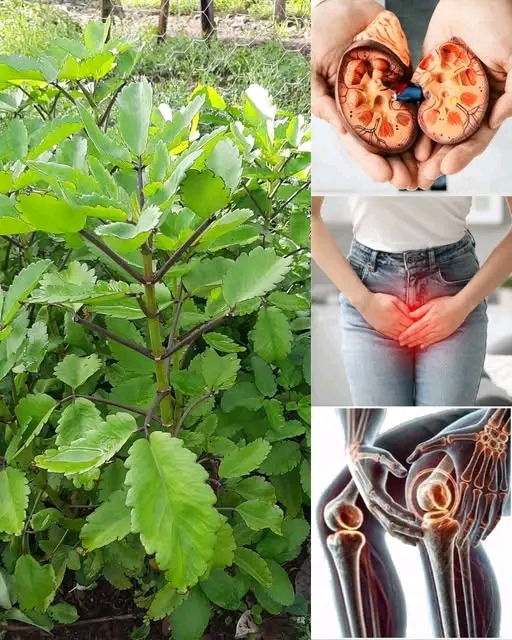
Kalanchoe pinnata, also called the leaf of life or cathedral bells, is a succulent plant recognized by its fleshy green leaves. In some traditional cultures, people have used different parts of this plant in home remedies.
But there is something important to understand: traditional use does not automatically mean that a remedy is safe or scientifically proven. Claims that this plant can cure kidney disease, urinary infections, joint problems, or other medical conditions have not been established by strong clinical evidence.
In this guide, we will explore the plant’s history, identification, traditional uses, potential benefits, and how to grow it at home.
Ingredients and Materials
This is a plant-growing and educational guide, not a recipe for drinking or applying an herbal remedy.
You will need:
- One correctly identified Kalanchoe pinnata plant
- A suitable flowerpot with drainage holes
- Well-draining potting soil suitable for succulents
- A bright location with suitable indirect sunlight
- A small watering can
- Gardening gloves, if needed
Important: Do not prepare this plant as tea, juice, or medicine without guidance from a qualified healthcare professional. Some Kalanchoe species contain compounds that can be toxic, and their safety for human consumption is not well established.
Instructions: How to Grow the Plant
- Choose a suitable location. Place the plant somewhere bright with indirect sunlight. Gradually introduce it to stronger sunlight if appropriate for your climate.
- Prepare the pot. Select a container with drainage holes so excess water can escape.
- Use well-draining soil. Succulents generally do better in soil that does not remain waterlogged.
- Water carefully. Allow the soil to dry appropriately between waterings. Excessive moisture can cause root rot.
- Monitor the leaves. Check regularly for pests, discoloration, and signs of overwatering.
- Keep it away from pets and children. Some Kalanchoe plants can be toxic if eaten.
Methods: Understanding the Plant
Kalanchoe pinnata is a succulent, meaning it stores water in its fleshy tissues. Its leaves are often thick, green, and scalloped around the edges.
The plant can sometimes produce small plantlets along the edges of mature leaves. These plantlets may eventually develop roots and grow into new plants.
Because several plants have similar leaves, it is important to confirm the species before discussing its traditional uses. A photograph by itself is not enough to establish a reliable identification.
History of the Miracle Leaf
Kalanchoe pinnata has a long history in traditional herbal practices in parts of Africa, Asia, the Caribbean, and Latin America.
Depending on the region, it has been used in folk preparations for various complaints. Researchers have also investigated extracts of the plant in laboratory and animal studies.
However, traditional knowledge, laboratory experiments, and proven treatments in humans are different categories of evidence. Findings from laboratory studies do not establish that eating the leaves or drinking their extracts will treat a medical condition.
Potential Benefits: What Do We Know?
1. An attractive garden plant
The plant’s fleshy leaves and distinctive growth make it an interesting addition to suitable gardens and containers.
2. Easy propagation
Some plants produce small plantlets along their leaf margins, making propagation an interesting gardening project.
3. Traditional botanical importance
The plant is part of the traditional herbal knowledge of several communities. Studying this history can help researchers understand which plants may deserve further scientific investigation.
4. Scientific research
Researchers have investigated compounds from Kalanchoe plants for various biological effects. Much of this research remains preliminary, and more reliable human studies are needed before medical benefits can be confirmed.
5. A reason to learn about medicinal plants
Learning how to identify plants and distinguish traditional claims from scientific evidence can help people make safer decisions about herbal products.
What about the kidneys, urinary tract, and joints?
There is not enough strong clinical evidence to recommend Kalanchoe pinnata for kidney disease, kidney stones, urinary infections, or joint disorders. It should not replace prescribed medication or professional medical assessment.
Preparation: A Safe Way to Enjoy This Plant
Instead of preparing a homemade remedy for consumption, consider using the plant as an ornamental gardening project.
- Choose a suitable pot and well-draining soil.
- Place the plant in an appropriate light environment.
- Water according to the soil’s moisture and growing conditions.
- Observe its leaf shape and growth pattern.
- Take photographs as the plant develops.
- Keep it away from areas where children or pets might chew the leaves.
Do not apply homemade preparations to the eyes, intimate areas, broken skin, or other sensitive tissues. Do not assume that a natural ingredient is harmless.
Important Safety Information
If you have kidney problems, urinary symptoms, or persistent joint pain, consult a qualified healthcare professional rather than relying on an unproven herbal remedy.
Painful urination, blood in the urine, fever, severe back or side pain, or difficulty passing urine may require prompt medical attention.
If you suspect that you have eaten a potentially toxic plant, contact a local poison-information service or seek medical advice promptly.
Conclusion
The miracle leaf plant is an interesting succulent with a rich history in traditional herbal practices and distinctive gardening characteristics.
Although it is sometimes promoted online as a cure for many illnesses, its medical effectiveness and safety have not been established sufficiently to support those claims.
The best approach is to appreciate the plant, learn to identify it correctly, understand its traditional history, and avoid unsafe homemade remedies.
Remember: natural does not always mean safe, and a traditional remedy is not a substitute for proven medical care.