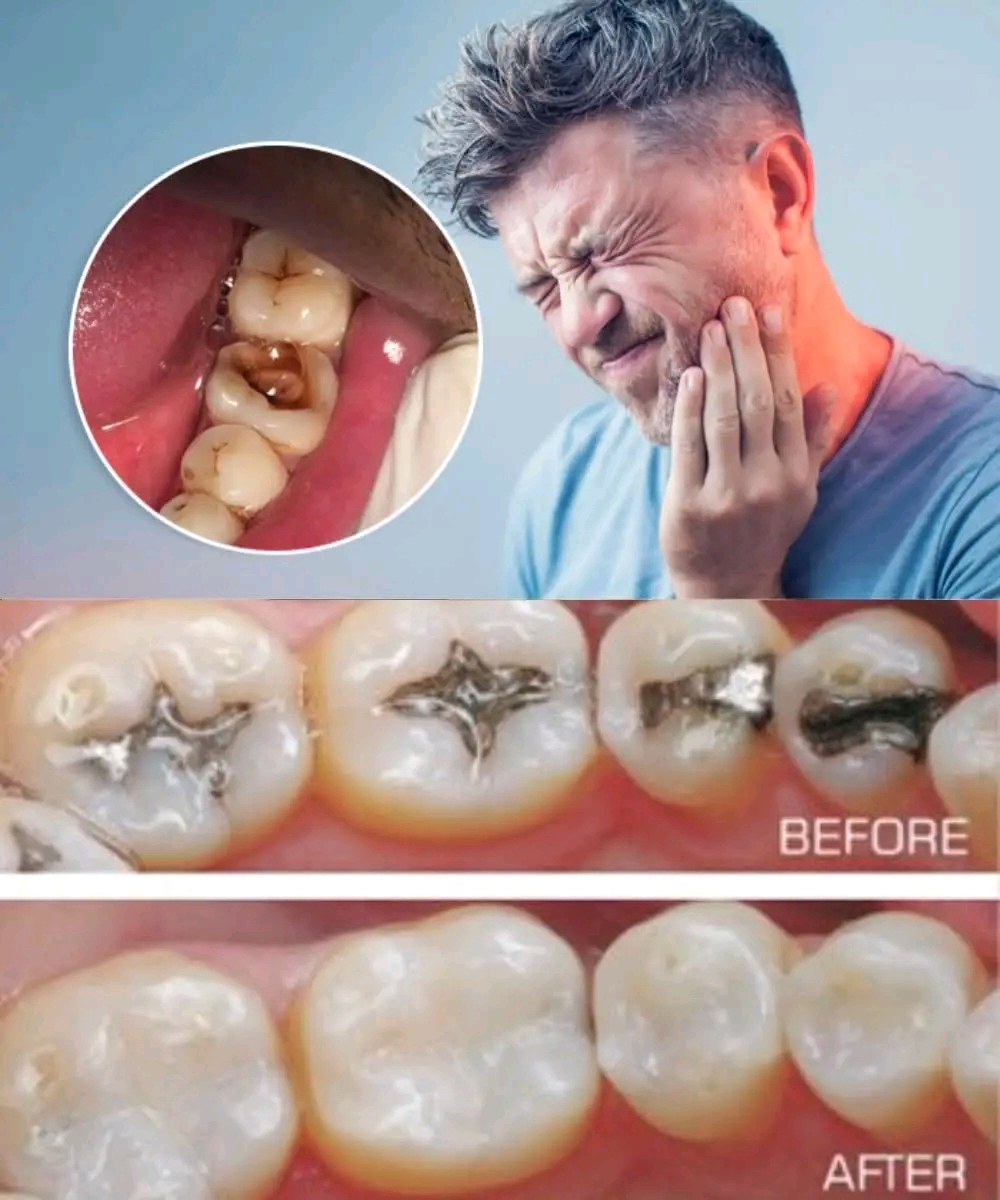
Honest note: no natural recipe can refill a cavity that has already formed. This routine prevents new decay and helps repair the earliest stage (white spots). A dentist is needed for actual holes.
Introduction
Enamel is the hardest tissue in your body, but acid wears it down. Your mouth constantly swings between losing minerals (demineralization) and regaining them (remineralization). This recipe tips the balance toward regaining.
History
- Ancient times: Babylonians and Egyptians used chewing sticks about 5,000 years ago.
- Traditional medicine: Miswak (from the Salvadora persica tree) and neem twigs were used across the Middle East, Africa, and South Asia.
- Oil pulling: An Ayurvedic practice from India, described in old texts.
- 1950s-60s: Fluoride toothpaste spread widely and sharply reduced cavities.
Formation of a Cavity
- Plaque bacteria eat sugar and produce acid.
- Acid pulls calcium and phosphate out of enamel.
- Repeated attacks leave chalky white spots (reversible stage).
- The enamel breaks down into a hole (needs a dentist).
- Decay reaches the nerve, causing pain, infection, and abscess.
Ingredients (Your Daily Toolkit)
- Fluoride toothpaste
- Soft toothbrush and floss
- Water (still, plain)
- Xylitol gum or mints
- Cheese, plain yogurt, milk (calcium and phosphate)
- Crunchy vegetables, apples, carrots, celery
- Unsweetened green tea
- Leafy greens, almonds, sesame seeds (calcium)
- Vitamin D sources: sunlight, eggs, fish
- Optional: miswak stick, coconut or sesame oil
Instructions
- Morning: Brush for 2 minutes with fluoride toothpaste. Spit, but don’t rinse with water, so the fluoride keeps working.
- After meals: Rinse with water or chew xylitol gum for 5-10 minutes.
- Snacks: Choose cheese, nuts, or vegetables. Keep sweets to mealtimes instead of sipping or grazing all day.
- Evening: Floss, then brush for 2 minutes. Eat or drink nothing but water afterward.
- Sunlight and diet: Get calcium and vitamin D regularly.
- Checkups: See a dentist every 6-12 months for cleaning and early detection.
Methods
- Fluoride: The best-proven way to remineralize enamel.
- Xylitol: Reduces cavity-causing bacteria and boosts saliva.
- Oil pulling (optional): Swish 1 tablespoon of oil for 10 minutes, then spit in the trash, not the sink. It may slightly reduce plaque but does not heal cavities.
- Miswak (optional): Chew the tip until bristle-like, then brush gently. Modest evidence for plaque reduction.
- Green tea rinse (optional): Cooled, unsweetened tea may reduce plaque bacteria.
- Avoid: Lemon, vinegar, charcoal, or strong baking-soda scrubs. They can erode enamel. Clove oil only numbs pain temporarily.
Benefits
- Fewer cavities and less sensitivity
- Stronger enamel and healthier gums
- Fresher breath
- Less pain and lower dental bills
- Better overall health (gum disease is linked to heart and blood sugar problems)
Who Loves It (Who It’s For)
- Sweet lovers and coffee, tea, or soda drinkers
- Parents who want to protect their children’s teeth
- Seniors with dry mouth or receding gums
- People who prefer gentle, natural, low-cost habits
- Anyone with white spots or early enamel wear
Conclusion
Strong teeth come from consistent small habits: fluoride, less frequent sugar, good saliva flow, and regular checkups. Natural extras can support this routine but can’t replace it. If you have a toothache, dark spot, or visible hole, see a dentist rather than waiting for a home remedy.