Introduction
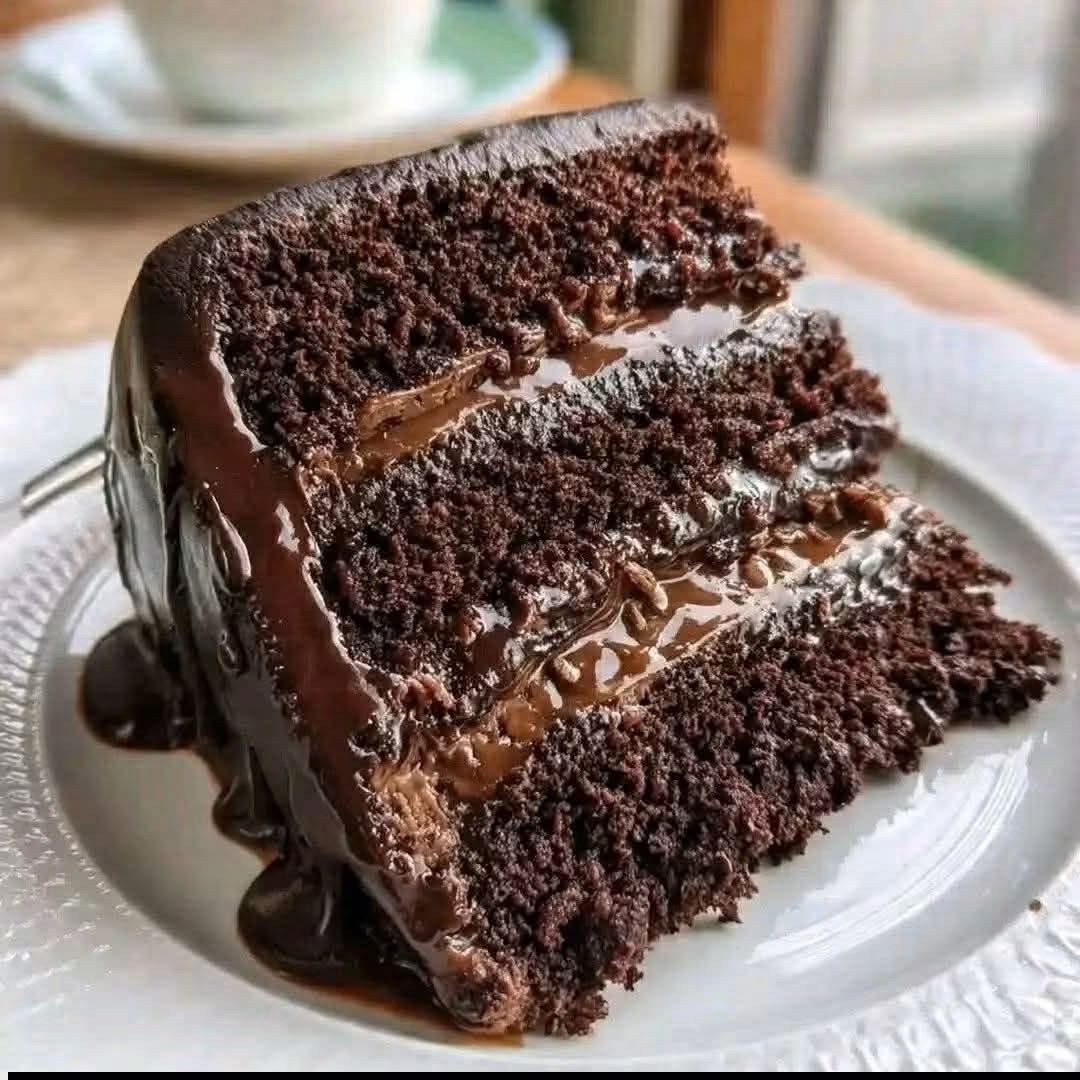
Chocolate Fudge Cake is a rich, moist, and deeply chocolatey dessert made for serious chocolate lovers. Unlike a light chocolate sponge, a fudge cake has a soft, dense, tender crumb with an intense cocoa flavor and a luxurious chocolate frosting.
This recipe begins with a classic chocolate cake made from flour, sugar, cocoa powder, eggs, oil, and other baking ingredients. A hot liquid is added to help bloom the cocoa and create an especially moist texture. Once baked and cooled, the cake can be covered with a smooth chocolate fudge frosting or ganache.
It is perfect for birthdays, celebrations, afternoon tea, family gatherings, holidays, or whenever you want an impressive homemade chocolate dessert.
Ingredients
Chocolate Cake
- 3 cups all-purpose flour (375 g)
- 2½ cups granulated sugar (500 g)
- 1 cup unsweetened cocoa powder (100 g)
- 2½ teaspoons baking powder
- 2 teaspoons baking soda
- 1 teaspoon salt
- 1 cup vegetable oil (240 ml)
- 3 large eggs
- 1½ cups buttermilk (360 ml)
- 2 teaspoons vanilla extract
- 1½ cups hot coffee or hot water (360 ml)
Optional Chocolate Flavoring
- ½ teaspoon instant espresso powder
- ½ teaspoon chocolate extract, optional
Chocolate Fudge Frosting
- 1 cup unsalted butter (225 g), softened
- 4 cups powdered sugar (about 480 g)
- ¾ cup unsweetened cocoa powder (75 g)
- ½ cup heavy cream or milk (120 ml)
- 2 teaspoons vanilla extract
- ¼ teaspoon salt
- 6 oz (170 g) melted semisweet chocolate, cooled slightly
Optional Decorations
- Chocolate shavings
- Chocolate curls
- Mini chocolate chips
- Chopped toasted nuts
- Fresh strawberries or raspberries
- Cocoa powder
- Powdered sugar
Equipment
- Two 9-inch round cake pans
- Mixing bowls
- Electric hand mixer or stand mixer
- Whisk
- Rubber spatula
- Measuring cups and spoons
- Cake leveler or serrated knife
- Cooling rack
- Parchment paper
Preparation Method
Step 1: Prepare the Oven and Cake Pans
Preheat the oven to 350°F (175°C).
Grease two 9-inch round cake pans.
Place parchment paper on the bottoms of the pans and lightly grease the parchment.
This makes removing the cakes much easier after baking.
Step 2: Prepare the Dry Ingredients
In a large mixing bowl, combine:
- Flour
- Sugar
- Cocoa powder
- Baking powder
- Baking soda
- Salt
Whisk everything together until evenly distributed.
Breaking up lumps in the cocoa powder at this stage helps create a smoother batter.
Step 3: Prepare the Wet Ingredients
In another bowl, whisk together:
- Vegetable oil
- Eggs
- Buttermilk
- Vanilla extract
Mix until the ingredients are well combined.
The oil helps keep the cake moist, while the buttermilk contributes tenderness and a slight tang that balances the sweetness.
Step 4: Combine the Batter
Gradually add the wet ingredients to the dry ingredients.
Mix gently until just combined.
Do not worry if the batter is relatively thick at this stage.
Step 5: Add the Hot Coffee or Water
Slowly pour the hot coffee or hot water into the batter while mixing gently.
The batter will become much thinner than a typical cake batter. This is normal.
If using coffee, it does not necessarily make the cake taste like coffee. Instead, it can intensify the chocolate flavor.
The hot liquid also helps hydrate and bloom the cocoa powder.
Step 6: Divide the Batter
Divide the batter evenly between the prepared cake pans.
Gently tap the pans against the countertop once or twice to release large air bubbles.
Step 7: Bake
Place the pans in the preheated oven.
Bake for approximately 30–35 minutes, or until a toothpick inserted into the center comes out with a few moist crumbs.
Avoid overbaking because this can make the cake dry.
Step 8: Cool the Cakes
Remove the cakes from the oven.
Allow them to cool in their pans for approximately 10–15 minutes.
Then carefully turn them onto a cooling rack.
Allow the layers to cool completely before frosting.
A completely cooled cake is much easier to decorate and prevents the frosting from melting.
Chocolate Fudge Frosting
Step 9: Melt the Chocolate
Melt the semisweet chocolate gently in a microwave or over a double boiler.
If using a microwave, heat it in short intervals and stir between each interval.
Allow the chocolate to cool slightly before adding it to the frosting.
Step 10: Beat the Butter
Place the softened butter in a large bowl.
Beat for approximately 2–3 minutes until smooth and creamy.
Step 11: Add Cocoa and Powdered Sugar
Add the cocoa powder and powdered sugar gradually.
Mix on low speed initially to prevent the dry ingredients from flying out of the bowl.
Add the heavy cream or milk a little at a time.
Step 12: Add Chocolate
Pour the melted, slightly cooled chocolate into the frosting.
Add vanilla extract and salt.
Beat the frosting for another 2–3 minutes until smooth, fluffy, and spreadable.
If the frosting is too thick, add a small amount of cream or milk.
If it is too thin, add a little more powdered sugar.
Cake Formation and Assembly
Step 13: Level the Cake
Place the first cake layer on a cake board or serving plate.
If the top is domed, carefully trim it with a serrated knife to create an even surface.
Step 14: Add the First Layer of Frosting
Spread a generous layer of chocolate fudge frosting over the first cake layer.
Spread it evenly from the center toward the edges.
Step 15: Add the Second Cake Layer
Place the second cake layer on top.
Press very gently so that the layers settle without squeezing out too much frosting.
Step 16: Apply the Crumb Coat
Spread a thin layer of frosting around the entire cake.
This is called a crumb coat and helps trap loose cake crumbs.
Refrigerate the cake for approximately 20–30 minutes.
Step 17: Apply the Final Frosting
Cover the cake with the remaining chocolate fudge frosting.
Smooth the sides and top using an offset spatula or cake scraper.
You can keep the surface smooth or create decorative swirls.
Optional Chocolate Ganache Finish
For an even more luxurious cake, prepare a simple ganache.
Ingredients
- 4 oz (115 g) semisweet chocolate
- ½ cup (120 ml) heavy cream
Heat the cream until hot but not boiling.
Pour it over the chocolate.
Let it stand for approximately 2 minutes.
Stir until smooth and glossy.
Allow it to cool until slightly thickened.
Drizzle it over the top of the frosted cake and allow some ganache to gently drip down the sides.
Decoration Method
Decorate the finished cake with any combination of:
- Chocolate curls
- Chocolate shavings
- Mini chocolate chips
- Cocoa powder
- Toasted hazelnuts
- Toasted pecans
- Fresh berries
- Whipped cream
For a classic appearance, keep the cake completely chocolate and finish it with chocolate curls.
History of Chocolate Cake
Chocolate cake has a long history connected to the development and increasing availability of cocoa and chocolate in baking.
Early chocolate cakes were generally quite different from today’s rich layer cakes. As cocoa became more widely available, bakers increasingly incorporated it into cakes, creating the chocolate desserts that became popular in Europe and North America.
Fudge-style chocolate cakes developed alongside the popularity of chocolate fudge and rich chocolate frostings. Modern chocolate fudge cake combines these traditions by pairing a moist cocoa cake with a dense, creamy chocolate topping.
Today, chocolate cake is one of the most recognizable celebration desserts around the world.
Why This Cake Is So Moist
Several ingredients contribute to the cake’s texture.
Vegetable oil
Oil remains liquid at room temperature and helps produce a soft, moist crumb.
Buttermilk
Buttermilk contributes moisture and acidity. Its acidity also works with baking soda to help the cake rise.
Eggs
Eggs provide structure, richness, and emulsification.
Hot coffee or water
Hot liquid helps dissolve and bloom the cocoa powder, intensifying its chocolate flavor.
Sugar
Sugar contributes sweetness while also helping retain moisture.
The result is a cake that stays soft and tender rather than becoming dry and crumbly.
Benefits and Nutritional Considerations
Chocolate Fudge Cake is primarily a dessert and indulgent treat, so it is best enjoyed in moderate portions.
Some ingredients do provide useful nutrients:
- Eggs provide protein and several vitamins and minerals.
- Cocoa powder contains naturally occurring minerals and cocoa compounds.
- Milk or buttermilk contributes protein and calcium.
- Chocolate contains cocoa compounds, although chocolate cake also contains significant sugar and fat.
Because this recipe contains sugar, oil, butter, chocolate, and powdered sugar, it should not be considered a health food. Its main benefit is enjoyment and its role as a celebratory or social dessert.
Tips for Chocolate Lovers
For an especially intense chocolate flavor, use good-quality unsweetened cocoa powder and semisweet or dark chocolate.
Adding a small amount of espresso powder can deepen the chocolate flavor without making the cake strongly coffee-flavored.
For an extra-fudgy texture, avoid overbaking the cake.
For a softer cake, allow the frosted cake to rest for several hours before serving. The frosting will have time to settle into the cake layers.
Serving Suggestions
Cut the cake into generous but manageable slices.
Serve it with:
- Vanilla ice cream
- Whipped cream
- Fresh strawberries
- Raspberries
- Chocolate sauce
- Caramel sauce
- A cup of coffee
- Hot chocolate
- Cold milk
For a special celebration, add a scoop of vanilla ice cream beside each slice and drizzle the plate with chocolate sauce.
Storage
Store the frosted cake in an airtight container.
If the frosting contains dairy such as heavy cream or milk, refrigeration is recommended.
The cake can generally be kept refrigerated for approximately 3–5 days.
Allow a refrigerated slice to sit at room temperature for about 15–30 minutes before serving for a softer texture and fuller chocolate flavor.
Freezing Method
The unfrosted cake layers can be frozen.
Wrap each completely cooled layer tightly in plastic wrap and then place it in a freezer-safe bag or container.
Freeze for up to approximately 2–3 months for best quality.
Thaw the layers in the refrigerator before frosting.
Common Mistakes to Avoid
Overbaking
The most common problem with chocolate cake is dryness. Start checking the cake near the end of the recommended baking time.
Using cold ingredients
Room-temperature eggs and buttermilk generally combine more smoothly with the other ingredients.
Overmixing
Once the flour is incorporated, mix only until the batter is combined.
Frosting a warm cake
Warm cake can melt the frosting and make the layers slide.
Always cool the cake completely before decorating.
Adding too much liquid to the frosting
Add milk or cream gradually. It is easier to thin a thick frosting than to rescue frosting that has become too runny.
The Perfect Chocolate Fudge Cake Experience
A perfect bite should contain several textures at once:
soft cake + creamy fudge frosting + rich chocolate flavor + optional silky ganache.
The cake should be moist but not wet, tender but sturdy enough to hold the frosting, and rich without becoming overwhelmingly sweet.
Conclusion
Chocolate Fudge Cake is the ultimate dessert for chocolate lovers. Its moist cocoa cake, creamy fudge frosting, and optional glossy ganache create a rich combination that is perfect for celebrations and special occasions.
The secret to making an excellent cake is simple: measure accurately, avoid overmixing, do not overbake, and allow the cake to cool completely before frosting.
Whether you prepare it for a birthday, holiday, family gathering, dinner party, or simply because you are craving chocolate, this homemade Chocolate Fudge Cake is a beautiful and satisfying dessert.
❤️ For Chocolate Lovers
If you are a true chocolate lover, take this cake one step further: use dark chocolate in the frosting, add a thin layer of chocolate ganache between the cake layers, and finish the top with chocolate curls.