Introduction
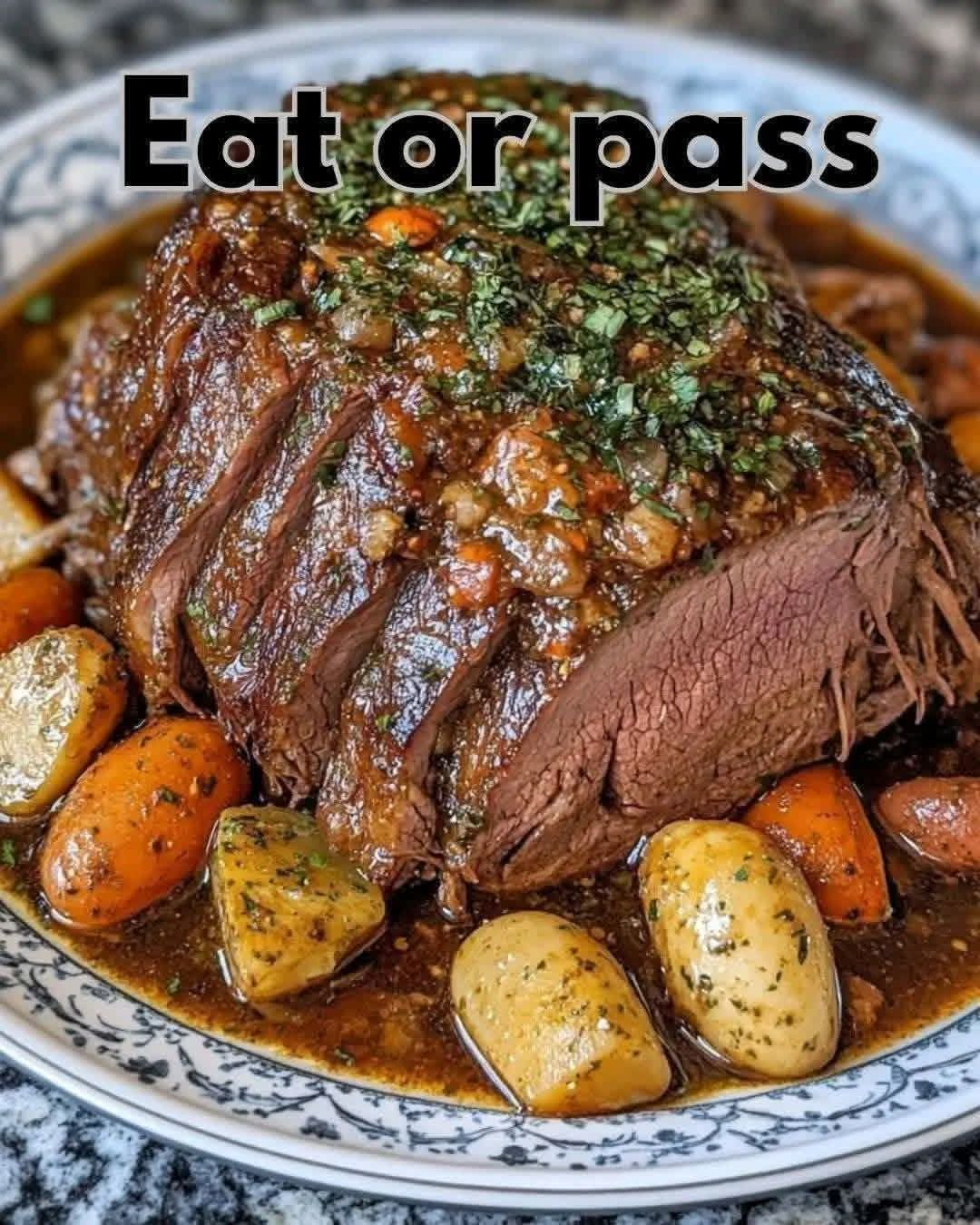
There is nothing quite like a homemade pot roast slowly cooking until the beef becomes incredibly tender, the carrots turn sweet, and the potatoes soak up all those rich, savory flavors. ❤️ This Classic Pot Roast with Carrots and Potatoes is the kind of comforting meal that brings the whole family together around the dinner table.
Made with a beautifully seasoned chuck roast, fresh vegetables, flavorful broth, and a delicious homemade gravy, this hearty recipe is perfect for Sunday dinners, family gatherings, or cozy evenings when you want something warm and satisfying.
The best part? Most of the cooking happens slowly in one pot, allowing the flavors to develop naturally while the beef becomes fork-tender. Serve it straight from the pot, drizzle the rich gravy over everything, and enjoy a traditional home-cooked meal everyone will love!
Would you eat this delicious pot roast with carrots and potatoes? Comment YES if you would! 😍
Ingredients
For the Pot Roast
- 3–4 lb chuck roast (approximately 1.4–1.8 kg)
- 1 tablespoon olive oil
- 1 teaspoon salt, or to taste
- 1 teaspoon freshly ground black pepper
- 1 teaspoon garlic powder
- 1 teaspoon onion powder
- 1 teaspoon dried thyme
- 1 teaspoon dried rosemary
- 4 large carrots, peeled and cut into large chunks
- 6–8 small or medium potatoes, halved
- 1 large yellow onion, cut into wedges
- 4 cloves garlic, minced
- 2 tablespoons Worcestershire sauce
- 1/2 cup red wine (optional)
- 2–3 cups beef broth
- 2 tablespoons tomato paste (optional)
- 2 bay leaves
For the Homemade Gravy
- 2 tablespoons all-purpose flour
- 2 tablespoons cold water
- Salt and pepper, as needed
- Fresh parsley, chopped, for garnish
Instructions
Step 1: Prepare the Beef
Remove the chuck roast from the refrigerator about 20–30 minutes before cooking. Pat it dry with paper towels to help it brown properly.
Season all sides generously with salt, black pepper, garlic powder, onion powder, thyme, and rosemary. Press the seasonings gently into the meat so they stick.
Step 2: Sear the Roast
Heat the olive oil in a large Dutch oven or heavy-bottomed oven-safe pot over medium-high heat.
Place the seasoned roast in the hot pot and sear for approximately 4–5 minutes per side, until a deep golden-brown crust forms.
Remove the roast and set it aside on a plate. This step develops rich flavor and helps create a delicious gravy.
Step 3: Cook the Onions and Garlic
Add the onion wedges to the same pot. Cook for 3–4 minutes, stirring occasionally, until they begin to soften and brown.
Add the minced garlic and tomato paste, if using. Cook for another 30–60 seconds, stirring constantly so the garlic does not burn.
Step 4: Deglaze the Pot
Pour in the optional red wine and use a wooden spoon to scrape up the flavorful browned bits from the bottom of the pot.
Allow the wine to simmer for 2–3 minutes. If you prefer not to use wine, simply use a little beef broth instead.
Stir in the Worcestershire sauce and enough beef broth to provide a flavorful cooking liquid around the roast.
Step 5: Slow-Cook the Beef
Return the chuck roast to the pot and add the bay leaves.
The liquid should come partway up the sides of the roast rather than completely covering it.
Cover the pot with a tight-fitting lid and transfer it to a preheated oven at 300°F (150°C).
Cook for approximately 3–4 hours, checking occasionally, until the beef is very tender.
Step 6: Add the Carrots and Potatoes
Carefully arrange the carrots and potatoes around the roast.
Cover the pot again and continue cooking for another 60–90 minutes, or until the vegetables are tender and the beef pulls apart easily with a fork.
Cooking times vary depending on the size and thickness of the roast. If the meat is still tough, give it more time rather than raising the oven temperature.
Step 7: Make the Gravy
Remove the roast and vegetables from the pot and place them on a serving platter. Cover loosely to keep warm.
Remove the bay leaves from the cooking liquid.
In a small bowl, whisk together the flour and cold water until smooth. Bring the cooking liquid to a gentle simmer, then gradually whisk in the flour mixture.
Cook for several minutes, stirring continuously, until the gravy thickens. Taste and adjust the seasoning with salt and pepper as needed.
For a gluten-free option, use cornstarch mixed with cold water instead of flour.
Step 8: Serve and Enjoy!
Arrange the tender beef, carrots, and potatoes on a large serving platter.
Spoon the rich homemade gravy generously over the roast and vegetables. Sprinkle with fresh parsley for a beautiful finishing touch.
Serve hot with dinner rolls, crusty bread, or a fresh green salad.
Get ready for tender beef, buttery potatoes, sweet carrots, and a savory gravy that makes every bite unforgettable! ❤️
Cooking Methods
Method 1: Oven Pot Roast
The oven method is ideal for traditional pot roast. Cooking at 300°F (150°C) allows the connective tissue in the chuck roast to break down gradually, creating tender meat and a flavorful cooking liquid.
Estimated cooking time: 4–5 hours, depending on the roast and when the vegetables are added.
Method 2: Slow Cooker Pot Roast
For a convenient alternative, sear the beef in a skillet before transferring it to a slow cooker.
Add the onions, garlic, Worcestershire sauce, broth, herbs, and roast. Cook on LOW for approximately 8–10 hours or HIGH for 4–6 hours, until the beef is fork-tender.
Add the carrots and potatoes according to your slow cooker’s instructions, allowing enough time for them to become tender without falling apart.
Method 3: Stovetop Pot Roast
Sear the beef in a heavy Dutch oven, add the aromatics and broth, and cover with a tight-fitting lid.
Maintain a very gentle simmer over low heat for approximately 3–4 hours, adding the carrots and potatoes during the final 60–90 minutes as needed.
Check the liquid occasionally and add more broth if necessary.
A Little History of Pot Roast
Pot roast has long been a favorite of home cooks because it transforms an affordable, tougher cut of beef into a comforting family meal.
Slow braising became popular in many European and American kitchens because it made tougher cuts tender while producing flavorful cooking juices. Different regions developed their own versions using local vegetables, herbs, and seasonings.
In the United States, pot roast became especially associated with Sunday dinners and traditional family cooking. Chuck roast is a popular choice because its connective tissue and marbling make it well suited to long, moist cooking.
Carrots, potatoes, onions, and beef gravy eventually became classic companions, creating the familiar one-pot meal that many families still enjoy today.
Benefits of This Recipe
1. A Good Source of Protein
Beef provides protein, which helps the body maintain and repair muscles and other tissues.
2. Nutrients From Carrots
Carrots contain beta-carotene, which the body can convert into vitamin A. Vitamin A supports normal vision and immune function.
3. Energy From Potatoes
Potatoes provide carbohydrates for energy, along with potassium and vitamin C.
4. A Satisfying Family Meal
The combination of beef, potatoes, and vegetables makes this a hearty meal that can help keep you satisfied.
5. Homemade Ingredients
Preparing pot roast at home allows you to control the amount of salt, the seasonings, and the ingredients used in the gravy.
6. Convenient One-Pot Cooking
Once the roast is in the oven, much of the cooking happens without constant attention. This makes it a practical choice for family meals and weekend gatherings.
A helpful note: Pot roast can be rich in calories, saturated fat, and sodium depending on the cut of beef, portion size, and gravy. For a lighter meal, trim excess visible fat, use reduced-sodium broth, and serve generous portions of vegetables.
Tips for the Best Pot Roast
- Choose chuck roast: Its marbling and connective tissue make it excellent for slow cooking.
- Do not skip searing: Browning the beef builds a deeper, more savory flavor.
- Cut vegetables into large pieces: This helps them hold their shape during cooking.
- Keep the pot covered: A tight-fitting lid helps retain moisture.
- Be patient: If the roast is tough, it usually needs more cooking time.
- Rest before serving: Let the roast rest for about 10–15 minutes before slicing or shredding.
- Save the leftovers: Refrigerate leftovers within two hours in shallow, covered containers and use within 3–4 days.
Frequently Asked Questions
Can I make pot roast without red wine?
Absolutely! Replace the wine with additional beef broth. The dish will still have plenty of flavor from the seared beef, onions, garlic, herbs, and Worcestershire sauce.
Which potatoes work best?
Yukon Gold potatoes are creamy and flavorful, while red potatoes tend to hold their shape well. Russet potatoes can also be used, although they may become softer during long cooking.
How do I know when the roast is ready?
The beef should pull apart easily with a fork. Chuck roast often becomes tender after several hours of slow cooking, but the exact time depends on its size and thickness.
Can I prepare it ahead of time?
Yes! Pot roast is an excellent make-ahead meal. Refrigerate the cooked beef and vegetables with some of the cooking liquid, then reheat gently until steaming hot.
Can I freeze leftovers?
Yes. Cool and freeze the beef, vegetables, and gravy in airtight, freezer-safe containers. For the best quality, use within approximately 2–3 months. Potatoes may change texture slightly after freezing.
Conclusion
This Classic Pot Roast with Carrots and Potatoes is more than just dinner. It is a comforting, old-fashioned meal filled with tender beef, flavorful vegetables, fragrant herbs, and rich homemade gravy.
Whether you prepare it in the oven, slow cooker, or on the stovetop, the secret is simple: choose a good chuck roast, build flavor by searing the meat, and give it enough time to become tender.
Serve it on a chilly evening, share it with family on Sunday, or make it whenever you crave a hearty homemade meal. One pot, simple ingredients, and plenty of delicious flavor make this recipe a timeless favorite