Introduction
Flaxseeds may be small, but they are packed with valuable nutrients that can make a wonderful addition to a balanced diet. These tiny brown or golden seeds have been enjoyed for generations and are especially popular among people looking for simple, natural ways to add more fiber and plant-based nutrients to their meals.
One easy way to enjoy flaxseeds is by making homemade flaxseed gel. When flaxseeds are simmered in water, they release a naturally thick, slippery gel that can be added to smoothies, oatmeal, yogurt, and other recipes.
Flaxseeds contain fiber, plant-based omega-3 fatty acid called alpha-linolenic acid (ALA), and lignans, which are natural plant compounds. These nutrients can support general health as part of a balanced diet.
You may have seen online claims that flaxseeds can reset the body, eliminate cancer, or shrink tumors. However, these claims are not scientifically established. Flaxseed gel is a food, not a cancer treatment, and it should never replace medical care.
If you enjoy simple homemade recipes made with everyday ingredients, this easy flaxseed gel is worth trying!
Ingredients
Preparation time: 5 minutes
Cooking time: 10–15 minutes
Total time: Approximately 20 minutes
Yield: About 1 cup, depending on how much water evaporates.
Ingredients You Will Need
- 1/4 cup whole brown or golden flaxseeds
- 2 cups water
- 1 teaspoon honey, optional, for sweetness
- 1 teaspoon fresh lemon juice, optional, for flavor
- A pinch of cinnamon, optional
- Fresh berries or sliced fruit, optional, for serving
Important: The honey, lemon juice, cinnamon, and fruit are optional additions for flavor. They are not necessary to prepare the flaxseed gel.
Instructions
Step 1: Prepare the Flaxseeds
Measure 1/4 cup of flaxseeds and check them for any unwanted debris. Rinse them briefly in a fine-mesh strainer if needed.
Whole flaxseeds are traditionally used for this recipe because they release their natural mucilage, creating the gel-like consistency.
Step 2: Heat the Water
Pour 2 cups of water into a small saucepan and bring it to a gentle boil over medium heat.
Once the water begins boiling, add the flaxseeds and stir gently to prevent them from sticking to the bottom of the pan.
Step 3: Simmer the Mixture
Reduce the heat to low or medium-low and let the mixture simmer for approximately 10–15 minutes.
Stir occasionally as the water gradually thickens. You will notice the liquid becoming slightly slippery and gelatinous.
Avoid cooking the mixture for too long if it becomes excessively thick, because it may be difficult to strain.
Step 4: Check the Consistency
The flaxseed gel is ready when the liquid resembles a thin syrup or loose egg white.
Remember that it will become thicker as it cools. If the mixture becomes too thick while cooking, add a little warm water and stir.
Step 5: Strain the Gel
Carefully pour the hot mixture through a fine-mesh strainer into a clean, heat-resistant bowl.
Use a spoon to gently press the seeds to release some of the gel. Allow the mixture to cool before handling it further.
Be careful because the gel and saucepan will be hot.
Step 6: Add Optional Flavor
Once the gel has cooled, you can add a small amount of honey, lemon juice, or cinnamon if you plan to eat it.
You can also leave it plain and stir a small spoonful into oatmeal, yogurt, or a smoothie.
Step 7: Store Properly
Transfer the cooled gel to a clean, covered container and refrigerate promptly.
Because this homemade recipe contains no preservatives, prepare small batches and use them within approximately 3–4 days, discarding the mixture sooner if its appearance, smell, or texture changes. Do not leave it sitting at room temperature for extended periods.
Methods: Different Ways to Enjoy Flaxseeds
Method 1: Flaxseed Gel
Prepare the recipe above and mix a small amount into your favorite breakfast foods.
This method is especially useful when you want a smooth, thick texture without adding whole seeds to a dish.
Method 2: Ground Flaxseed
Grind whole flaxseeds using a clean coffee grinder or food processor.
Add one tablespoon of ground flaxseed to oatmeal, yogurt, cereal, or a smoothie. Ground flaxseed is often easier for the body to digest than whole seeds.
Store ground flaxseed in an airtight container in the refrigerator to help protect its fats from oxidation.
Method 3: Flaxseed Smoothie
Combine the following ingredients in a blender:
- 1 cup milk or unsweetened plant-based milk
- 1/2 banana
- 1/2 cup berries
- 1 tablespoon ground flaxseed
- A few ice cubes
Blend until smooth and enjoy as part of breakfast or a snack.
Method 4: Flaxseed Breakfast Bowl
Add one tablespoon of ground flaxseed to a bowl of oatmeal or yogurt. Top with sliced banana, berries, and a small handful of nuts.
This is an easy way to combine fiber, fruit, and other nutrients in one meal.
History of Flaxseeds
Flaxseeds come from the flax plant, scientifically known as Linum usitatissimum. People have cultivated flax for thousands of years.
Historically, the plant was valued for two important purposes: its seeds were used as food, and its fibers were used to make linen fabric.
Flaxseed has appeared in traditional diets in different parts of the world. Today, it is widely available in supermarkets and health-food stores and is commonly added to breads, cereals, baked goods, smoothies, and plant-based recipes.
Its long history as a food reflects its versatility and nutritional value. However, traditional use alone does not establish that a food can treat a disease.
Benefits of Flaxseeds
1. A Source of Dietary Fiber
Flaxseeds contain both soluble and insoluble fiber. Dietary fiber can help support normal bowel movements and digestive health.
Increase fiber gradually and drink enough water to help reduce the possibility of bloating or discomfort.
2. Contains Plant-Based Omega-3 Fatty Acids
Flaxseeds are a rich source of alpha-linolenic acid (ALA), an essential plant-based omega-3 fatty acid.
ALA contributes to a healthy dietary pattern and is involved in normal body functions.
3. Provides Plant Compounds
Flaxseeds contain lignans, which are plant compounds with antioxidant activity.
Researchers continue to investigate how flaxseed and its components may affect different aspects of human health. Research findings should not be interpreted as proof that flaxseed prevents or cures cancer.
4. May Support Heart Health
Eating fiber-rich foods as part of a balanced diet can help support cardiovascular health. Some research suggests that flaxseed may help improve certain cardiovascular risk markers, although results vary depending on the preparation, amount, and individual.
Flaxseed should complement, not replace, prescribed medication or professional advice.
5. Can Help Make Meals More Satisfying
Fiber can contribute to feelings of fullness. Adding ground flaxseed to oatmeal, yogurt, or smoothies may help create a more satisfying meal.
Weight management still depends on overall eating patterns, activity, sleep, and other individual factors.
6. A Useful Ingredient for Everyday Cooking
Flaxseed gel can provide thickness in some recipes, while ground flaxseed can be incorporated into pancakes, muffins, breads, and breakfast bowls.
Its versatility makes it easy to enjoy as part of a varied diet.
Important Information About Cancer Claims
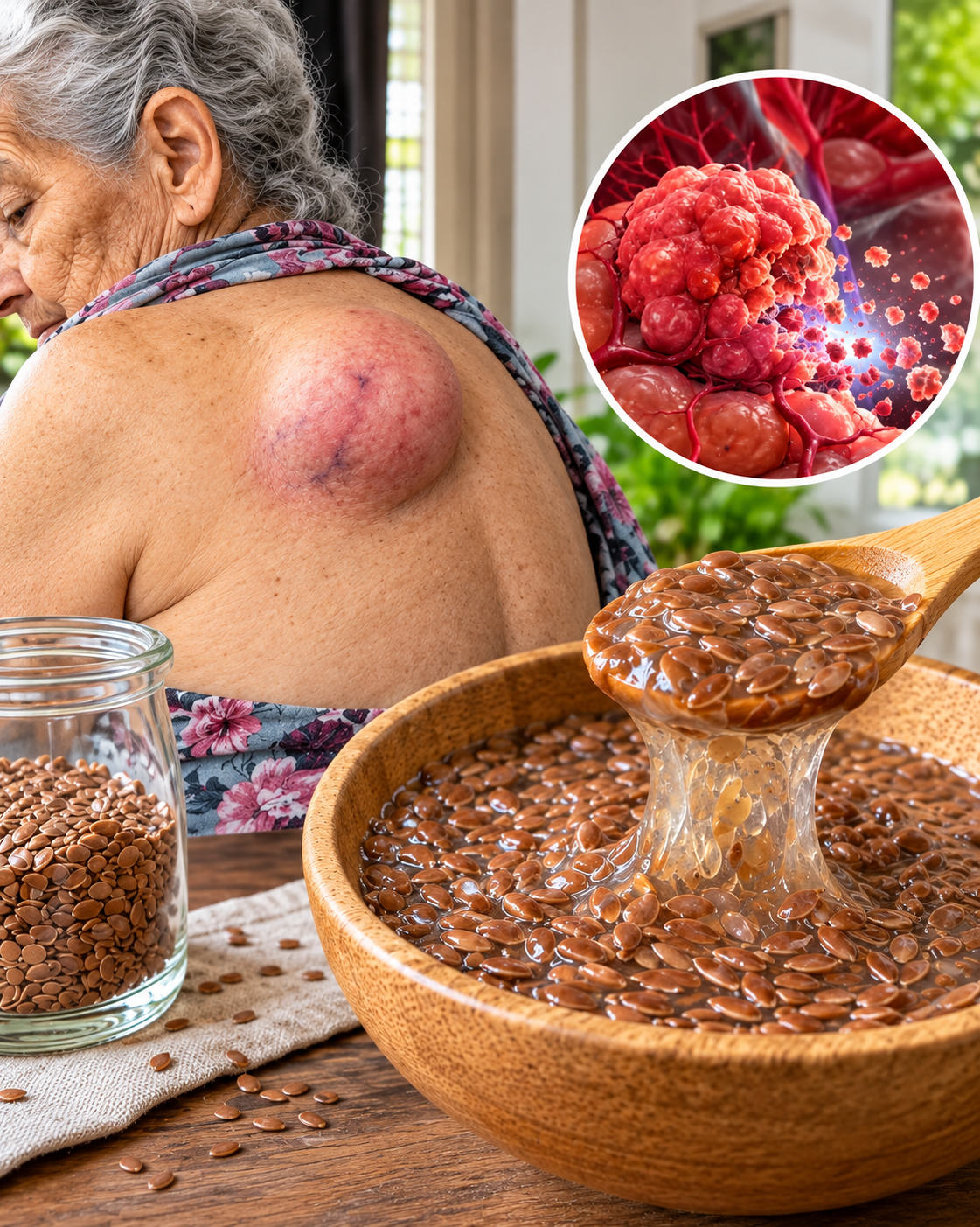
The image associated with this recipe suggests that one simple seed may act as a natural cancer reset and help shrink unwanted tumors. This wording is misleading because it presents an unproven medical claim.
Although flaxseed and its components have been studied in laboratory research and some human studies, there is no established evidence that homemade flaxseed gel cures cancer, removes tumors, or replaces oncology treatment.
If you or someone you love has a lump, swelling, or suspected tumor, do not attempt to treat it with flaxseeds alone. Arrange a medical assessment, because a lump can have many different causes and may require examination or testing.
People receiving cancer treatment should discuss significant dietary changes or concentrated flaxseed products with their oncology team, particularly if they take medication or have digestive problems.
Information and Safety Tips
- Start with small amounts of flaxseed if you are not accustomed to eating high-fiber foods.
- Drink sufficient water when increasing your fiber intake.
- Avoid swallowing large amounts of dry flaxseed without adequate fluid.
- Ask a healthcare professional whether flaxseed is suitable if you have swallowing difficulties, bowel narrowing, or a history of intestinal obstruction.
- Discuss regular flaxseed consumption with your healthcare professional if you take medicines that may be affected by dietary changes.
- Refrigerate homemade flaxseed gel promptly and use clean utensils.
- Remember that no single food provides every nutrient your body needs.
Frequently Asked Questions for Flaxseed Lovers
Can flaxseed gel shrink tumors?
There is no reliable clinical evidence that homemade flaxseed gel shrinks tumors in humans. It must not be used as a substitute for cancer diagnosis or treatment.
Is flaxseed gel good for digestion?
Flaxseeds contain fiber, which can support regular bowel movements. However, the amount of fiber retained in strained gel varies, and the gel should not be considered a guaranteed treatment for constipation.
Can I drink flaxseed gel every day?
Some adults can include flaxseed in their regular diet, but the appropriate amount depends on individual circumstances. Start with a small portion, stay hydrated, and seek professional advice if you have medical conditions or take medications.
Is whole or ground flaxseed better?
Ground flaxseed is generally easier to digest and allows the body to access more of the seed’s nutrients. Whole seeds are useful for making gel and may pass through the digestive tract partly undigested.
Can flaxseed replace medication?
No. Flaxseed is a food, not a replacement for prescribed medication, cancer treatment, or professional medical advice.
Conclusion
Flaxseeds are a simple, versatile ingredient that can bring fiber, plant-based omega-3 fatty acids, and beneficial plant compounds to everyday meals.
This homemade flaxseed gel recipe requires only two basic ingredients: flaxseeds and water. With a little preparation, you can make a batch to add to smoothies, breakfast bowls, and other recipes throughout the week.
The most important thing to remember is that healthy eating is about consistent habits rather than miracle ingredients. Enjoy flaxseeds as part of a varied diet, keep realistic expectations about their benefits, and rely on qualified healthcare professionals for medical concerns.