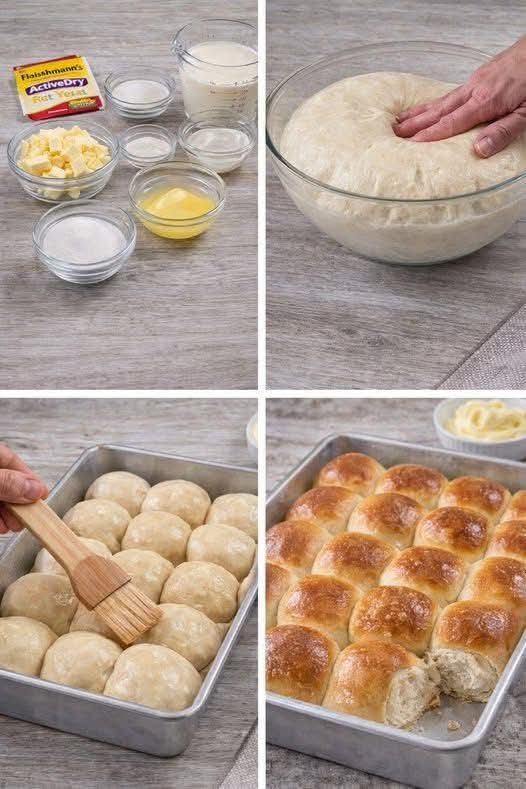
Introduction
There is something wonderfully comforting about a loaf of homemade white bread. This Amish White Bread is soft, tender, lightly sweet, and beautifully golden on the outside. Made with simple pantry ingredients, it is an easy recipe for beginners while still being satisfying for experienced home bakers.
The dough comes together with yeast, warm water, sugar, flour, oil, salt, and honey. After rising and baking, you get a fluffy loaf with a delicate crumb and a subtle sweetness that makes it perfect for sandwiches, toast, breakfast, or simply enjoying warm with butter.
Ingredients
For the Bread
- 2 ½ teaspoons active dry yeast
- 1 cup warm water, about 105–110°F (40–43°C)
- 1 tablespoon granulated sugar
- 3 cups all-purpose flour
- 1 tablespoon vegetable oil
- 1 teaspoon salt
- 1 tablespoon honey
Optional for the Top
- 1 teaspoon melted butter for brushing after baking
- A little extra flour for kneading if necessary
Instructions
1. Activate the Yeast
Pour the warm water into a large mixing bowl. Add the sugar and active dry yeast.
Stir gently and let the mixture stand for about 5–10 minutes. The yeast should become slightly foamy, which indicates that it is active.
If there is little or no activity, the water may have been too hot, too cold, or the yeast may no longer be active.
2. Make the Dough
Add the honey, vegetable oil, and salt to the yeast mixture.
Gradually add the flour, about ½ cup at a time, stirring after each addition.
When the dough becomes too thick to stir, transfer it to a lightly floured work surface.
3. Knead the Dough
Knead the dough for approximately 8–10 minutes, until it becomes smooth and elastic.
The dough should feel soft and slightly tacky but should not be excessively sticky.
If necessary, add flour a little at a time. Avoid adding too much flour because this can make the finished bread dense.
4. First Rise
Place the dough into a lightly oiled bowl and turn it once so the surface is lightly coated.
Cover the bowl with a clean kitchen towel or plastic wrap.
Let the dough rise in a warm, draft-free place for approximately 1 hour, or until it has roughly doubled in size.
5. Shape the Loaf
Gently press down the risen dough to release excess air.
Shape it into a loaf that fits comfortably inside a greased 9 × 5-inch loaf pan.
Place the shaped dough into the pan and cover it again.
Allow it to rise for another 30–45 minutes, or until it becomes noticeably puffy and rises above the edge of the pan.
6. Bake
Preheat your oven to 350°F (175°C).
Place the loaf in the center of the oven and bake for approximately 30–35 minutes.
The bread should develop a beautiful golden-brown crust and sound hollow when gently tapped.
If the top becomes brown too quickly, loosely cover it with aluminum foil during the final portion of baking.
7. Cool
Remove the bread from the pan and place it on a wire rack.
For an extra-soft crust, brush the warm loaf lightly with melted butter.
Allow the bread to cool for at least 30 minutes before slicing.
Method
The key to excellent Amish White Bread is giving the yeast and dough enough time to develop.
First, activate the yeast in warm water with sugar. Once the yeast becomes foamy, add the remaining ingredients and gradually incorporate the flour.
Kneading develops gluten, which gives the bread its structure and allows it to rise properly. The first rise gives the yeast time to produce gas and expand the dough.
After shaping, the second rise creates a lighter, fluffier texture. Finally, baking transforms the soft dough into a golden loaf with a tender interior.
Helpful Baking Tips
Use the Right Water Temperature
The water should be warm but not hot. Extremely hot water can damage the yeast.
Don’t Add Too Much Flour
A common mistake is adding flour until the dough feels completely dry. A slightly soft dough usually produces a softer loaf.
Give the Dough Enough Time
Rising time can vary depending on room temperature. In a cool kitchen, the dough may need more time.
Let the Bread Cool
Cutting homemade bread immediately after baking can cause the interior to become gummy. Allowing it to cool helps the crumb finish setting.
Store Properly
Once completely cool, keep the bread in an airtight bag or container at room temperature for several days.
A Little History
Amish communities are often associated with traditional homemade cooking, baking, and recipes made from simple ingredients. However, it is important to note that “Amish bread” is not one single standardized historical recipe. Many recipes carrying the Amish name have been shared and adapted over the years.
This style of white bread reflects the appeal of traditional home baking: basic ingredients, careful preparation, and a freshly baked loaf made from scratch.
Benefits of Homemade Bread
Making bread at home gives you control over the ingredients and allows you to avoid unnecessary additives commonly found in some commercially produced breads.
Homemade bread can also be customized to your preferences. You can adjust the sweetness, use different flours, or add ingredients such as seeds, herbs, or grains.
Most importantly, homemade bread offers something that is difficult to measure: the comfort and satisfaction of creating something delicious with your own hands.
Flavor and Texture
This Amish-style white bread has a soft, fluffy interior with a lightly sweet flavor from the sugar and honey.
The crust becomes golden and gently crisp during baking, while the inside remains tender.
It is delicious when served warm with butter, but it is also sturdy enough for sandwiches and toast.
Serving Ideas
Serve this homemade bread with:
- Butter and honey
- Strawberry or raspberry jam
- Peanut butter
- Scrambled eggs
- Cheese and deli meat
- Soups and stews
- Homemade sandwiches
- French toast
- Toast with cinnamon and sugar
A warm slice with butter is especially delicious straight from the oven.
Variations
Honey White Bread
Increase the honey slightly for a sweeter loaf.
Herb Bread
Add dried rosemary, thyme, or Italian seasoning to the dough.
Cinnamon Bread
Add cinnamon and a small amount of brown sugar for a sweet breakfast loaf.
Whole-Wheat Version
Replace part of the all-purpose flour with whole-wheat flour. You may need a little additional water because whole-wheat flour absorbs more liquid.
Seeded Bread
Add sunflower seeds, sesame seeds, or flaxseeds for extra texture.
Frequently Asked Questions
Why didn’t my bread rise?
The yeast may have been inactive, the water may have been too hot or too cold, or the dough may have been kept somewhere too cool.
Why is my bread dense?
Too much flour, insufficient kneading, or not allowing the dough enough time to rise can result in a dense loaf.
Can I make this bread without honey?
Yes. Honey contributes sweetness and flavor, but the recipe can be adapted without it.
Can I freeze the bread?
Yes. Once completely cooled, wrap the loaf tightly and freeze it. Thaw at room temperature before serving.
Conclusion
This Amish White Bread is proof that you don’t need complicated ingredients or special equipment to make wonderful homemade bread.
With a few simple ingredients, proper kneading, and enough time for the dough to rise, you can create a soft, golden loaf that fills your kitchen with the irresistible aroma of freshly baked bread.
Whether you serve it with butter and honey, turn it into sandwiches, or toast it for breakfast, this homemade classic is a recipe worth keeping.