Introduction
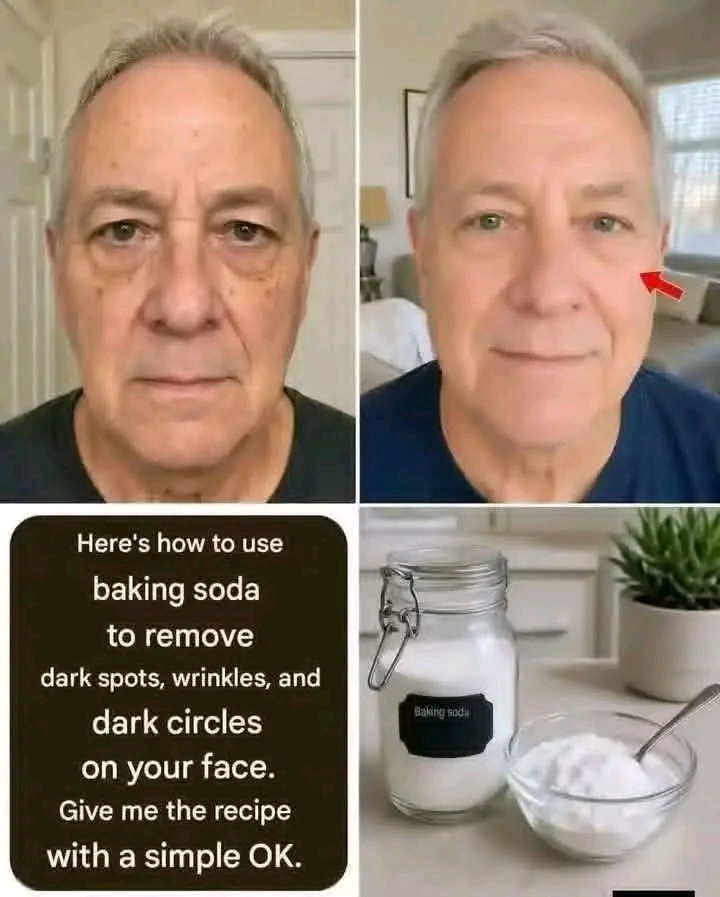
Baking soda is a common kitchen ingredient that many people use in homemade beauty routines. Also known as sodium bicarbonate, it is sometimes added to facial masks and scrubs because of its fine, powdery texture and ability to neutralize acids.
However, when it comes to facial skincare, baking soda requires caution. The skin has a naturally protective, slightly acidic surface, while baking soda is alkaline. Applying it to the face may disturb the skin’s natural barrier, leading to dryness, irritation, redness, or discomfort.
The good news is that you can create simple, gentle homemade skincare recipes using soothing ingredients such as oatmeal, aloe vera, honey, and plain yogurt—without relying on harsh scrubbing or strong alkaline mixtures.
In this guide, you will discover what baking soda can and cannot do for your skin, the possible risks, and four gentle DIY facial recipes designed to support a comfortable, healthy-looking complexion.
Ingredients
Common Ingredients for Gentle Facial Care
Here are the ingredients used in the four skincare recipes below.
- Colloidal oatmeal: Helps soothe dry, itchy, or irritated skin.
- Pure aloe vera gel: Provides lightweight hydration and a cooling sensation.
- Plain yogurt: Contains lactic acid, which may gently exfoliate the skin, although it can irritate sensitive complexions.
- Honey: Acts as a humectant and helps the skin retain moisture.
- Cucumber: Provides a refreshing, cooling sensation.
- Clean water: Helps create a smooth consistency and gently rinse away the mixture.
Choose simple ingredients without added fragrances, essential oils, or other unnecessary additives.
Important: These recipes do not contain baking soda because it can irritate facial skin. Avoid adding it to homemade masks, scrubs, or cleansers.
Recipe 1: Soothing Oatmeal Facial Mask
Ingredients
- 1 tablespoon finely ground plain oats
- 1–2 teaspoons lukewarm water
- ½ teaspoon honey, optional
Instructions
- Place the ground oats in a clean bowl.
- Add the water gradually until a soft paste forms.
- Stir in the honey if desired.
- Apply a thin layer to clean, damp skin, avoiding the eyes and lips.
- Leave it on for 5–10 minutes.
- Rinse gently with lukewarm water without scrubbing.
- Pat the face dry with a clean towel and apply a fragrance-free moisturizer.
Method
This mask uses finely ground oats to create a soft, soothing paste. It is suitable for people who want a simple facial treatment without rough exfoliating particles.
Use it occasionally rather than repeatedly throughout the day. If your skin becomes itchy, red, or uncomfortable, rinse immediately and discontinue use.
Recipe 2: Aloe Vera Hydration Treatment
Ingredients
- 1 teaspoon pure aloe vera gel
- ½ teaspoon fragrance-free moisturizer, optional
Instructions
- Wash your hands and cleanse your face gently.
- Mix the aloe vera gel with the moisturizer if desired.
- Apply a thin layer to the skin.
- Leave it on as directed for the moisturizer you use, or rinse after 10–15 minutes if treating it as a mask.
- Avoid applying it to broken or irritated skin.
Method
Aloe vera is commonly used in skincare products because it can provide lightweight hydration and a cooling feeling. This simple treatment may help skin feel more comfortable, especially when it feels dry.
Choose a product formulated for skin rather than aloe products containing alcohol, fragrance, or added irritating ingredients.
Recipe 3: Honey and Oatmeal Moisture Mask
Ingredients
- 1 teaspoon honey
- 1 tablespoon finely ground oats
- 1–2 teaspoons lukewarm water
Instructions
- Combine the honey and ground oats in a clean bowl.
- Add enough water to make a spreadable paste.
- Apply a thin layer to clean skin.
- Leave it on for approximately 5–10 minutes.
- Rinse thoroughly with lukewarm water.
- Apply your usual moisturizer.
Method
Honey helps attract moisture, while finely ground oats provide a soft texture. Together, they make a simple mask for people who prefer a moisturizing skincare routine.
This treatment is not a cure for acne, dark spots, wrinkles, or other skin conditions. Avoid honey if you have a known allergy to it or any ingredient in the mixture.
Recipe 4: Refreshing Cucumber Facial Treatment
Ingredients
- 2 tablespoons finely grated cucumber
- 1 teaspoon pure aloe vera gel, optional
Instructions
- Wash the cucumber thoroughly.
- Grate a small amount and place it in a clean bowl.
- Mix it with aloe vera gel if desired.
- Apply a thin layer to clean skin, avoiding the eyes.
- Leave it on for 5–10 minutes.
- Rinse gently with cool or lukewarm water.
- Pat dry and moisturize.
Method
Cucumber provides a refreshing, cooling sensation and contains water that helps moisten the skin temporarily. This treatment can be a pleasant addition to a simple skincare routine, but it will not permanently shrink pores or remove pigmentation.
Prepare the mixture fresh each time and discard any leftovers instead of storing them.
History of Baking Soda in Beauty Routines
Baking soda has long been used in household cleaning, cooking, deodorizing, and various homemade personal-care preparations. Its availability and low cost have made it a popular ingredient in online beauty tips.
Some traditional home remedies recommend mixing baking soda with water, honey, lemon juice, or other kitchen ingredients to create facial treatments.
However, traditional use does not establish that a treatment is safe or effective. Baking soda’s alkaline nature is particularly important when considering facial skin, which relies on its protective barrier and naturally acidic surface.
Modern skincare generally favors gentle cleansing, appropriate moisturization, and sun protection over harsh homemade scrubs.
Potential Benefits of Baking Soda on the Face
Baking soda has some useful household properties, but its benefits for facial skin are limited.
1. Mild Abrasive Properties
Its fine particles can physically rub against the skin. However, this does not make it an ideal facial exfoliant, because friction may cause irritation or worsen sensitive skin.
2. Acid-Neutralizing Properties
Baking soda can neutralize acids in certain chemical settings. This does not mean that it should be used to balance facial skin or treat acne.
3. Low Cost and Easy Availability
It is inexpensive and easy to find in grocery stores. Nevertheless, inexpensive ingredients are not always appropriate for skincare, and safer alternatives are available.
4. A Common Ingredient in DIY Beauty Advice
Baking soda frequently appears in homemade beauty recipes online. Its popularity should not be confused with evidence that it improves skin health.
Risks of Applying Baking Soda to the Face
1. Disruption of the Skin Barrier
The skin’s outer surface helps retain moisture and protect against irritants. Alkaline products can interfere with this protective environment, potentially causing dryness and irritation.
2. Redness and Burning
Some people may experience stinging, redness, tightness, or burning after applying baking soda, especially if their skin is sensitive.
3. Increased Dryness
Repeated use can leave the skin feeling dry, rough, or uncomfortable.
4. Worsening Existing Skin Problems
If you have eczema, rosacea, acne-related irritation, or a damaged skin barrier, baking soda may aggravate your symptoms.
5. Scrubbing Damage
Rubbing baking soda against the face may cause friction and worsen irritation. Scrubbing harder will not make a facial treatment more effective.
6. Misleading Claims About Dark Spots and Acne
There is no good evidence that applying household baking soda to the face safely removes dark spots, cures acne, eliminates wrinkles, or permanently shrinks pores.
If you develop persistent irritation, swelling, or a rash, stop using the product and seek medical advice if symptoms are significant or do not improve.
How to Use Homemade Facial Treatments More Safely
Follow these basic skincare practices when trying any new product or DIY treatment.
- Patch-test first: Apply a small amount to a discreet area, such as the inner arm, and observe for irritation over 24–48 hours. A patch test reduces risk but cannot guarantee that a product will be safe on your face.
- Keep the routine simple: Introduce one new product at a time.
- Avoid harsh scrubbing: Use gentle movements and lukewarm water.
- Protect the eye area: Do not apply homemade mixtures close to your eyes.
- Moisturize afterward: Use a fragrance-free moisturizer suited to your skin.
- Use sunscreen: Apply broad-spectrum SPF 30 or higher during the day to help protect against sun damage and worsening pigmentation.
- Stop if irritation occurs: Rinse immediately and do not continue using the treatment if burning, itching, or redness develops.
For the face, it is generally best to skip baking soda altogether and choose a gentle cleanser formulated for facial skin.
Benefits of a Gentle Skincare Routine
A simple, consistent skincare routine can support the skin’s natural protective barrier and help it feel comfortable.
- Gentle cleansing: Removes everyday dirt, sweat, and excess oil.
- Moisturizing: Helps reduce dryness and support the skin barrier.
- Sun protection: Helps prevent sunburn, premature skin aging, and worsening dark spots.
- Avoiding harsh scrubs: Reduces unnecessary friction and irritation.
- Consistency: Gives you a better chance of identifying which products work for your skin.
Remember that no homemade mask can replace appropriate treatment for persistent acne, eczema, rosacea, or other skin conditions.
Skin-Friendly Formulation Tips
When preparing homemade facial treatments, cleanliness and simplicity matter.
- Use clean bowls, spoons, and hands.
- Prepare only the amount you need for one application.
- Avoid mixing many ingredients together.
- Do not add baking soda, lemon juice, toothpaste, or undiluted essential oils to facial masks.
- Avoid using food ingredients if you have a known allergy.
- Do not apply mixtures to cuts, open wounds, or severely irritated skin.
- Discard leftovers rather than storing homemade mixtures, which lack tested preservatives.
If your goal is exfoliation, choose a commercially formulated facial product appropriate for your skin type rather than experimenting with abrasive kitchen ingredients.
Frequently Asked Questions
Can baking soda remove dark spots?
There is no reliable evidence that baking soda safely removes dark spots. Daily sun protection and suitable skincare ingredients are better options. Persistent pigmentation may require advice from a dermatologist.
Can baking soda help with acne?
It is not an established acne treatment and may irritate the skin. For acne, consider evidence-based ingredients such as benzoyl peroxide or salicylic acid in products formulated for facial use, starting cautiously and following the product instructions.
How often should I apply baking soda to my face?
The safest recommendation is not to use household baking soda as a facial treatment. Choose a gentle cleanser and moisturizer instead.
Are homemade facial masks safe for everyone?
No. Natural ingredients can still cause allergies or irritation. People with sensitive skin, eczema, rosacea, or active irritation should be especially cautious and may prefer products specifically formulated for their skin.
Can I use these four recipes every day?
Daily use is unnecessary. Start with an occasional treatment, observe how your skin responds, and discontinue anything that causes irritation. A simple daily cleansing and moisturizing routine is usually more important than frequent masks.
Conclusion
Baking soda may be useful in the kitchen and around the home, but it is not an ideal ingredient for facial skincare. Its alkaline properties and potential to irritate the skin make it a poor choice for homemade facial scrubs and masks.
Instead, the four gentle recipes in this guide—oatmeal, aloe vera, honey and oatmeal, and cucumber—offer simple ways to explore a more soothing skincare routine. Even these ingredients can cause reactions, so patch-testing and paying attention to your skin are important.
Healthy-looking skin does not require complicated mixtures or harsh treatments. Gentle cleansing, appropriate moisturization, and daily sun protection are better foundations for long-term skin care.
Final reminder: If you are concerned about acne, persistent dark spots, or an ongoing skin condition, consult a qualified healthcare professional for advice tailored to your need.