Introduction
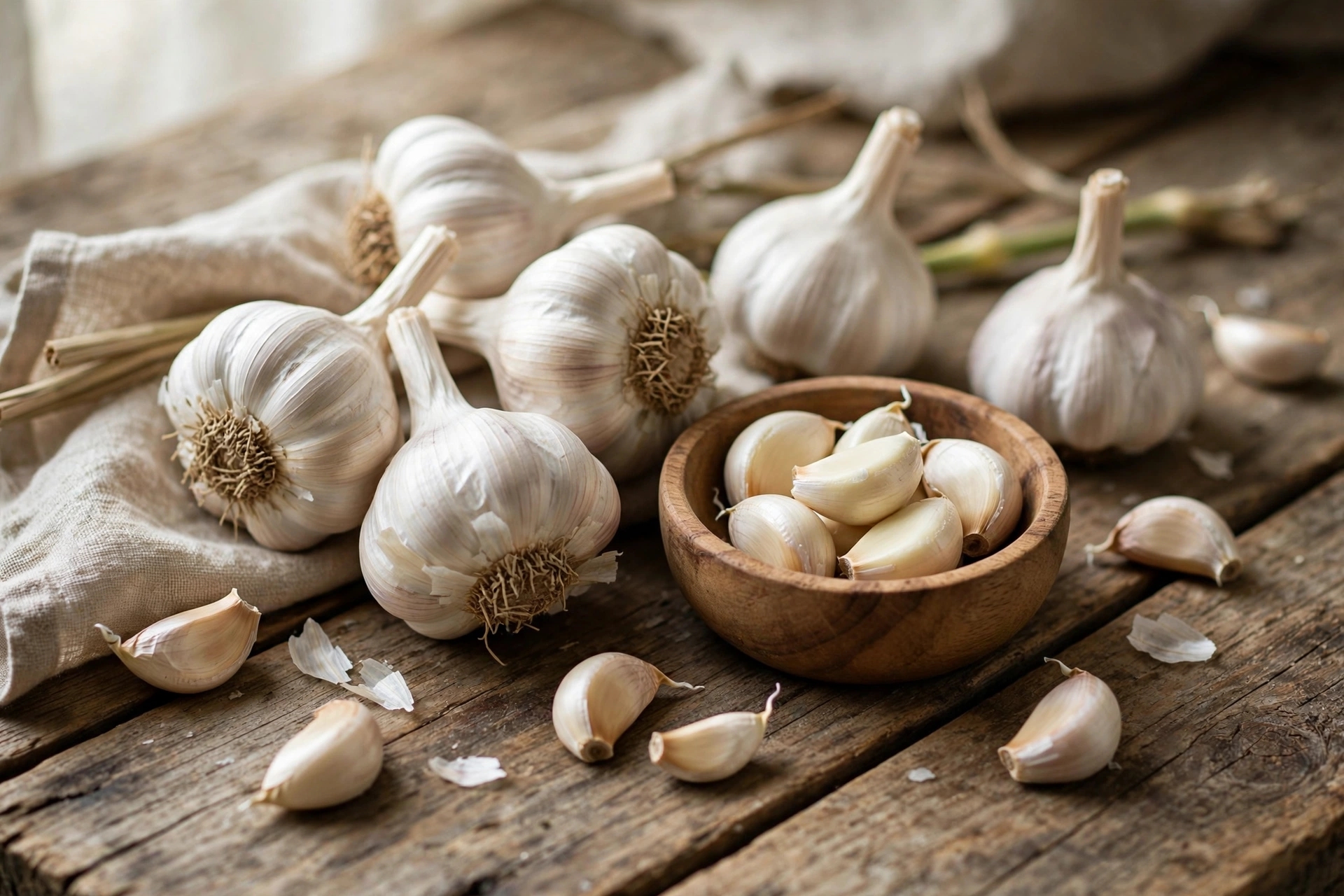
Garlic has been used in kitchens around the world for centuries. Known for its strong aroma and distinctive flavor, this simple ingredient is also valued for its natural compounds and potential health benefits.
Some people enjoy eating a small amount of garlic in the evening as part of their daily routine. Others combine garlic with a little salt, hoping to create a simple traditional remedy. But is garlic before bed really beneficial, and is adding salt a good idea?
The truth is that garlic contains compounds that may support cardiovascular health, particularly when consumed regularly as part of a balanced diet. However, eating garlic at night is not a miracle cure, and there is no strong scientific evidence that taking garlic with salt before bed provides special benefits.
Here is a simple guide to preparing garlic safely, understanding its potential benefits, and knowing when to be careful.
Ingredients
For this simple garlic preparation, you will need:
- 1 small fresh garlic clove
- A few drops of water, if needed
- A tiny pinch of salt, optional
- A glass of drinking water
Important: Salt is not necessary to obtain garlic’s nutritional benefits. If you have high blood pressure, kidney problems, or have been advised to reduce sodium, skip the salt.
Instructions
- Choose one fresh garlic clove and remove the papery skin.
- Rinse the clove if necessary and pat it dry with a clean towel.
- Crush or finely chop the garlic to release its natural compounds.
- If you prefer a milder taste, mix the chopped garlic into a small amount of food, such as plain yogurt or a little mashed potato.
- Avoid adding salt unless you have a specific reason to use it.
- Drink some water afterward and notice how your stomach responds.
- If raw garlic causes discomfort, try cooked garlic with dinner instead.
You do not need to swallow a whole garlic clove or take it immediately before sleeping to benefit from including garlic in your diet.
Preparation Method
Preparation time: 5 minutes
Cooking time: None
Suggested serving: One small clove incorporated into food, if tolerated
For a gentler preparation, finely chop one small garlic clove and let it sit for a few minutes before mixing it into food. Crushing garlic helps activate an enzyme involved in producing allicin, one of garlic’s best-known sulfur-containing compounds.
If you have a sensitive stomach, cooking the garlic may make it easier to tolerate. You can sauté it lightly or add it to soup, vegetables, or another evening meal.
Do not force yourself to eat raw garlic if it causes burning, nausea, or stomach pain.
The History of Garlic
Garlic has a long history as both a culinary ingredient and a traditional medicinal plant. It was cultivated in ancient civilizations and used in the food traditions of regions across Asia, the Mediterranean, the Middle East, and North Africa.
In Moroccan households, garlic is a familiar ingredient in sauces, marinades, soups, and traditional dishes. Its powerful flavor makes even a small amount useful in everyday cooking.
Historically, people used garlic in many home remedies, including preparations intended to support general well-being. Modern research has investigated some of these traditional uses, especially garlic’s possible effects on blood pressure and cholesterol.
However, traditional use does not automatically prove that a remedy works. Garlic and salt have not been established as a special bedtime treatment, and this combination should not replace appropriate medical care.
Potential Benefits of Garlic
1. May Support Heart Health
Some research suggests that certain garlic supplements may modestly reduce blood pressure in people with hypertension. The results depend on the preparation, dose, and individual circumstances.
Eating garlic as part of a balanced diet can be enjoyable, but a single raw clove should not be expected to control high blood pressure.
2. Contains Natural Antioxidant Compounds
Garlic contains sulfur compounds and other substances that have been studied for their antioxidant activity. Antioxidants help protect cells from damage associated with oxidative stress.
The effects of eating garlic in ordinary amounts are not the same as the effects observed in laboratory studies, so it is important to avoid exaggerated health claims.
3. Adds Flavor Without Excess Salt
Garlic gives food a strong, savory taste. Using it in place of some salt can make meals flavorful while helping reduce sodium intake.
This is particularly useful for people who need to limit salt for blood pressure or other health reasons.
4. May Help Support Healthy Cholesterol Levels
Some studies of garlic supplements have reported modest improvements in cholesterol levels, but results vary. Evidence for a specific benefit from eating one raw garlic clove before bed is limited.
Garlic should complement, not replace, a heart-healthy eating pattern and any treatment recommended by a healthcare professional.
5. Contains Compounds Studied for Their Antimicrobial Activity
Certain garlic compounds show antimicrobial effects in laboratory settings. This does not mean that eating raw garlic can reliably treat infections, sore throats, bad breath, or other illnesses.
If you have symptoms that persist or become severe, seek appropriate medical advice rather than relying on garlic alone.
6. Can Be Part of a Balanced Diet
Garlic contributes flavor and small amounts of nutrients while making many nutritious dishes more appealing. Its greatest practical value may be as part of an overall eating pattern rich in vegetables, fruit, legumes, whole grains, and other wholesome foods.
Garlic Before Bed: What Should You Know?
Eating garlic in the evening is generally a matter of personal preference. There is no established ideal bedtime dose, and no convincing evidence that garlic works better at night than at other times of the day.
Some people tolerate it well, while others experience heartburn, bloating, gas, or stomach irritation.
If you have acid reflux, eating raw garlic close to bedtime may make symptoms worse. Consider eating garlic earlier in the day or choosing a cooked preparation instead.
Risks of Garlic and Salt
1. Heartburn and Stomach Irritation
Raw garlic can cause a burning sensation in the mouth or stomach, nausea, and digestive discomfort. People with reflux or sensitive digestion may be more affected.
2. Too Much Sodium
Salt contains sodium, and consuming too much sodium can raise blood pressure in susceptible individuals. Adding salt to garlic does not create a proven health-enhancing combination.
For most adults, the World Health Organization recommends consuming less than 2,000 mg of sodium per day, equivalent to less than 5 grams of salt from all sources.
3. Possible Bleeding Interactions
Garlic supplements, particularly in larger amounts, may increase bleeding risk. Talk to your healthcare professional before using concentrated garlic products if you take blood-thinning medication or have an upcoming operation.
4. Allergic Reactions
Although uncommon, garlic can trigger an allergic reaction in some people. Stop using it if you experience an unusual reaction. Difficulty breathing or swelling of the tongue or throat requires emergency medical attention.
5. Skin Irritation
Never apply crushed raw garlic mixed with salt directly to your skin, gums, or other sensitive areas as a home remedy. This can cause significant irritation and chemical burns.
A Safer Evening Garlic Routine
If you want to enjoy garlic as part of your evening routine, keep it simple:
- Use a small amount in cooked food.
- Avoid adding unnecessary salt.
- Eat dinner with enough time before lying down if you experience reflux.
- Drink water normally and maintain good oral hygiene.
- Stop if garlic repeatedly causes discomfort.
- Continue prescribed medicines and follow your healthcare professional’s advice.
There is no need to eat garlic on an empty stomach, swallow a whole clove, or follow a strict bedtime schedule.
Frequently Asked Questions
Can garlic before bed lower blood pressure?
Garlic preparations have shown modest blood-pressure effects in some studies, but one clove at bedtime is not a reliable treatment. Monitor your blood pressure and follow medical advice.
Is garlic with salt better than garlic alone?
There is no good evidence that adding salt improves garlic’s health benefits. Excess salt may be harmful, particularly for people with high blood pressure.
Can garlic cure bad breath?
No. Raw garlic can actually make breath smell stronger. Regular brushing, flossing, tongue cleaning, and dental care are more reliable ways to manage bad breath.
Can I eat garlic every day?
Many people can enjoy ordinary culinary amounts of garlic daily. Your tolerance, medications, and medical conditions matter, so concentrated supplements require additional caution.
Should I eat raw or cooked garlic?
Both can be part of a healthy diet. Crushing raw garlic activates certain compounds, while cooking changes its chemical composition and may make it gentler on the stomach.
Conclusion
Garlic is a versatile ingredient with a long culinary history and several promising areas of health research. Including it in balanced meals may support a healthy eating pattern, and some garlic preparations may have modest cardiovascular benefits.
However, garlic before bed is not a miracle remedy, and combining it with salt has no proven special advantage. Raw garlic can also cause digestive discomfort, while excess salt may contribute to high blood pressure.
The safest approach is to enjoy garlic in moderate amounts, preferably as part of food, limit unnecessary salt, and seek medical guidance when treating health conditions.
Small, consistent dietary habits are more valuable than relying on a single ingredient to solve every health problem.