Introduction
Have you ever wondered what happens to your body when you eat a banana before going to bed? Bananas are naturally sweet, easy to eat, and packed with important nutrients. They contain potassium, vitamin B6, carbohydrates, and fiber, making them a convenient snack at almost any time of the day.
Some people enjoy eating a banana in the evening because it helps satisfy hunger without preparing a heavy meal. But is eating a banana before bedtime really beneficial? Let’s explore its nutritional value, potential benefits, and a simple banana snack recipe.
Recipe Information
- Preparation time: 2 minutes
- Cooking time: None
- Servings: 1 person
- Difficulty: Very easy
- Main ingredient: Ripe banana
Ingredients
- 1 medium ripe banana
- 1 teaspoon of chopped walnuts or almonds (optional)
- A pinch of cinnamon (optional)
- A small glass of water, if desired
Instructions
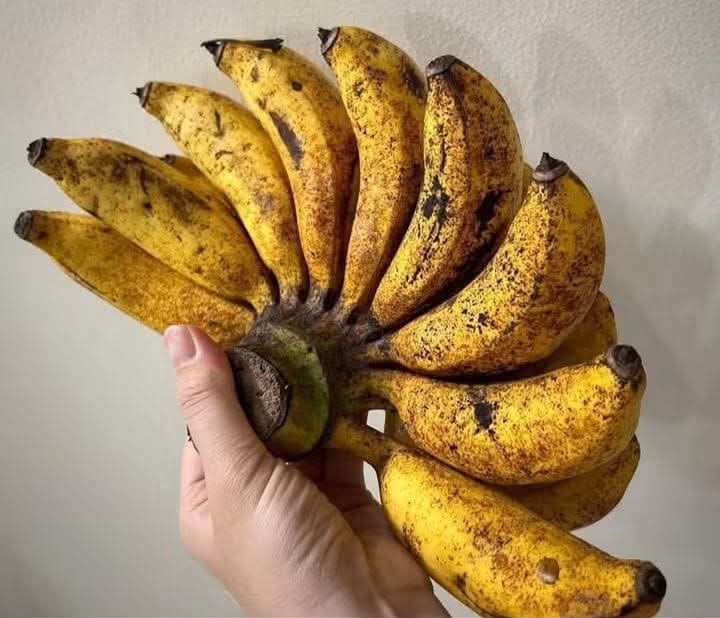
- Choose a ripe banana that is yellow with a few brown spots.
- Peel the banana and slice it into bite-sized pieces.
- Add a pinch of cinnamon for extra flavor, if you like.
- Sprinkle a few chopped nuts on top for additional texture and healthy fats.
- Enjoy your snack slowly, ideally as part of a balanced evening routine.
You can also eat the banana on its own without adding anything.
What Happens to Your Body When You Eat a Banana Before Bed?
1. It Helps Satisfy Evening Hunger
A banana provides carbohydrates and fiber that can help you feel satisfied. If you sometimes feel hungry before bedtime, a banana can be a convenient alternative to sweets, chips, or other heavily processed snacks.
2. It Provides Potassium
Bananas are a source of potassium, a mineral that supports normal muscle function, nerve signaling, and fluid balance. Getting enough potassium throughout the day is important for overall health.
3. It Supports Normal Energy Metabolism
Bananas contain vitamin B6, which helps the body metabolize nutrients and supports normal nervous system function. Eating a banana contributes to your daily intake of this vitamin.
4. It Contributes to Digestive Health
A banana contains dietary fiber, which supports normal digestion and bowel regularity. Individual responses vary, so people with sensitive digestion should pay attention to how they feel after eating one.
5. It May Fit Into a Relaxing Bedtime Routine
A light snack can be helpful if hunger makes it difficult to settle down for the night. Bananas contain small amounts of nutrients involved in normal bodily processes, but there is not strong evidence that eating a banana immediately before bed directly improves sleep.
6. It Can Help Satisfy Sweet Cravings
The natural sweetness of a ripe banana may help satisfy a desire for dessert without needing added sugar. Pairing it with a small amount of nuts can make the snack more substantial.
The History of Bananas
Bananas have been cultivated for thousands of years, with their earliest domestication associated with Southeast Asia and the surrounding region. Over time, they spread throughout tropical regions of the world and became one of the most widely consumed fruits.
Today, bananas are enjoyed fresh, blended into smoothies, baked into cakes, added to oatmeal, and used in countless traditional recipes.
Nutritional Benefits of Bananas
Bananas provide several useful nutrients:
- Potassium: Supports normal muscle and nerve function.
- Vitamin B6: Helps the body process nutrients and supports normal nervous system function.
- Dietary fiber: Contributes to digestive health.
- Carbohydrates: Provide energy for the body.
- Vitamin C: Contributes to normal immune function and helps protect cells from oxidative stress.
A medium banana contains approximately 100–110 calories, although the exact amount depends on its size.
Best Time to Eat a Banana Before Bed
There is no universally perfect time to eat a banana. If you enjoy one as an evening snack, you can eat it when you feel hungry.
If eating close to bedtime causes heartburn, reflux, or digestive discomfort, try having your snack earlier. People managing blood sugar levels may also want to consider the banana’s carbohydrate content as part of their overall meal plan.
Helpful Tips
- Choose a ripe banana for a softer texture and sweeter taste.
- Keep portions reasonable if you are monitoring your calorie intake.
- Combine fruit with a little protein or healthy fat if you want a more filling snack.
- Maintain a regular sleep schedule and avoid excessive caffeine late in the day.
- Remember that no single food guarantees better sleep or weight loss.
Who Should Be Careful?
Most people can enjoy bananas as part of a balanced diet. However, people with advanced kidney disease or those following a medically prescribed potassium restriction should ask their healthcare professional which foods are appropriate for them.
Anyone managing diabetes should consider portion size and individual blood sugar responses.
Conclusion
Eating a banana before bed can be a simple, nutritious way to satisfy hunger and add potassium, vitamin B6, and fiber to your diet. It may fit nicely into a healthy evening routine, but it is not a miracle remedy for insomnia, weight loss, or other health conditions.