Introduction
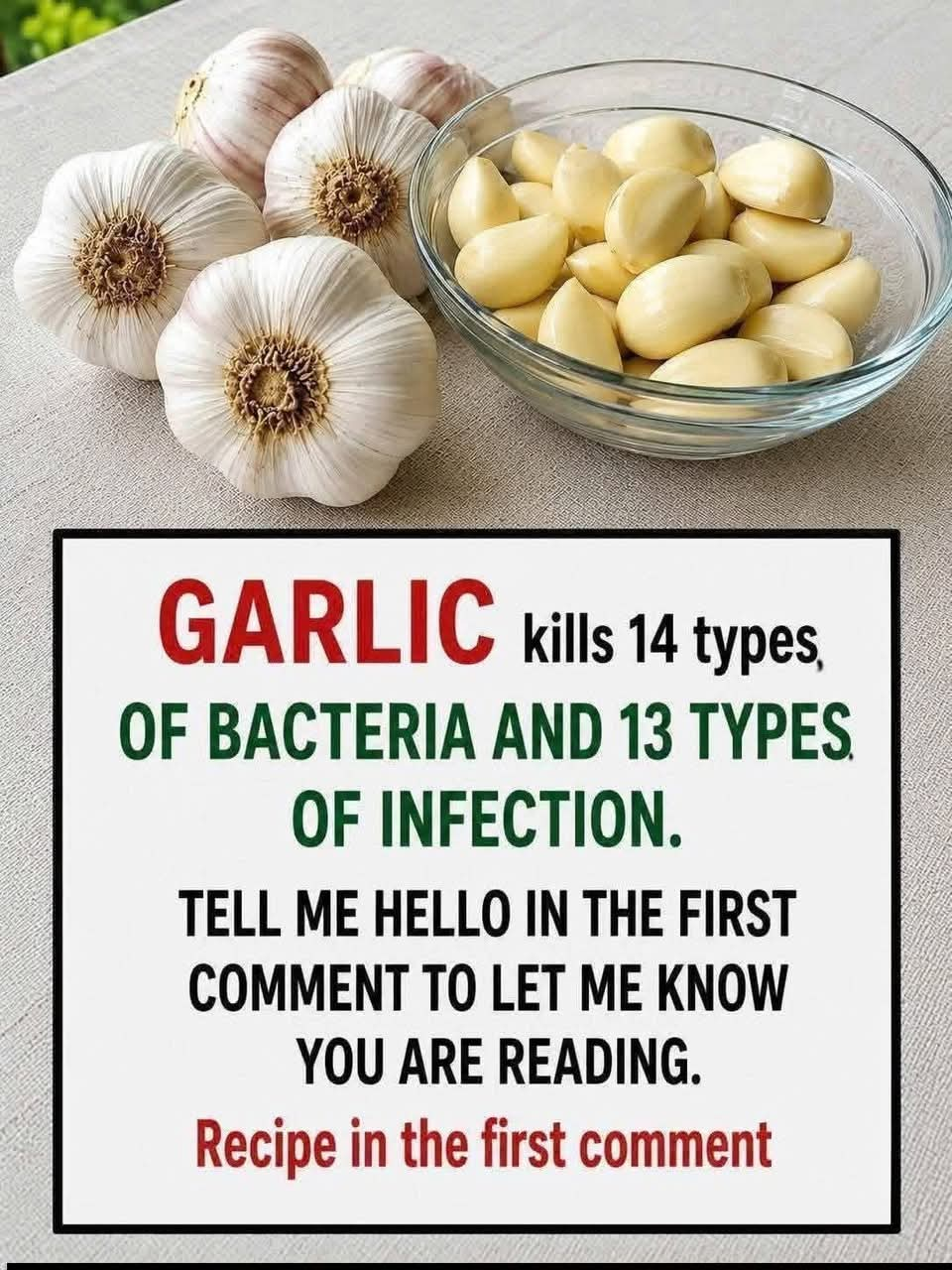
Garlic has been a beloved ingredient in kitchens around the world for centuries. Known for its bold flavor, distinctive aroma, and versatility, garlic adds something special to everything from roasted vegetables and soups to marinades, sauces, and homemade dressings.
One delicious way to enjoy garlic is by combining it with olive oil to create a flavorful garlic-infused oil. This simple preparation brings together the rich taste of olive oil and the savory flavor of garlic, making it a wonderful addition to everyday cooking.
Whether you enjoy preparing traditional family recipes, experimenting with Mediterranean flavors, or finding new ways to make homemade meals more exciting, this garlic-inspired recipe is worth adding to your kitchen collection.
In this guide, you’ll discover the ingredients, preparation instructions, cooking methods, historical background, nutritional benefits, and practical tips for enjoying garlic as part of a balanced diet.
Ingredients
Here is what you need to prepare a delicious garlic-infused olive oil for immediate use.
- 6 fresh garlic cloves
- 1/2 cup (120 ml) extra-virgin olive oil
- 1 small sprig of fresh rosemary (optional)
- 1 small sprig of fresh thyme (optional)
- A pinch of black pepper (optional)
- A small saucepan
- A fine-mesh strainer, if desired
- A clean bowl for serving
Important food-safety note: Fresh garlic stored in oil can create conditions that allow botulism-causing bacteria to grow. For this reason, this recipe is intended for immediate use. Do not store homemade garlic oil at room temperature or keep it for later unless you follow a validated food-safety preparation and storage method.
Instructions
Step 1: Prepare the garlic
Peel the garlic cloves and gently crush them with the flat side of a knife. Crushing releases the garlic’s natural aroma and helps distribute its flavor throughout the oil.
Step 2: Warm the olive oil
Pour the olive oil into a small saucepan. Place it over low heat and allow it to warm gently.
Avoid letting the oil smoke or become excessively hot, as this can affect its flavor.
Step 3: Add the garlic
Add the crushed garlic cloves to the warm oil. If desired, include a small sprig of rosemary or thyme for an extra layer of flavor.
Allow the garlic to infuse gently for approximately 5–10 minutes, watching carefully to ensure that it does not burn.
Step 4: Check the aroma
The oil should develop a pleasant garlic fragrance. The garlic may become slightly golden, but it should not turn dark brown or black.
Remove the saucepan from the heat as soon as the garlic is fragrant and lightly cooked.
Step 5: Strain the oil
If you prefer a smooth oil, carefully strain out the garlic and herbs. Alternatively, leave them in the oil while serving.
Step 6: Serve immediately
Drizzle the freshly prepared garlic oil over roasted vegetables, cooked pasta, grilled chicken, baked potatoes, or toasted bread.
Prepare only the amount you plan to use immediately, and discard any leftovers rather than saving homemade garlic-in-oil for later.
Cooking Methods
Method 1: Gentle stovetop infusion
This method is ideal for bringing out garlic’s flavor without burning it.
- Warm the olive oil over low heat.
- Add crushed garlic.
- Cook gently for 5–10 minutes.
- Remove from the heat and serve immediately.
Method 2: Garlic and herb finishing oil
For a more aromatic variation, add rosemary or thyme while warming the oil. The herbs complement the garlic and work beautifully with roasted potatoes, vegetables, and Mediterranean-inspired meals.
Remove the herbs before serving if you prefer a smooth texture.
Method 3: Fresh garlic dressing
If you prefer a no-cook option, combine one finely minced garlic clove with 3 tablespoons of olive oil, 1 tablespoon of lemon juice, and a pinch of salt.
Whisk the ingredients together and use the dressing immediately over a fresh salad or cooked vegetables. Refrigerate perishable leftovers promptly and discard them within a safe period.
Method 4: Garlic for everyday cooking
You do not need to prepare infused oil to enjoy garlic. Simply chop or crush fresh garlic and add it to soups, stews, sauces, bean dishes, and roasted vegetables.
This is often the easiest way to incorporate garlic into a regular cooking routine.
The History of Garlic
Garlic has a long history that stretches back thousands of years. It originated in Central Asia and eventually spread throughout the Middle East, the Mediterranean region, Europe, and other parts of the world.
Ancient civilizations used garlic as a culinary ingredient and valued it in traditional practices. It became an important part of numerous food cultures because it was flavorful, adaptable, and easy to incorporate into everyday meals.
In Mediterranean cooking, garlic and olive oil became a particularly familiar combination. Together, they form the foundation of many traditional dishes, including pasta sauces, vegetable preparations, marinades, and rustic bread toppings.
Over generations, families developed their own ways of preparing garlic, passing recipes and cooking techniques from one generation to the next.
Today, garlic remains one of the world’s most widely used culinary ingredients. Its popularity comes not only from its distinctive flavor but also from its place in a variety of traditional cuisines.
Benefits of Garlic
Garlic is more than a flavorful kitchen staple. It contains several naturally occurring compounds that have attracted scientific interest.
1. Contains beneficial plant compounds
Garlic contains sulfur-containing compounds, including allicin, which forms when fresh garlic is crushed or chopped. These compounds contribute to garlic’s characteristic aroma and are being studied for their potential biological effects.
2. Supports a balanced diet
Garlic can make vegetables, beans, whole grains, and other nutritious foods more flavorful. This can help make healthy home-cooked meals more enjoyable.
3. May support cardiovascular health
Some clinical research suggests that certain garlic preparations may modestly improve blood pressure or cholesterol measurements in some people. However, results vary, and ordinary culinary garlic should not be considered a replacement for prescribed treatment.
4. Provides antioxidant compounds
Garlic contains compounds that have demonstrated antioxidant activity in laboratory studies. The effects of eating garlic on specific health outcomes in humans are still being investigated.
5. Adds flavor without excessive salt
Using garlic, herbs, lemon, and olive oil can create flavorful meals without relying heavily on added salt.
6. Olive oil contributes unsaturated fats
Extra-virgin olive oil contains predominantly monounsaturated fats and various plant compounds. When used in reasonable amounts as part of a balanced diet, it can be a useful alternative to fats high in saturated fat.
7. Makes everyday meals more enjoyable
One of garlic’s most practical advantages is its versatility. A small amount can transform simple ingredients into a satisfying meal, helping home cooks explore new flavors without complicated techniques.
A gentle reminder: Garlic is a food, not a cure-all. It has not been proven to cleanse the blood, detoxify the liver or kidneys, or cure diseases. Garlic supplements may also interact with medicines, particularly blood thinners, so speak with a healthcare professional before using concentrated products.
Important Food-Safety Information
Garlic-infused oil requires special care because garlic is a low-acid food and oil creates an oxygen-poor environment where Clostridium botulinum can grow under suitable conditions.
To enjoy this recipe safely:
- Prepare a small quantity for immediate use.
- Do not leave fresh garlic submerged in oil at room temperature.
- Do not assume that heating the oil briefly makes it safe for long-term storage.
- Avoid storing homemade garlic oil for future meals unless you use a scientifically validated preparation and storage process.
- For longer storage, choose a commercially prepared garlic-infused oil made and packaged under appropriate food-safety controls.
Never taste garlic oil that has been stored unsafely to determine whether it is safe; dangerous contamination may not change its smell, appearance, or taste.
Nutritional Information
The exact nutritional values depend on the quantities consumed and the ingredients used.
For a serving containing approximately one tablespoon of olive oil, the oil alone contributes roughly 120 calories and 14 grams of fat. Garlic adds small amounts of carbohydrates and other nutrients, depending on the portion.
This recipe is best enjoyed in moderate portions as part of a varied diet that includes vegetables, fruits, whole grains, protein sources, and other nutritious foods.
Tips for the Best Flavor
- Choose fresh, firm garlic cloves without soft spots or mold.
- Use good-quality extra-virgin olive oil for a rich, fruity flavor.
- Keep the heat low to prevent the garlic from burning.
- Add rosemary or thyme for a Mediterranean touch.
- Taste the oil with a small piece of bread immediately after preparation.
- Use the oil as a finishing touch rather than pouring large quantities over food.
Frequently Asked Questions
Can I use garlic-infused olive oil every day?
You can generally enjoy garlic and olive oil regularly as part of a balanced diet, provided you tolerate them well and use reasonable portions.
Is raw garlic better than cooked garlic?
Raw and cooked garlic have different flavors and chemical profiles. Crushing fresh garlic promotes the formation of allicin, while cooking changes some of its compounds. Neither form should be considered a guaranteed treatment for a health condition.
Can garlic oil cure infections or high blood pressure?
No. Garlic oil is not a proven cure for infections or high blood pressure and should never replace necessary medical care.
Can I prepare a large batch and keep it for weeks?
Do not use this homemade recipe for long-term storage. Fresh garlic in oil presents a serious botulism risk unless prepared and stored using a validated food-safety method.
What foods pair well with garlic oil?
Try it with roasted potatoes, steamed vegetables, pasta, grilled chicken, beans, crusty bread, or cooked mushrooms.
Conclusion
Homemade garlic-infused olive oil is a simple, aromatic way to bring traditional Mediterranean flavors into your kitchen. With fresh garlic, quality olive oil, and a few optional herbs, you can create a delicious finishing oil that makes everyday meals feel special.
Garlic also provides interesting plant compounds, while olive oil contributes unsaturated fats. Together, they can fit comfortably into a balanced eating pattern, although neither ingredient should be treated as a miracle remedy.
The most important ingredients are simple preparation, good-quality food, and safe handling. Prepare this garlic oil for immediate use, enjoy it with your favorite dishes, and continue exploring the many delicious ways to cook with garlic.