Introduction
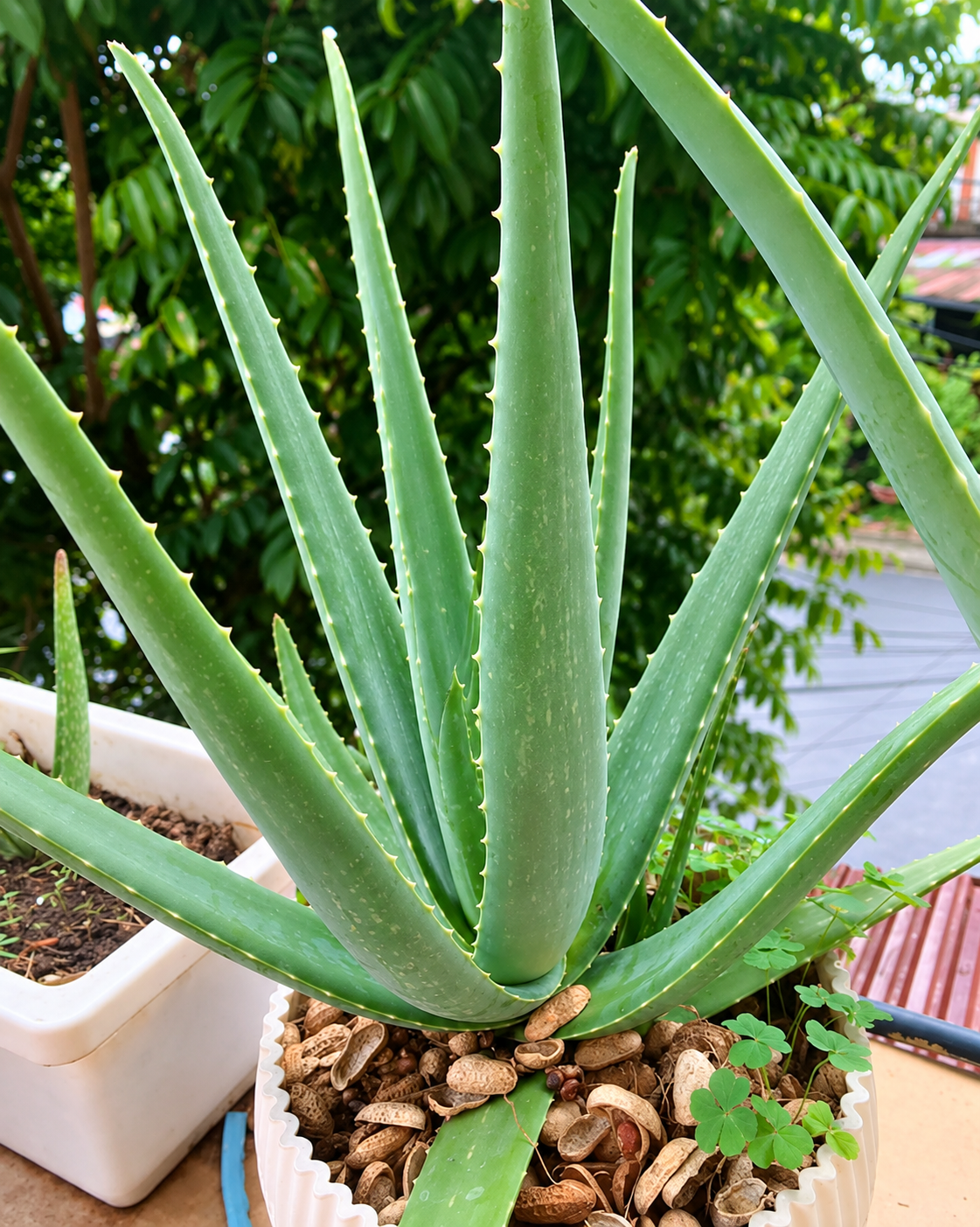
Aloe vera is one of the most popular plants in the world, admired for its thick green leaves, refreshing appearance, and clear inner gel. For centuries, people have used this succulent plant in traditional skincare preparations, home remedies, and personal care routines.
Today, aloe vera remains a favorite ingredient in moisturizers, soothing gels, shampoos, and other beauty products. Its clear gel contains water and naturally occurring compounds that researchers continue to study for their possible effects on the skin.
One of the best-known traditional uses of aloe vera is applying its inner gel to the skin to help soothe minor dryness and irritation. However, it is important to distinguish traditional uses from scientifically established benefits. Aloe vera has not been proven to cure cancer, eliminate high blood sugar, or replace medical treatment for serious illnesses.
In this comprehensive guide, you will discover how to prepare fresh aloe vera gel for external use, learn about its history, explore its potential benefits, and understand the precautions that make its use safer.
Recipe Information
- Recipe name: Fresh Aloe Vera Skin Gel
- Category: Natural skincare and traditional plant preparation
- Preparation time: 10–15 minutes
- Cooking time: None
- Total time: Approximately 15 minutes
- Main ingredient: Fresh aloe vera leaf
- Difficulty level: Easy
- Intended use: External skincare only
- Yield: A small quantity of fresh gel
This preparation is designed for topical use. It is not intended to diagnose, treat, cure, or prevent any disease.
Ingredients
To prepare fresh aloe vera gel at home, you will need:
- 1 mature, healthy aloe vera leaf
- Clean running water for washing
- 1 clean cutting board
- 1 clean, sharp knife
- 1 clean spoon
- 1 small, clean container
Optional Ingredients
You do not need additional ingredients to prepare pure aloe vera gel. For the simplest preparation, use only the clear inner gel and avoid adding fragrances, essential oils, lemon juice, or other ingredients that may irritate the skin.
Important: Aloe vera leaves contain a yellow sap called latex beneath the outer skin. This substance differs from the clear inner gel and can cause abdominal cramps, diarrhea, dehydration, and other adverse effects if swallowed.
Instructions: How to Prepare Fresh Aloe Vera Gel
Step 1: Select a Healthy Leaf
Choose a mature, firm aloe vera leaf from a healthy plant. Avoid leaves that appear rotten, moldy, damaged, or contaminated.
Step 2: Wash the Leaf Thoroughly
Rinse the outside of the leaf under clean running water. This helps remove dirt and surface debris before cutting.
Step 3: Drain the Yellow Sap
Cut the leaf near its base and place the cut end downward briefly to allow the yellow sap to drain away. Keep the sap away from your eyes and mouth.
Do not use the yellow latex to prepare homemade drinks or skincare products.
Step 4: Remove the Outer Skin
Place the leaf on a clean cutting board. Carefully trim away the sharp edges and peel off the green outer skin with a clean knife.
Work slowly because the leaf can be slippery.
Step 5: Extract the Clear Inner Gel
Use a clean spoon to scoop out the transparent gel. Remove any remaining pieces of green skin or yellow latex.
The goal is to collect only the clear inner portion of the leaf.
Step 6: Apply a Small Amount to the Skin
Before applying the gel more widely, test a small amount on a limited area of intact skin. Observe the area for irritation.
Stop using the gel if you notice redness, itching, burning, swelling, or a rash.
Step 7: Use Immediately
Fresh homemade aloe vera gel does not contain the preservatives used in many commercial products. It can become contaminated or spoil quickly.
For this reason, prepare only the quantity you need for immediate use. Do not assume that refrigeration makes homemade gel safe for extended storage.
Preparation Methods
There are several ways aloe vera is prepared and used in traditional personal care.
1. Fresh Aloe Vera Inner Gel
Fresh inner gel is extracted directly from the leaf and sometimes applied to intact skin.
Some people use it as a light, soothing addition to their skincare routine. However, individual reactions vary, and fresh homemade preparations can be contaminated if handled improperly.
2. Commercial Aloe Vera Gel
Commercial aloe vera gels are formulated for specific purposes and may contain stabilizers or preservatives.
Choose a reputable product with clear ingredient information. Follow the label instructions, and avoid applying cosmetic gels to deep wounds or serious burns unless a healthcare professional recommends an appropriate product.
3. Aloe Vera Moisturizing Products
Aloe vera is commonly incorporated into lotions, creams, and other moisturizers. These products may help hydrate the skin, depending on their complete formulation.
Aloe vera is only one ingredient, so the overall effect depends on the other ingredients and the product’s intended use.
4. Aloe Vera Drinks
Some commercially produced aloe beverages are intended for consumption, but they are not equivalent to blending an entire fresh leaf at home.
Aloe products differ considerably in their composition and safety. Homemade whole-leaf preparations may contain aloe latex and should not be swallowed.
Oral aloe vera should not be used as a homemade treatment for diabetes or cancer. People taking glucose-lowering medication should consult a healthcare professional before using oral aloe products because of possible interactions and low blood sugar.
The History of Aloe Vera
Aloe vera has a long history of traditional use in warm and dry regions. Historical records describe aloe preparations in several ancient medical traditions, including those associated with Egypt, Greece, Rome, and Asia.
The plant became especially well known for its thick, water-rich leaves and the clear gel inside them. Traditional preparations were used in personal care and for various skin concerns. Other preparations containing aloe latex were historically used as laxatives.
As botanical and medical research developed, scientists began examining aloe vera’s chemical composition and possible applications.
Modern research distinguishes between three important preparations:
- Inner-leaf gel: The clear, water-rich substance inside the leaf.
- Aloe latex: The yellow substance beneath the outer skin, which has laxative effects and can cause adverse reactions.
- Whole-leaf extracts: Preparations that may contain compounds from several parts of the leaf and can have different safety profiles.
This distinction matters because different aloe products cannot be assumed to have the same effects.
Traditional use provides historical context, but it does not establish that a plant can cure a disease.
Potential Benefits of Aloe Vera
1. Skin Hydration
Aloe vera gel contains a high proportion of water and is used in many skincare products.
Some people find aloe-containing products helpful for dry or mildly irritated skin. The moisturizing effect also depends on the other ingredients in the product.
2. Potential Support for Minor Burn Healing
Some studies suggest that topical aloe vera may help certain minor burns heal more quickly or reduce discomfort. However, research findings vary depending on the type of burn and the preparation used.
Aloe vera should never replace appropriate first aid for serious burns. Deep, extensive, infected, or severe burns require medical attention.
3. A Useful Ingredient in Skincare Routines
Aloe vera is widely used in cosmetic formulations because of its texture and water content.
A suitable commercial product may be included in a simple skincare routine, provided it does not cause irritation. It is not necessary to use fresh aloe vera every day to maintain healthy skin.
4. Scientific Interest in Blood Sugar
Researchers have studied whether certain oral aloe vera preparations affect fasting blood glucose and HbA1c, which reflects average blood glucose over approximately two to three months.
Some small studies have reported possible improvements, but the evidence remains inconclusive. Different products, study methods, and participant groups make it difficult to draw reliable conclusions.
Aloe vera is not an established diabetes treatment and should never replace prescribed medication, glucose monitoring, or medical advice.
5. Traditional Digestive Uses
Aloe latex has historically been used as a laxative. However, it can cause painful abdominal cramps, diarrhea, dehydration, and electrolyte disturbances.
Using aloe latex for digestive cleansing or routine bowel management is not recommended as a casual home remedy.
6. Naturally Occurring Plant Compounds
Aloe vera contains various naturally occurring compounds that scientists continue to investigate.
The presence of biologically active substances does not automatically mean that a product is effective or safe for treating a particular illness. Reliable clinical research is needed to establish its actual benefits.
Can Aloe Vera Cure Cancer?
No reliable clinical evidence establishes aloe vera as a cure for cancer.
Cancer includes many different diseases, and treatment depends on the specific cancer, its stage, and the person’s overall health. Treatment may involve surgery, chemotherapy, radiation therapy, immunotherapy, targeted therapy, or other approaches recommended by an oncology team.
Aloe vera should not be used to delay or replace cancer diagnosis and treatment.
Anyone considering aloe supplements during cancer treatment should discuss them with their oncologist because supplements may cause adverse effects or interfere with treatment.
Can Aloe Vera Eliminate High Blood Sugar?
There is no proven aloe vera recipe that reliably eliminates high blood sugar or cures diabetes.
People living with diabetes can support their health by following an individualized eating plan, engaging in appropriate physical activity, monitoring glucose as recommended, and taking prescribed medicines as directed.
Oral aloe products may affect blood glucose in some circumstances. Combining them with diabetes medication could increase the risk of hypoglycemia, or dangerously low blood sugar.
Never stop, reduce, or replace prescribed diabetes medication because of a traditional remedy.
Important Safety Precautions
Although aloe vera is a familiar household plant, its preparations are not all equally safe.
Keep these precautions in mind:
- Do not swallow homemade whole-leaf preparations or yellow aloe latex.
- Avoid oral aloe products during pregnancy or breastfeeding unless specifically advised by a qualified healthcare professional.
- Consult a healthcare professional before taking oral aloe if you have diabetes, kidney problems, liver problems, or take regular medication.
- Stop applying aloe vera if you experience burning, itching, redness, or a rash.
- Do not apply homemade gel to serious wounds or severe burns without medical guidance.
- Keep fresh preparations clean and avoid prolonged storage.
- Never use aloe vera as a substitute for cancer treatment or prescribed diabetes medication.
Healthier Daily Habits for General Wellness
Rather than relying on one plant or homemade preparation, focus on consistent habits that support overall health.
1. Eat Balanced Meals
Include vegetables, fiber-rich foods, suitable protein sources, and appropriate portions of whole grains or other carbohydrate-containing foods.
2. Choose Unsweetened Drinks
Water and other unsweetened beverages can help reduce unnecessary added sugar compared with sugary drinks.
3. Stay Physically Active
Regular movement suited to your abilities and medical circumstances can support general health and blood glucose management.
4. Follow Medical Advice
If you have diabetes or another long-term condition, follow your healthcare professional’s recommendations for monitoring and treatment.
5. Be Careful With Supplements
Discuss herbal products and traditional remedies with a healthcare professional before using them, especially if you take prescription medication.
These habits can support health, but individual medical needs differ.
Frequently Asked Questions
Is fresh aloe vera gel safe for the skin?
Topical aloe vera gel is generally well tolerated by many people, but irritation and allergic reactions can occur. Test a small area first and use it only on intact skin unless advised otherwise.
Can I drink aloe vera every morning?
A homemade aloe vera drink is not recommended as a routine wellness treatment. Oral products vary in composition, and some preparations can cause significant adverse effects.
Does aloe vera prevent cancer?
There is no reliable evidence that drinking aloe vera or applying it to the skin prevents cancer.
Can aloe vera replace diabetes medication?
No. Aloe vera has not been established as a replacement for prescribed diabetes treatment.
Can I keep homemade aloe vera gel for several weeks?
Homemade gel lacks the controlled formulation and preservation of many commercial products. It can become contaminated or spoil, so preparing only what you need immediately is the safer approach.
Is natural always safe?
No. Natural substances can contain potent compounds, cause side effects, and interact with medication. The part of the plant used and the method of preparation can also affect safety.
Tips for Better Aloe Vera Preparation
- Choose a healthy, clean leaf.
- Wash your hands, tools, and work surface before preparation.
- Separate the clear gel carefully from the outer skin and yellow latex.
- Avoid adding unnecessary ingredients that may irritate the skin.
- Test the gel on a small area before broader application.
- Prefer properly formulated commercial products when consistent quality and storage are important.
- Seek medical advice for persistent or serious skin problems.
Conclusion
Aloe vera is a remarkable plant with a long history of traditional use, especially in skincare and personal care. Its clear inner gel is used in numerous cosmetic products, and research suggests that it may help with certain minor skin concerns.
Nevertheless, its potential benefits should not be exaggerated. Aloe vera has not been proven to cure cancer, eliminate high blood sugar, or replace established medical treatments.
The best approach is to appreciate traditional plants while respecting the limits of scientific evidence. Choose suitable products, use fresh preparations cautiously, avoid swallowing homemade whole-leaf mixtures, and seek professional advice before using oral aloe products.
A Message for Natural Wellness Lovers
For everyone who appreciates medicinal plants, traditional preparations, and natural skincare, aloe vera can be an interesting ingredient to learn about and use responsibly.
The most important part of natural wellness is knowing both the possible benefits and the limitations. A homemade preparation should never be promoted as a miracle cure or used to delay necessary medical care.
Share accurate information with family and friends, choose safety over exaggerated claims, and remember that responsible wellness combines curiosity, reliable evidence, and professional medical guidance.