Introduction
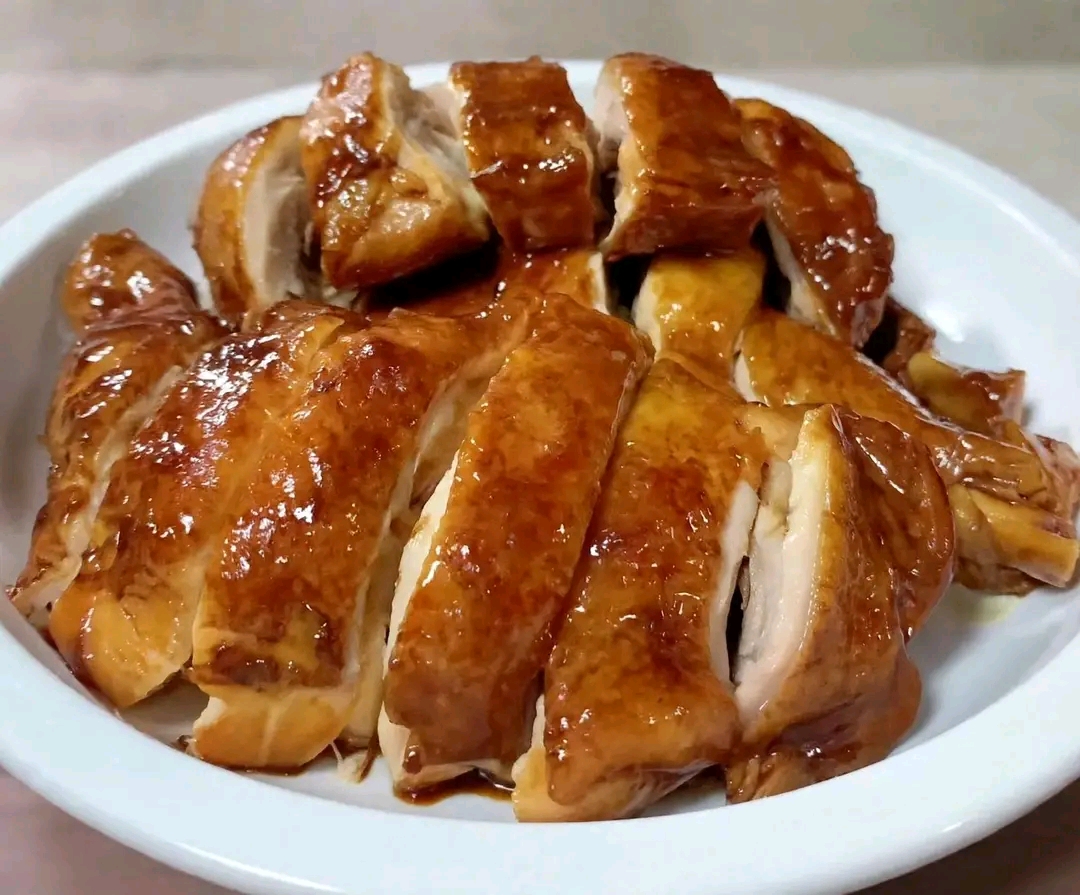
If you love tender chicken coated in a rich, glossy sauce, these Cantonese Soy Sauce Chicken Thighs are a recipe you absolutely need to try! Inspired by traditional Cantonese soy sauce cooking, this delicious dish combines juicy chicken thighs with soy sauce, garlic, ginger, fragrant spices, and a touch of sweetness.
The chicken slowly simmers in a flavorful sauce until it becomes beautifully glazed, tender, and full of savory goodness. Every bite offers a wonderful balance of salty, sweet, and aromatic flavors that taste just like something you might order from your favorite Chinese restaurant.
The best part? You can prepare this comforting meal at home using simple ingredients. Serve it over steamed rice with fresh vegetables, and you will have a satisfying dinner that your entire family will love.
Whether you are cooking for a busy weeknight, preparing a special family meal, or looking for a new way to enjoy chicken thighs, this recipe is guaranteed to become a favorite.
Recipe Information
- Preparation Time: 15 minutes
- Marinating Time: 30 minutes (optional)
- Cooking Time: 35–45 minutes
- Total Time: Approximately 1 hour
- Servings: 4 people
- Cuisine: Cantonese-inspired Chinese
- Course: Main Course
- Cooking Method: Stovetop simmering and glazing
- Flavor: Sweet, savory, aromatic, and rich
Ingredients
For the Chicken
- 8 boneless, skinless chicken thighs, approximately 2 pounds (900 g)
- 1 tablespoon neutral cooking oil
- 4 cloves garlic, minced
- 1 tablespoon freshly grated ginger
- 3 green onions, cut into large pieces
- 1 teaspoon sesame oil (optional)
- Sesame seeds and sliced green onions for garnish
For the Cantonese Soy Sauce
- 1/3 cup (80 ml) regular soy sauce
- 2 tablespoons dark soy sauce for a deeper color and glossy appearance
- 1/4 cup (60 ml) Shaoxing cooking wine or dry sherry
- 2 tablespoons brown sugar or rock sugar
- 1 cup (240 ml) chicken broth or water
- 1 tablespoon oyster sauce
- 1 star anise
- 1 small cinnamon stick
- 2 slices fresh ginger
- 1/4 teaspoon ground white pepper
- 1 teaspoon cornstarch mixed with 1 tablespoon cold water, optional for thickening
Optional additions: A small piece of orange peel or a few drops of honey can add extra fragrance and sweetness.
Ingredient note: Dark soy sauce mainly contributes color and depth, while regular soy sauce supplies much of the salty flavor. If you only have regular soy sauce, you can still make this recipe, although the finished chicken may be lighter in color.
Instructions
Step 1: Prepare the Chicken
Pat the chicken thighs dry with paper towels. This helps them brown more evenly and allows the sauce to cling beautifully.
Trim away any excess fat if desired. For deeper flavor, season the chicken lightly with a little white pepper and one teaspoon of soy sauce. Let it rest for 15–30 minutes if you have time.
Avoid adding too much salt because soy sauce and oyster sauce already contain plenty of sodium.
Step 2: Prepare the Sauce
In a bowl, combine the regular soy sauce, dark soy sauce, Shaoxing wine, brown sugar, oyster sauce, and chicken broth.
Stir until the sugar begins to dissolve. Set the mixture aside while you prepare the chicken.
Keep the star anise and cinnamon stick ready to add directly to the cooking liquid.
Step 3: Sear the Chicken
Heat the cooking oil in a large, deep skillet or saucepan over medium-high heat.
Place the chicken thighs in a single layer. Cook for approximately 3–4 minutes on each side until lightly golden.
You do not need to cook the chicken completely at this stage. The goal is to develop flavor and create a delicious base for the sauce.
If your pan is small, brown the chicken in batches rather than overcrowding it.
Transfer the chicken to a plate temporarily.
Step 4: Cook the Garlic and Ginger
Reduce the heat to medium. Add the minced garlic, grated ginger, and green onion pieces to the same pan.
Stir for about 30–60 seconds until fragrant. Be careful not to burn the garlic, as burnt garlic can make the sauce taste bitter.
Add the star anise and cinnamon stick, allowing their aromas to develop briefly.
Step 5: Add the Soy Sauce Mixture
Pour the prepared sauce into the pan, scraping the bottom gently with a wooden spoon to release any browned bits.
Bring the mixture to a gentle simmer. Return the chicken thighs to the pan and turn them over to coat both sides in the flavorful liquid.
The chicken should be partially submerged in the sauce.
Step 6: Simmer Until Tender
Reduce the heat to low, cover the pan partially, and simmer for approximately 25–35 minutes, turning the chicken occasionally.
The sauce will gradually become darker and more aromatic as the chicken absorbs the flavors.
Cooking time depends on the thickness of the thighs. The chicken is ready when it is tender and reaches an internal temperature of at least 165°F (74°C).
For especially tender chicken, you can continue cooking gently a little longer, provided there is enough liquid to prevent the sauce from burning.
Step 7: Create the Glossy Finish
Remove the lid and transfer the chicken to a clean plate temporarily.
Let the sauce simmer uncovered for 5–10 minutes, stirring occasionally, until it reduces slightly and develops a rich, shiny appearance.
If you prefer a thicker sauce, stir the cornstarch and cold water together until smooth. Add a little at a time to the simmering sauce, stirring until it reaches your desired consistency.
Return the chicken to the pan and turn each piece in the sauce until beautifully coated.
Stir in the sesame oil, if using, and remove the star anise and cinnamon stick before serving.
Step 8: Garnish and Serve
Arrange the chicken thighs on a serving platter. Spoon the glossy sauce over the top and sprinkle with sesame seeds and freshly sliced green onions.
Serve immediately while the chicken is warm and juicy.
The sauce is delicious spooned over steamed rice, noodles, or vegetables.
Preparation Methods
Method 1: Traditional Stovetop Simmering
This is the recommended method for achieving tender chicken and a deeply flavored sauce.
Searing the chicken first develops savory flavors, while slow simmering allows the ginger, garlic, soy sauce, and spices to infuse the meat. Reducing the cooking liquid at the end produces the signature glossy finish.
Method 2: Oven-Braised Chicken
Preheat the oven to 350°F (175°C). Sear the chicken and prepare the sauce in an oven-safe pan as described above.
Cover the pan and cook for approximately 30–40 minutes, checking that the chicken reaches a safe internal temperature. Remove the lid toward the end if necessary, then reduce the sauce on the stovetop until glossy.
Method 3: Slow Cooker
Brown the chicken first for better flavor. Transfer it to a slow cooker with the garlic, ginger, soy sauce mixture, and spices.
Cook on low for approximately 3–4 hours, or until the chicken is tender and safely cooked. Transfer the sauce to a saucepan and simmer it separately to thicken before coating the chicken.
Slow cooker times vary, so check the chicken rather than relying on time alone.
Method 4: Boneless or Bone-In Chicken
Boneless thighs are convenient, cook relatively quickly, and are easy to serve over rice.
Bone-in thighs can provide additional flavor but usually require more cooking time. Check doneness near the bone and confirm that the thickest part reaches 165°F (74°C).
The History of Cantonese Soy Sauce Chicken
Soy sauce chicken is associated with Cantonese cooking, a culinary tradition originating in Guangdong Province in southern China.
Cantonese cuisine is known for its emphasis on fresh ingredients, balanced seasoning, aromatic sauces, and cooking methods that highlight the natural flavor of the main ingredient.
One well-known preparation is soy sauce chicken, in which chicken is gently cooked in a seasoned soy-based liquid often flavored with ginger, garlic, sugar, and Chinese spices. The resulting meat is tender, aromatic, and deeply colored.
In traditional Chinese cooking, a seasoned braising liquid may be reused and refreshed over time, developing layers of flavor. This type of preparation is often associated with lou mei, a Cantonese style of cooking ingredients in a seasoned master stock.
This home-style chicken thigh recipe takes inspiration from those flavors while adapting the method for an everyday kitchen. It is not intended to represent one single authentic regional formula, but it captures the comforting combination of soy sauce, sweetness, aromatics, and tender chicken that makes this style of cooking so popular.
Today, soy sauce chicken is enjoyed in many Chinese restaurants and homes around the world, often served with rice, noodles, or simple vegetable dishes.
Nutritional Benefits
Chicken thighs provide protein and several important nutrients, while the ginger, garlic, and green onions contribute flavor and small amounts of vitamins and other beneficial plant compounds.
1. A Source of Protein
Chicken provides protein, which helps the body maintain and repair muscles and other tissues. Pairing it with vegetables and whole grains can help create a balanced meal.
2. Provides Important Nutrients
Chicken contains nutrients such as vitamin B6, niacin, selenium, and phosphorus. The exact amounts depend on the cut, portion size, and preparation method.
3. Ginger Adds Fragrance and Flavor
Fresh ginger contributes a warm, aromatic taste. It also contains natural compounds that have been studied for their potential health effects, although the amounts in a serving of this recipe should not be considered a treatment for any condition.
4. Garlic Enhances Flavor
Garlic gives the sauce its distinctive savory aroma. It allows you to build flavor without relying entirely on additional salt.
5. A Satisfying Family Meal
When served with rice or another grain and a generous portion of vegetables, soy sauce chicken can be part of a filling, balanced meal.
6. Easy to Adapt
You can make the dish lighter by trimming excess fat, reducing the sugar, using less sauce, and choosing reduced-sodium soy sauce.
A nutritional note: Soy sauce, oyster sauce, and cooking wine can contribute significant sodium. The exact nutrition per serving depends on the ingredients, chicken size, and how much sauce is consumed. This dish should not be considered a medicinal food.
Tips for the Best Soy Sauce Chicken Thighs
- Use chicken thighs: Their natural fat and texture help keep them juicy during simmering.
- Do not skip searing: Browning the chicken creates extra flavor.
- Balance the sweetness: Start with less sugar if you prefer a more savory sauce, then adjust to taste.
- Use dark soy sauce for color: It gives the chicken a deeper brown appearance.
- Keep the heat low: A gentle simmer helps the chicken cook evenly and keeps the sauce from reducing too quickly.
- Turn the chicken occasionally: This helps every piece absorb the flavor.
- Reduce the sauce at the end: This is the secret to a thick, glossy coating.
- Avoid excessive thickener: Too much cornstarch can make the sauce sticky rather than silky.
- Taste before serving: If the sauce is too salty, add a little water or unsalted broth.
- Keep food safety in mind: Cook chicken to an internal temperature of 165°F (74°C).
Serving Suggestions
These juicy soy sauce chicken thighs pair beautifully with a variety of side dishes.
Steamed Jasmine Rice
Fluffy jasmine rice absorbs the savory, slightly sweet sauce and makes a simple, satisfying meal.
Chinese-Style Fried Rice
Serve the chicken with vegetable fried rice for a more substantial dinner. Because the chicken sauce is already flavorful, keep the fried rice seasoning relatively light.
Garlic Bok Choy
Lightly sautéed bok choy with garlic offers a fresh, crisp contrast to the rich sauce.
Stir-Fried Vegetables
Broccoli, carrots, snow peas, bell peppers, and mushrooms all work wonderfully alongside the chicken.
Egg Noodles
Toss cooked noodles with a small amount of the glossy sauce and serve the sliced chicken on top.
Cucumber Salad
A refreshing cucumber salad with rice vinegar can balance the richness of the chicken and make the meal feel lighter.
Storage and Reheating
Refrigeration
Allow the cooked chicken to cool slightly, then transfer it to an airtight container with some of the sauce.
Refrigerate within two hours of cooking and consume within 3–4 days.
Freezing
For longer storage, freeze the chicken with its sauce in a freezer-safe container. For best quality, use within approximately 2–3 months.
Thaw in the refrigerator before reheating.
Reheating on the Stovetop
Place the chicken and sauce in a saucepan over low to medium-low heat. Add a splash of water or unsalted broth if the sauce has become too thick.
Cover and heat until the chicken is steaming hot throughout, stirring or turning the pieces occasionally.
Reheating in the Microwave
Place the chicken in a microwave-safe dish with a little sauce. Cover loosely and heat in short intervals, turning the chicken as needed, until thoroughly hot.
Avoid repeatedly reheating the entire batch. Reheat only the portion you plan to eat.
Frequently Asked Questions
Can I use chicken breasts instead of thighs?
Yes. Chicken breasts can be used, but they are leaner and may dry out if simmered for too long. Adjust the cooking time according to their thickness and check that they reach 165°F (74°C).
Can I make the recipe without Shaoxing wine?
Yes. Dry sherry is a common substitute. You can also omit the wine and use additional chicken broth, although the finished flavor will be slightly different.
Why is my sauce not glossy?
The sauce may need more time to reduce. Simmer it uncovered for a few extra minutes, watching carefully to prevent burning. A small amount of cornstarch slurry can help if you prefer a thicker finish.
Can I make it less sweet?
Absolutely. Reduce the brown sugar to one tablespoon or adjust it to your taste. The sauce will still be savory and flavorful.
Can I prepare the chicken ahead of time?
Yes. You can cook the chicken a day ahead, refrigerate it with the sauce, and reheat it gently before serving. The flavors may become even more developed after resting overnight.
Is this recipe spicy?
No. The standard recipe is mild and aromatic. If you enjoy heat, add a little chili oil or sliced fresh chili when serving.
Common Mistakes to Avoid
Cooking over high heat for too long: This can make the sauce reduce too quickly and burn before the chicken becomes tender.
Adding too much soy sauce: This can overwhelm the natural chicken flavor and make the finished dish excessively salty.
Skipping the sauce reduction: Simmering the sauce uncovered at the end is important for achieving a glossy finish.
Overcooking boneless thighs: Although thighs are forgiving, cooking them much longer than necessary can affect their texture.
Forgetting the side dishes: Rice and vegetables help balance the rich sauce and turn the chicken into a complete meal.
Conclusion
These Cantonese Soy Sauce Chicken Thighs bring together everything that makes a comforting homemade dinner special: tender chicken, fragrant garlic and ginger, a rich soy-based sauce, and a beautiful glossy finish.
The recipe uses straightforward ingredients and an easy stovetop method, making it suitable for beginners as well as experienced home cooks. Whether you serve it over steamed rice, alongside stir-fried vegetables, or with a bowl of warm noodles, it is a delicious way to bring restaurant-inspired flavor to your family table.
Once you learn the simple technique of searing, gently simmering, and reducing the sauce, you can adjust the sweetness and seasoning to suit your preferences.
Give this recipe a try the next time you want something sweet, savory, juicy, and satisfying. It may become one of those dishes your family asks you to make again and again!