Introduction
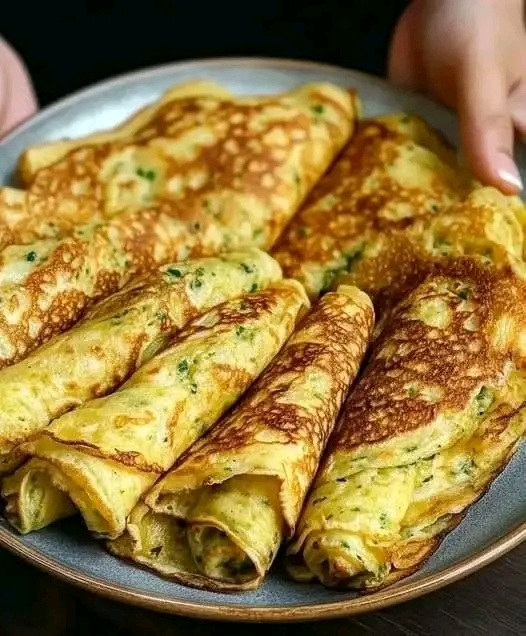
If you are looking for a delicious, easy, and nutritious way to enjoy more vegetables, these Healthy Vegetable Pancakes are the perfect recipe to try! Crispy on the outside, tender on the inside, and packed with colorful vegetables, these savory pancakes turn simple everyday ingredients into a meal that the whole family will love.
Made with fresh zucchini, carrots, potatoes, onions, and a few basic pantry ingredients, these vegetable pancakes are flavorful, satisfying, and wonderfully versatile. They are perfect for breakfast, lunch, dinner, or even as a quick snack between meals.
The best part? You do not need expensive ingredients or complicated cooking techniques. With a little preparation and a hot skillet, you can make golden vegetable pancakes that taste amazing and look beautiful on the plate.
Serve them with creamy garlic yogurt sauce, fresh herbs, or your favorite dipping sauce for an extra burst of flavor. Whether you are trying to eat more vegetables, prepare a budget-friendly meal, or simply discover a new family favorite, this recipe deserves a place in your kitchen.
Recipe Information
- Recipe Name: Healthy Vegetable Pancakes
- Preparation Time: 15 minutes
- Cooking Time: 20 minutes
- Total Time: Approximately 35 minutes
- Servings: 4 people
- Difficulty: Easy
- Cuisine: Vegetable-inspired homemade cooking
- Cooking Method: Pan-frying
- Main Ingredients: Zucchini, carrots, potatoes, eggs, and flour
- Flavor Profile: Savory, fresh, lightly sweet, and crispy
- Best For: Breakfast, lunch, dinner, snacks, and light meals
Ingredients
This recipe uses simple, affordable ingredients that combine to create delicious vegetable pancakes with a beautiful golden crust.
Main Ingredients
- 1 medium zucchini, grated
- 2 medium carrots, peeled and grated
- 1 medium potato, peeled and grated
- 1 small onion, finely chopped or grated
- 2 large eggs
- ½ cup all-purpose flour
- 2 tablespoons chopped fresh parsley
- 1 small garlic clove, minced
- ½ teaspoon salt, or to taste
- ¼ teaspoon ground black pepper
- ½ teaspoon paprika
- ¼ teaspoon dried oregano, optional
- 2–3 tablespoons olive oil or vegetable oil, for cooking
Optional Ingredients for Extra Flavor
- ¼ cup grated Parmesan cheese
- 2 tablespoons chopped green onions
- A pinch of chili flakes for gentle heat
- ½ teaspoon garlic powder
- 1 tablespoon cornstarch for extra crispiness
For the Creamy Yogurt Dipping Sauce
- ½ cup plain Greek yogurt
- 1 teaspoon lemon juice
- 1 small garlic clove, finely minced
- 1 tablespoon chopped fresh parsley or dill
- A pinch of salt
- A little black pepper
The dipping sauce is optional, but its cool, creamy texture complements the warm, crispy pancakes beautifully.
Instructions
Step 1: Prepare the Vegetables
Wash the zucchini and carrots thoroughly. Peel the carrots and potato, then grate all three vegetables using the large holes of a box grater.
Finely chop or grate the onion and mince the garlic.
Place the grated zucchini in a clean kitchen towel and squeeze firmly to remove as much excess moisture as possible. Repeat with the potato if it releases a lot of liquid.
This step is especially important because watery vegetables can make the pancakes soft and difficult to flip.
Step 2: Combine the Ingredients
Place the grated zucchini, carrots, potato, and onion in a large mixing bowl.
Add the eggs, flour, parsley, garlic, salt, black pepper, paprika, and oregano if using.
Stir everything together until the vegetables are evenly coated and the mixture holds together when pressed with a spoon.
If the mixture appears too wet, add another tablespoon of flour. If it seems too dry, allow the mixture to rest for a minute before deciding whether a little extra beaten egg is needed.
For extra flavor, fold in the Parmesan cheese or chopped green onions.
Step 3: Prepare the Skillet
Place a large nonstick skillet over medium heat.
Add enough olive oil to lightly coat the bottom of the pan. Allow the oil to heat for a minute or two.
To test the temperature, add a tiny amount of the vegetable mixture. It should sizzle gently without browning immediately.
Avoid using excessively high heat, as the outside may burn before the vegetables cook through.
Step 4: Shape the Pancakes
Scoop approximately 2 tablespoons of the vegetable mixture into the skillet for each pancake.
Flatten each portion gently with the back of a spoon to form a small, even pancake about ½ inch thick.
Leave a little space between the pancakes so they cook evenly and are easy to turn.
Depending on the size of your skillet, cook three or four pancakes at a time rather than overcrowding the pan.
Step 5: Cook Until Golden and Crispy
Cook the pancakes for approximately 3–4 minutes on the first side, until the bottoms become golden brown and crisp.
Carefully flip each pancake with a thin spatula and cook for another 3–4 minutes.
The vegetables should become tender, and the center should be fully cooked. Adjust the heat as necessary to prevent the outside from becoming too dark.
Transfer the cooked pancakes to a plate lined with paper towels or, for better crispness, place them on a wire rack.
Repeat with the remaining mixture, adding a little more oil to the skillet whenever necessary.
Step 6: Make the Yogurt Sauce
While the pancakes finish cooking, combine the Greek yogurt, lemon juice, minced garlic, parsley or dill, salt, and black pepper in a small bowl.
Mix until smooth and creamy.
Taste the sauce and adjust the lemon juice or seasoning to your preference. Refrigerate it briefly if you prefer a cooler dip.
Step 7: Serve and Enjoy
Arrange the warm vegetable pancakes on a serving plate.
Sprinkle with fresh parsley or green onions and serve immediately with the yogurt dipping sauce.
For a complete meal, pair them with a fresh green salad, sliced tomatoes, or a bowl of soup.
Enjoy every crispy, flavorful bite!
Preparation Methods
There are several ways to prepare these healthy vegetable pancakes, depending on your preferred texture, available equipment, and cooking style.
Method 1: Traditional Pan-Frying
Pan-frying is the best choice when you want a beautifully golden crust and a soft, tender center.
Use medium heat, avoid overcrowding the skillet, and cook the pancakes in small batches. A modest amount of oil helps create a crisp surface without requiring deep-frying.
Method 2: Oven-Baked Vegetable Pancakes
If you prefer to use less oil, baking is an excellent alternative.
- Preheat the oven to 400°F (200°C).
- Line a baking tray with parchment paper.
- Prepare the vegetable mixture as directed.
- Shape the pancakes and arrange them in a single layer.
- Brush or lightly spray both sides with olive oil.
- Bake for approximately 20–25 minutes, flipping halfway through.
- Continue cooking until the pancakes are golden and the vegetables are tender.
The texture may be slightly different from pan-fried pancakes, but baking makes it easy to prepare a larger batch.
Method 3: Air-Fryer Vegetable Pancakes
For an alternative with a crisp exterior and less added oil, try the air fryer.
- Preheat the air fryer to 375°F (190°C), following your appliance’s instructions.
- Lightly grease the basket.
- Arrange the shaped pancakes in a single layer.
- Lightly spray the tops with oil.
- Cook for approximately 10–14 minutes, turning halfway through.
Cooking time varies with pancake thickness and the air fryer model. Check that the centers are cooked before serving.
Method 4: Extra-Crispy Vegetable Pancakes
For particularly crispy pancakes, follow these simple techniques:
- Squeeze as much moisture as possible from the zucchini.
- Drain excess liquid from the grated potato.
- Use a coarse grater for a pleasant vegetable texture.
- Keep the pancakes relatively thin.
- Avoid overcrowding the pan.
- Let the skillet return to temperature between batches.
- Place cooked pancakes on a wire rack rather than stacking them.
These small details make a significant difference in the final texture.
The History of Vegetable Pancakes
Vegetable pancakes have a long culinary tradition across many parts of the world. Although the ingredients and cooking techniques vary, the basic idea is simple: combine vegetables with a binding ingredient and cook the mixture until golden.
In European cooking, potato pancakes became popular as a practical way to transform inexpensive potatoes into a satisfying dish. Different regions developed their own versions, often adding onions, eggs, flour, herbs, or local seasonings.
In East Asian cuisines, savory pancakes featuring vegetables such as cabbage, scallions, and carrots also became well-loved dishes. Some versions use a thin batter, while others contain generous amounts of vegetables.
Meanwhile, cooks throughout the Mediterranean have long combined seasonal vegetables, herbs, olive oil, and simple binding ingredients to create economical meals.
Today’s healthy vegetable pancakes bring together the same practical principles. They are adaptable, budget-friendly, and a wonderful way to use vegetables already available in the refrigerator.
Although this particular combination is a modern home-cooking variation rather than one traditional historical recipe, it reflects a timeless approach to cooking: making everyday ingredients delicious with a little creativity.
Nutritional Benefits of Healthy Vegetable Pancakes
These pancakes can be a tasty way to include more vegetables in your daily meals. Their nutritional value depends on the ingredient quantities, serving size, and amount of oil used.
1. Carrots Provide Beta-Carotene
Carrots contain beta-carotene, which the body can convert into vitamin A. Vitamin A supports normal vision, immune function, and healthy skin.
Their natural sweetness also adds flavor and color to the pancakes.
2. Zucchini Adds Moisture and Nutrients
Zucchini provides water, fiber, and several vitamins and minerals, including vitamin C and potassium.
Its mild flavor blends easily with the other vegetables, making it a useful ingredient for both children and adults.
3. Potatoes Provide Energy
Potatoes supply carbohydrates that the body uses for energy. They also provide potassium and vitamin C.
Keeping the skin on a thoroughly washed potato is another option if you want to include more fiber, although the texture may change slightly.
4. Onions and Garlic Add Flavor
Onions and garlic contribute aromatic flavor, allowing you to create satisfying pancakes without relying on excessive salt.
They also contain various plant compounds that contribute to a varied, balanced diet.
5. Eggs Provide Protein
Eggs help hold the vegetable mixture together while contributing protein and nutrients such as vitamin B12 and choline.
Protein is important for maintaining and repairing body tissues.
6. Olive Oil Provides Unsaturated Fat
When used in moderate amounts, olive oil contributes unsaturated fats to the recipe.
The quantity of oil matters, however, because oils are calorie-dense. Measuring the oil rather than pouring freely into the pan can help control the overall energy content.
7. A Flexible Way to Eat More Vegetables
One of the biggest advantages of this recipe is its versatility. You can adjust the vegetables according to what is available and serve the pancakes alongside other nutritious foods.
Pairing them with yogurt, beans, eggs, or a fresh salad can help create a more balanced meal.
Important nutritional note: These pancakes are not automatically low-calorie or suitable for every dietary requirement. Flour, eggs, cheese, and cooking oil all affect the final nutritional profile. The recipe contains eggs and wheat unless modified.
Tips for Perfect Vegetable Pancakes
Remove Excess Moisture
This is the most important tip. Zucchini and potatoes can release a surprising amount of water. Squeezing them well helps the mixture hold together and encourages browning.
Choose the Right Grater
A medium or coarse grater creates visible vegetable strands and a pleasant texture. Very finely grated vegetables can produce a softer mixture.
Season Before Cooking
Salt, pepper, garlic, paprika, and herbs give the pancakes a delicious savory flavor. Taste the mixture before cooking, keeping in mind that raw egg means you should not taste it uncooked. Instead, cook a small test pancake and adjust the remaining mixture.
Do Not Make the Pancakes Too Thick
Thin to medium pancakes cook more evenly and develop a crispier exterior. Thick pancakes may brown outside before the vegetables are fully tender.
Flip Carefully
Wait until the bottom has formed a firm golden crust before turning each pancake. A thin spatula makes the process easier.
Keep Finished Pancakes Warm
If you are cooking several batches, place the finished pancakes on a wire rack in a low oven at approximately 200°F (95°C). This helps keep them warm while limiting trapped steam.
Adjust the Flour Gradually
Vegetables differ in moisture content. Start with the stated amount of flour, then add a little more if the mixture is too loose.
Delicious Variations to Try
Cheesy Vegetable Pancakes
Add ¼ cup grated cheddar or Parmesan cheese. The cheese creates a richer flavor and helps the pancakes develop an appealing golden crust.
Mediterranean Vegetable Pancakes
Add chopped parsley, oregano, a little crumbled feta, and finely chopped spinach. Serve with lemon yogurt sauce.
Spicy Vegetable Pancakes
Mix in a pinch of cayenne pepper, chili flakes, or a little chopped fresh chili for a warmer flavor.
Broccoli and Carrot Pancakes
Replace some of the zucchini with finely chopped, lightly steamed broccoli. Drain it thoroughly before adding it to the mixture.
Sweet Potato Pancakes
Replace the regular potato with grated sweet potato for a slightly sweeter flavor and a colorful appearance.
Gluten-Free Vegetable Pancakes
Replace the all-purpose flour with a suitable gluten-free flour blend. You may need to adjust the quantity slightly to achieve a mixture that holds together.
Egg-Free Vegetable Pancakes
For an egg-free version, use a suitable commercial egg replacer and adjust the flour or starch as needed. The texture may be softer, so make smaller pancakes and turn them carefully. Check that all other ingredients meet your dietary needs.
Serving Suggestions
Healthy vegetable pancakes can be served in many delicious ways.
For breakfast: Serve with scrambled eggs, sliced tomatoes, and fresh herbs.
For lunch: Pair them with a cucumber salad, cherry tomatoes, and a creamy yogurt dip.
For dinner: Serve alongside grilled chicken, baked fish, lentils, or a hearty vegetable soup.
For a party platter: Make smaller pancakes and arrange them on a tray with several dipping sauces.
For a vegetarian meal: Serve with chickpeas, hummus, or a protein-rich yogurt sauce.
For children: Make small, easy-to-hold pancakes and serve them with a mild dip.
You can also use the pancakes as a savory alternative to bread, topping them with avocado, cottage cheese, or sliced tomatoes.
Storage and Reheating
Refrigeration
Allow the cooked pancakes to cool promptly, then place them in an airtight container and refrigerate within two hours of cooking.
For best quality, use them within 3–4 days.
Freezing
Arrange fully cooled pancakes in a single layer on a tray and freeze until firm. Transfer them to a freezer-safe container or bag, separating layers with parchment paper.
For best texture, use within approximately 2 months.
Reheating in a Skillet
Warm the pancakes in a lightly oiled skillet over medium-low heat for a few minutes on each side until hot throughout.
Reheating in the Oven
Place them on a baking tray and heat at 350°F (175°C) until thoroughly hot.
Reheating in an Air Fryer
Heat at approximately 350°F (175°C) for 3–5 minutes, checking regularly to avoid over-browning.
A microwave can also be used, although the pancakes will generally become softer rather than crispy.
Frequently Asked Questions
Can I prepare the vegetable mixture ahead of time?
It is best to grate and squeeze the vegetables shortly before cooking. If you need to prepare in advance, refrigerate the prepared vegetables separately and mix them with the eggs and flour just before cooking.
Why do my vegetable pancakes fall apart?
The mixture may contain too much moisture, not enough binding ingredients, or pancakes may be flipped before the bottom has browned sufficiently. Squeeze the vegetables thoroughly, adjust the flour gradually, and allow each side to cook until firm.
Can I make this recipe without potatoes?
Yes. You can replace the potato with extra zucchini, carrots, broccoli, or sweet potato. Because each vegetable has a different moisture content, you may need to adjust the flour.
Are vegetable pancakes suitable for meal preparation?
Yes. Cook a batch in advance, refrigerate it safely, and reheat individual portions when needed. For the best crispness, use a skillet, oven, or air fryer.
Can I make them without frying?
Absolutely. Baking and air-frying are useful alternatives that generally require less added oil. The final texture will differ slightly from traditional pan-fried pancakes.
What is the best sauce to serve with them?
Garlic yogurt sauce is an excellent choice, but sour cream, tzatziki, hummus, tomato salsa, or a simple lemon-herb dressing also work well.
Common Mistakes to Avoid
- Skipping the squeezing step: Excess water can make the pancakes soggy.
- Adding too much flour: This can make the texture heavy instead of tender.
- Using very high heat: The outside may burn before the center cooks.
- Overcrowding the skillet: This lowers the pan temperature and reduces browning.
- Flipping too early: The pancakes may break before they form a crust.
- Stacking them immediately: Trapped steam can soften the crispy exterior.
- Using too much oil: The pancakes can become greasy and heavier than intended.
Paying attention to these details will help you achieve consistently delicious results.
Conclusion
These Healthy Vegetable Pancakes are proof that simple ingredients can create something truly special. With grated zucchini, carrots, potatoes, onions, fresh herbs, and a few pantry staples, you can prepare a colorful, flavorful meal that is both comforting and versatile.
Their golden exterior, tender center, and savory flavor make them suitable for breakfast, lunch, dinner, or a satisfying snack. You can customize the recipe with different vegetables, add cheese for richness, or choose the oven and air fryer for alternative cooking methods.
They are also a practical way to reduce food waste, use leftover vegetables, and bring more variety to everyday meals.
Whether you serve them with garlic yogurt sauce, a crisp salad, or your favorite protein, these vegetable pancakes are easy to adapt to your family’s preferences.
Once you discover how simple they are to prepare, you may find yourself making them again and again!
For the Love of Homemade Food
If you love crispy, golden, homemade recipes that combine delicious flavor with fresh ingredients, these vegetable pancakes are definitely worth trying.
Make them for a relaxed weekend breakfast, prepare a batch for a quick weekday meal, or share them with friends and family as a tasty appetizer.
Give this recipe a try, customize it with your favorite vegetables, and enjoy the delicious results.
If you make these Healthy Vegetable Pancakes, serve them warm, add your favorite sauce, and enjoy every bite. Don’t forget to share the recipe with someone who loves easy homemade cooking!
Happy cooking and bon appétit!