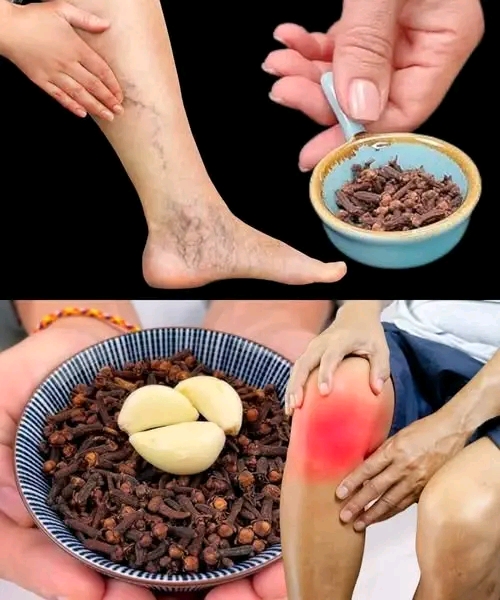
Introduction
Leg pain, stiff joints, tired muscles, and aching knees can make everyday activities feel difficult. Watching someone you love struggle with discomfort can be heartbreaking, especially when you want to find a simple way to help.
Garlic has been used in traditional home remedies for generations, while olive oil and rosemary are popular ingredients in traditional massage preparations. Together, they inspire this homemade garlic-infused oil recipe, designed for a gentle massage and a relaxing self-care routine.
This simple preparation is easy to make with a few familiar ingredients. However, it is important to remember that garlic oil is not a proven treatment for arthritis, rheumatism, varicose veins, or circulation problems. It should never replace medical care, especially when leg pain makes walking difficult.
Ingredients
- 4 fresh garlic cloves
- 1 cup (240 ml) olive oil
- 1 small sprig of fresh rosemary, optional
- A clean, dry glass jar
- A small bowl and a soft towel
Important: These ingredients are intended for a gentle, external self-care preparation, not for treating an underlying medical condition.
Instructions
- Peel the garlic cloves and crush them lightly.
- Place the olive oil in a clean bowl.
- If desired, add a small amount of rosemary for its traditional aromatic qualities.
- For a safer alternative, leave out the fresh garlic and use plain olive oil for massage. Fresh garlic can cause irritation, burns, and blistering when applied to the skin.
- Test a small amount of plain olive oil on a limited area of skin first.
- Gently massage the surrounding muscles with plain olive oil for a few minutes, using light pressure.
- Stop immediately if you experience redness, burning, swelling, or increased pain.
Never apply raw garlic directly to the skin, cover garlic with a tight bandage, or use a homemade garlic preparation on broken or irritated skin.
Methods of Use
Method 1: Gentle Leg Massage
Use a little plain olive oil to massage the muscles gently. Avoid pressing directly on painful joints, swollen veins, or areas that are red or warm.
Method 2: Relaxing Evening Routine
Sit comfortably and elevate your legs slightly if this feels comfortable. Gentle movement and short walks, when medically appropriate, may help some people manage stiffness.
Method 3: Rosemary Relaxation
Enjoy the pleasant aroma of rosemary as part of a relaxing evening routine. Its traditional use does not mean it can remove varicose veins or cure joint disease.
Method 4: A Caring Family Routine
Help an older family member find a comfortable sitting position, support their legs as advised by a healthcare professional, and arrange a medical assessment if pain is persistent or affects walking.
History of Garlic in Traditional Wellness
Garlic has been valued for centuries in many culinary and traditional wellness practices. It has been used in foods, herbal preparations, and household remedies across different cultures.
Olive oil has also played an important role in Mediterranean cooking and skin-care traditions. Rosemary has traditionally been appreciated for its fragrance and use in aromatic preparations.
Although these ingredients have a long history of traditional use, historical popularity is not proof that a remedy treats arthritis, rheumatism, varicose veins, or severe leg pain.
Potential Benefits
1. A relaxing self-care ritual
A gentle massage may feel comforting for some people with ordinary muscle tension.
2. Skin moisturization
Plain olive oil can help soften dry skin, although it may not suit everyone, especially people prone to skin irritation.
3. Comfort and relaxation
A calm evening routine can provide a pleasant opportunity to rest and pay attention to your body’s needs.
4. Garlic as part of a balanced diet
Garlic contains naturally occurring sulfur compounds and can be included in a varied, balanced diet. Eating garlic, however, is not a proven cure for painful joints or varicose veins.
5. Supporting healthy habits
Appropriate movement, comfortable footwear, and medical advice tailored to the cause of leg pain may help support mobility and daily comfort.
Understanding Leg Pain, Arthritis, Rheumatism, and Varicose Veins
Leg pain can have many different causes. Arthritis may cause joint pain and stiffness, while varicose veins can cause aching, heaviness, or swelling. Muscle problems, nerve conditions, and circulation disorders can also cause discomfort.
Because these conditions have different causes, one homemade oil cannot treat them all.
If your mother or another loved one cannot walk because of pain, seek urgent medical assessment rather than relying on a home remedy. Sudden severe pain, one-sided leg swelling, redness, or warmth needs prompt evaluation. Leg swelling accompanied by chest pain or shortness of breath is an emergency.
Important Safety Information
- Do not apply raw garlic directly to the skin.
- Do not massage a swollen, hot, red, or unusually painful leg.
- Do not use massage oil as a substitute for prescribed medication.
- If pain persists or limits normal movement, consult a healthcare professional.
- Ask a pharmacist or clinician before using herbal preparations if you take regular medication or have sensitive skin.
Conclusion
Garlic, olive oil, and rosemary have an interesting place in traditional home wellness, but it is essential to separate traditional practices from treatments supported by medical evidence.
A gentle routine using plain olive oil may be part of a relaxing self-care moment, but it cannot remove varicose veins or cure arthritis or rheumatism. When leg pain becomes severe or walking is difficult, getting the right diagnosis is the most caring and effective first step.
Our loved ones deserve comfort, safety, and the best possible care. ❤️