Introduction
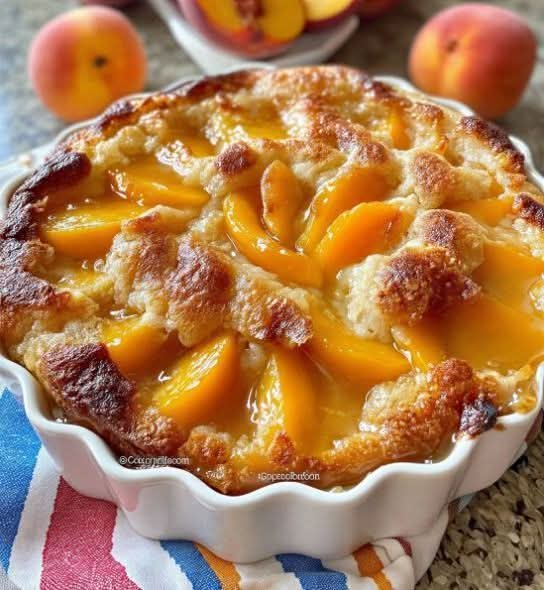
There is something truly special about the smell of fresh peaches baking in the oven. It fills the kitchen with a warm, sweet aroma that brings back memories of summer afternoons, family gatherings, and homemade desserts cooling on the kitchen counter. This Peach Cobbler Pound Cake combines two beloved classics into one irresistible treat: the rich, buttery texture of traditional pound cake and the sweet, cinnamon-spiced flavor of old-fashioned peach cobbler.
Made with ripe, juicy peaches, real butter, vanilla extract, and a touch of warm cinnamon, this cake is soft, moist, and full of comforting flavor. The peaches add natural sweetness and a delicate fruity texture, while the buttery cake creates a tender crumb that practically melts in your mouth.
Whether you serve it at a summer barbecue, a Sunday family dinner, a holiday celebration, or simply alongside your afternoon coffee, this Peach Cobbler Pound Cake is sure to become a favorite. It looks beautiful when sliced, tastes even better the next day, and is delicious served warm with a scoop of vanilla ice cream.
Best of all, you don’t need complicated baking techniques or expensive ingredients to make this wonderful dessert at home.
Recipe Information
- Preparation Time: 25 minutes
- Cooking Time: 65–85 minutes
- Cooling Time: 20–30 minutes
- Total Time: Approximately 2 hours
- Servings: 12–16 slices
- Course: Dessert
- Cuisine: Southern-inspired American
- Difficulty: Intermediate
- Main Ingredients: Fresh peaches, butter, sugar, flour, eggs, vanilla, and cinnamon
Ingredients
For the Pound Cake
- 3 cups all-purpose flour (375 g)
- 1 cup unsalted butter, softened (227 g)
- 2 cups granulated sugar (400 g)
- 5 large eggs, at room temperature
- 1 cup sour cream, at room temperature (240 g)
- 2 teaspoons vanilla extract
- 1 teaspoon baking powder
- ½ teaspoon salt
- ¼ teaspoon ground cinnamon
For the Peach Cobbler Filling
- 3 medium ripe but firm peaches, peeled and diced
- 3 tablespoons brown sugar
- 1 tablespoon unsalted butter
- 1 teaspoon ground cinnamon
- 1 teaspoon lemon juice
- 1 teaspoon cornstarch, if the peaches are particularly juicy
For the Cinnamon Streusel Topping
- ½ cup all-purpose flour (60 g)
- ¼ cup brown sugar (50 g)
- 3 tablespoons cold unsalted butter
- ½ teaspoon ground cinnamon
Optional Vanilla Glaze
- 1 cup powdered sugar (120 g)
- 1–2 tablespoons milk or cream
- ½ teaspoon vanilla extract
Instructions
Step 1: Prepare the Oven and Pan
Preheat your oven to 325°F (165°C). Grease and flour a 10-inch Bundt pan or a suitable 10-inch tube pan, making sure to coat all the corners and grooves.
Properly preparing the pan helps prevent the cake from sticking and makes it easier to release the finished dessert without breaking it.
Step 2: Prepare the Peaches
Wash, peel, and dice the peaches into small pieces.
Place the diced peaches in a skillet with the butter, brown sugar, cinnamon, and lemon juice. Cook over medium-low heat for approximately 4–6 minutes, stirring gently until the peaches begin to soften and release their juices.
If the mixture is very watery, stir in the cornstarch and cook briefly until the juices thicken. Remove from the heat and let the filling cool completely before adding it to the cake batter.
This step concentrates the peach flavor and helps prevent excess moisture from making the pound cake soggy.
Step 3: Make the Cinnamon Streusel
In a small bowl, combine the flour, brown sugar, and cinnamon.
Add the cold butter and rub it into the dry ingredients using your fingertips or a fork until the mixture resembles coarse crumbs.
Place the streusel in the refrigerator while you prepare the cake batter. Keeping the butter cold helps the topping retain its crumbly texture during baking.
Step 4: Cream the Butter and Sugar
In a large mixing bowl, beat the softened butter and granulated sugar using an electric mixer for approximately 4–5 minutes.
Continue until the mixture looks pale, fluffy, and creamy.
This important step incorporates air into the batter, helping create a lighter texture despite the cake’s rich, dense pound-cake structure.
Step 5: Add the Eggs and Vanilla
Add the eggs one at a time, beating well after each addition.
Scrape down the sides of the bowl as needed to ensure everything is evenly mixed. Add the vanilla extract and combine.
If the mixture looks slightly curdled, don’t worry too much; adding the flour gradually should help bring the batter together.
Step 6: Combine the Dry Ingredients
In a separate bowl, whisk together the flour, baking powder, salt, and cinnamon.
Add the dry ingredients to the butter mixture in three additions, alternating with the sour cream. Begin and end with the flour mixture.
Mix on low speed only until the ingredients are combined. Avoid overmixing, because excessive mixing can make the finished cake tough.
Step 7: Assemble the Cake
Spread approximately half of the batter into the prepared pan.
Spoon a portion of the cooled peach filling over the batter, keeping most of the fruit away from the edges of the pan. Add the remaining batter and gently smooth the top.
Distribute the remaining peaches over the batter as appropriate for your pan, pressing them in lightly. Sprinkle the cinnamon streusel over the top if your pan design allows.
For a classic Bundt cake, you can reserve the streusel for serving or use it as a topping after turning out the cake.
Baking tip: Avoid adding too much peach syrup to the batter. Excess liquid can affect the cake’s structure.
Step 8: Bake the Pound Cake
Place the pan on the center rack of the preheated oven.
Bake for approximately 65–85 minutes, checking toward the end of the baking time. The exact time will depend on your pan, oven, and the moisture content of the peaches.
Insert a long wooden skewer into the cake portion. It should come out clean or with a few moist crumbs, not wet batter. If you encounter a piece of peach, test another spot.
If the top browns too quickly, loosely cover it with aluminum foil during the final part of baking.
Step 9: Cool the Cake
Remove the cake from the oven and let it rest in the pan for 15–20 minutes.
Carefully invert it onto a wire rack and allow it to cool completely before glazing or slicing. Pound cake is delicate while hot, and cutting it too early may cause it to crumble.
Step 10: Prepare the Vanilla Glaze
Whisk the powdered sugar, vanilla extract, and one tablespoon of milk in a small bowl.
Add more milk a little at a time until the glaze reaches a thick but pourable consistency.
Drizzle the glaze over the cooled cake. If desired, finish with a light sprinkle of cinnamon or a few thin slices of fresh peach just before serving.
Preparation Methods
Method 1: Traditional Pound Cake Method
The traditional method begins by creaming butter and sugar until light and fluffy, followed by adding eggs and incorporating the dry ingredients.
This technique gives the cake its characteristic rich flavor, tender crumb, and satisfying texture. Room-temperature ingredients are especially helpful because they combine more evenly.
Method 2: Peach Cobbler Filling Method
Cooking the peaches briefly before baking creates a concentrated fruit filling reminiscent of homemade peach cobbler.
Cinnamon adds warmth, brown sugar deepens the sweetness, and lemon juice brightens the fruit flavor. Allowing the filling to cool before assembling the cake helps protect the batter’s texture.
Method 3: Streusel Topping Method
A simple mixture of flour, brown sugar, butter, and cinnamon creates a crumbly topping that adds a pleasant contrast to the soft cake.
For a more cobbler-like finish, sprinkle the streusel over a suitable baking pan before baking or serve toasted streusel crumbs over each slice. If using a decorative Bundt pan, make sure the topping doesn’t interfere with releasing the cake.
Method 4: Glazed Finishing Method
A light vanilla glaze adds sweetness and an attractive finish without overwhelming the peach flavor.
For a more rustic presentation, skip the glaze and dust the cake lightly with powdered sugar. For a richer dessert, serve each slice with whipped cream or vanilla ice cream.
The History of Peach Cobbler and Pound Cake
Peach cobbler and pound cake have separate but complementary histories in American baking.
Pound cake originated in Europe, with early versions traditionally using a pound each of butter, sugar, eggs, and flour. The simple formula made it memorable and easy to adapt, and over time bakers developed variations using leavening agents, flavorings, and ingredients such as sour cream to create softer, more tender cakes.
Cobblers became popular in early American cooking, where home cooks adapted familiar fruit desserts to the ingredients and cooking equipment available to them. Unlike traditional pies, cobblers typically feature fruit covered with a biscuit-like, cake-like, or other rustic topping.
Peaches became especially associated with Southern American desserts because of their abundance in warm growing regions. Peach cobbler eventually became a beloved way to use ripe seasonal fruit.
Peach Cobbler Pound Cake brings these traditions together. It combines the buttery richness of pound cake with the fruity sweetness and cinnamon warmth of peach cobbler, creating a modern homemade dessert inspired by classic comfort food.
Benefits and Nutritional Highlights
This cake is primarily a dessert, but its ingredients offer a few nutritional qualities worth appreciating.
1. Peaches Provide Vitamins
Peaches contain vitamin C, carotenoids, and other plant compounds. They also contribute water and some dietary fiber, especially when eaten with their skin.
2. Butter Contributes Richness
Butter gives pound cake its signature flavor and texture. It also provides fat-soluble vitamins in small amounts, but it is high in saturated fat, so enjoying this dessert in moderate portions is sensible.
3. Eggs Provide Protein
Eggs contribute protein and nutrients such as vitamin B12 and choline. They also help bind the batter and give the cake structure.
4. Sour Cream Improves Texture
Sour cream contributes moisture, a mild tang, and richness. Its acidity also complements the sweetness of the peaches.
5. Cinnamon Adds Flavor
Cinnamon provides a fragrant, warming flavor that allows the cake to taste full and satisfying without relying entirely on extra sugar.
An Important Nutritional Note
Peach Cobbler Pound Cake contains sugar, refined flour, and substantial fat. It should be enjoyed as an occasional treat rather than as a health food. The peaches provide some nutrients, but they do not cancel out the dessert’s overall sugar or calorie content.
Approximate Nutritional Information
The following values are estimates per serving when the cake is divided into 16 slices and includes the glaze. Actual nutrition varies with ingredient brands, peach size, and portion size.
- Calories: 350–430
- Carbohydrates: 45–60 g
- Protein: 4–6 g
- Fat: 16–22 g
- Sugar: 30–42 g
These estimates are for general guidance, not a laboratory-tested nutritional analysis.
Tips for the Best Peach Cobbler Pound Cake
Choose the Right Peaches
Use ripe peaches that smell fragrant and yield slightly to gentle pressure. Avoid fruit that is mushy or overripe, as it may release too much liquid.
Use Room-Temperature Ingredients
Butter, eggs, and sour cream should be close to room temperature before mixing. This helps the batter emulsify and bake more evenly.
Don’t Skip the Creaming Step
Beating the butter and sugar thoroughly helps create the cake’s structure. However, once the flour is added, mix gently to avoid developing too much gluten.
Keep the Peach Filling Cool
Warm peaches can soften the butter in the batter and make assembly more difficult. Let the filling cool completely before layering it into the cake.
Avoid Overloading the Batter
Too many peaches or too much syrup can make the center heavy or gummy. Keep the pieces small and distribute them evenly.
Check the Cake Before Removing It
Oven temperatures and pans vary. Begin checking near the lower end of the baking range, but allow additional time if the center is not fully baked.
Cool Before Glazing
A warm cake will cause the glaze to melt and run off. Let it cool completely for a neater finish.
Serving Suggestions
Peach Cobbler Pound Cake is delicious on its own, but a few simple additions can make it even more special.
- Vanilla ice cream: Serve a slightly warm slice with a scoop of vanilla ice cream for a classic peach-cobbler experience.
- Fresh whipped cream: Add a spoonful of lightly sweetened whipped cream.
- Fresh peaches: Garnish with thinly sliced peaches for a beautiful summer presentation.
- Caramel drizzle: Add a small amount of caramel sauce for a richer dessert.
- Coffee or tea: Pair a slice with morning coffee, afternoon tea, or an after-dinner espresso.
- Cinnamon sugar: Sprinkle a tiny amount over the cake just before serving for extra warmth.
For a dinner party, place the cake on a serving stand and decorate the platter with fresh peach slices. For a casual family dessert, serve generous slices directly from a cake plate with your favorite topping.
Storage Instructions
At Room Temperature
If your cake is fully baked, cooled, and prepared with a shelf-stable glaze, you can generally keep it covered for up to 2 days in a cool environment. Because this cake contains moist fruit, refrigerating it is a more cautious option in warm weather.
In the Refrigerator
Store the cake in an airtight container in the refrigerator for approximately 4–5 days. Allow individual slices to sit at room temperature briefly before serving for a softer texture.
In the Freezer
For longer storage, cut the completely cooled cake into individual slices. Wrap each slice tightly and place the pieces in a freezer-safe container or bag. Freeze for up to 2–3 months for best quality.
Thaw slices overnight in the refrigerator or at room temperature for a short period before serving.
Reheating
Warm an individual slice in the microwave for approximately 10–15 seconds, checking as needed. Serve immediately with ice cream if desired.
Common Mistakes to Avoid
Using very wet peaches: Excess juice can leave dense or underbaked areas. Cook the filling briefly and drain or thicken excess liquid.
Overmixing the batter: This can create a tougher cake. Stop mixing once the flour is incorporated.
Opening the oven too early: Sudden temperature changes can affect the cake’s rise. Wait until the cake has baked for most of the expected time before checking.
Removing the cake too soon: A pound cake needs time to set. Let it rest in the pan before turning it out.
Cutting the cake while hot: The crumb may break apart and the peach filling may seem too soft. Allow the cake to cool before slicing.
Variations to Try
Peach and Pecan Pound Cake
Add ½ cup of chopped toasted pecans to the batter or streusel for a nutty crunch that complements the peaches.
Brown Butter Peach Cake
Brown the butter gently in a saucepan, then cool it until softened but not solid before using it in a suitable pound cake recipe. This adds a nutty, caramel-like flavor.
Peach and Blueberry Pound Cake
Replace a small portion of the peaches with fresh blueberries. Pat the fruit dry and fold it in gently to avoid excessive moisture.
Cream Cheese Peach Pound Cake
Replace part of the sour cream with softened cream cheese for a richer texture. Make sure the ingredients are well blended before adding the flour.
Peach Cobbler Loaf Cake
Divide the batter between two greased loaf pans rather than using a Bundt pan. Begin checking for doneness earlier, since loaf-pan baking times vary.
Frequently Asked Questions
Can I use canned peaches?
Yes. Drain canned peaches very well and pat them dry. If they are packed in heavy syrup, reduce the added sugar in the filling to taste.
Can I use frozen peaches?
Yes. Thaw them first, drain excess liquid, and cook them briefly with the filling ingredients. Let them cool before assembling the cake.
Do I have to peel the peaches?
Peeling gives the filling a softer texture, but it is optional. If you leave the skin on, wash the fruit thoroughly and cut it into small pieces.
Why is my pound cake dense?
Pound cake is naturally richer and denser than many sponge cakes. However, a gummy or unusually heavy center may indicate excess fruit moisture, underbaking, or overmixing.
Can I make this cake a day ahead?
Absolutely. The flavor often becomes even more developed after the cake rests overnight. Cool it completely, store it covered, and add the glaze shortly before serving if you want the prettiest finish.
Can I make the cake without the glaze?
Yes. The cake is flavorful enough to serve plain, with a light dusting of powdered sugar, or with whipped cream.
What is the best pan to use?
A 10-inch Bundt pan or tube pan works well. Make sure it has sufficient capacity for the batter, and avoid filling it more than about two-thirds to three-quarters full. If you have extra batter, bake it in a small separate pan.
Conclusion
This Peach Cobbler Pound Cake is a wonderful way to turn fresh, ripe peaches into a homemade dessert that feels both nostalgic and special. Its buttery crumb, juicy cinnamon-spiced peaches, and optional vanilla glaze bring together the best qualities of two classic treats.
The recipe is perfect for summer celebrations, family dinners, potlucks, birthdays, or quiet evenings when you want something sweet with a cup of coffee. With a few simple ingredients and a little patience, you can create a cake that looks beautiful, smells incredible, and tastes like a warm memory of summer.
Whether you serve it plain, with whipped cream, or with a scoop of vanilla ice cream, every slice offers a comforting combination of fruit, butter, and spic