Introduction
Some recipes are more than just meals; they are memories passed from one generation to the next. They remind us of family gatherings, Sunday dinners, celebrations, and the comforting smell of homemade food filling the kitchen.
This Old-Fashioned Cheesy Beef and Potato Casserole is inspired by the kind of treasured recipe someone might have clipped from a magazine in 1979 and kept making for decades. It is hearty, creamy, cheesy, and full of familiar flavors that bring everyone to the table.
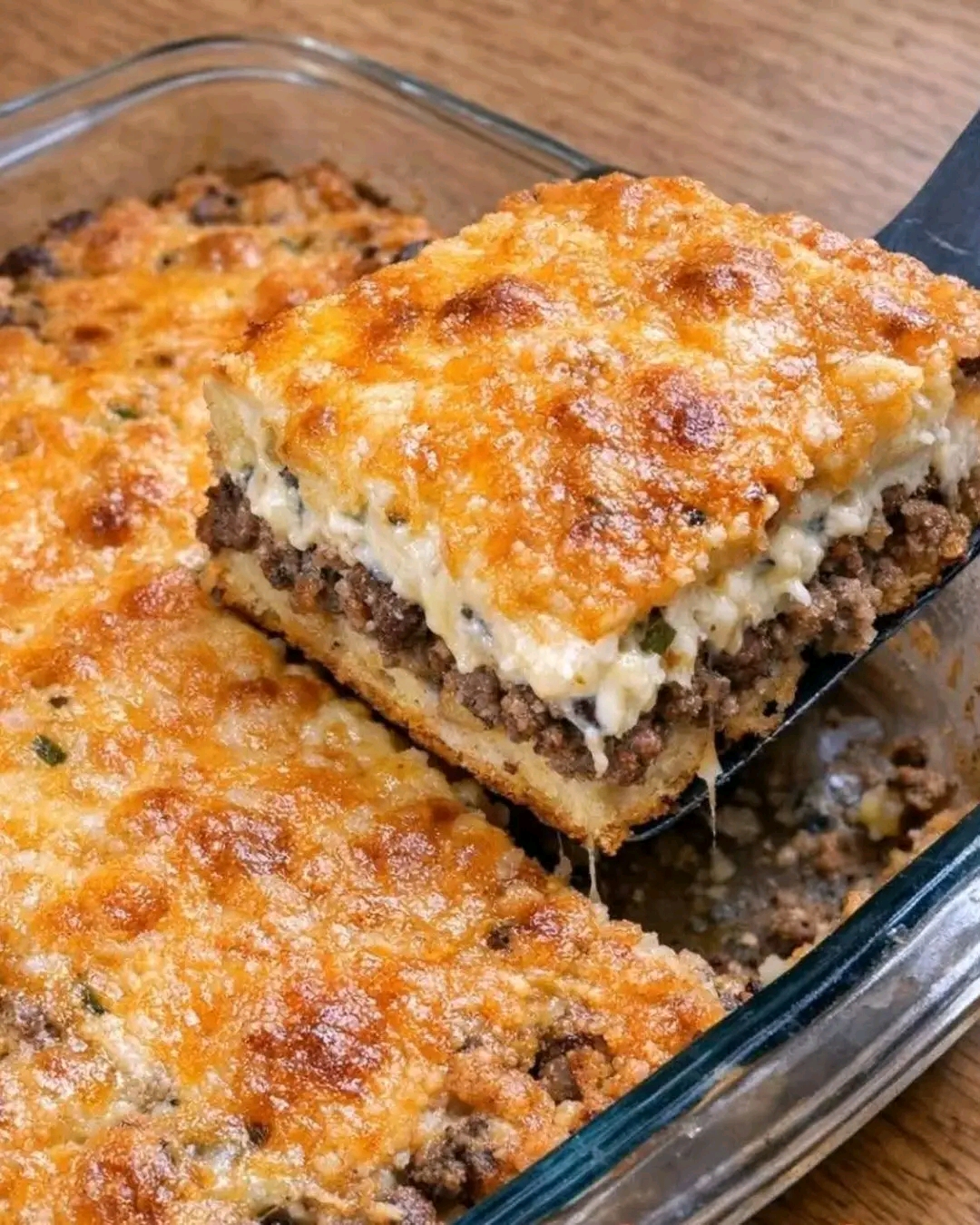
Imagine tender potatoes layered with seasoned ground beef, a rich creamy sauce, sautéed onions, and a generous topping of golden melted cheese. As it bakes, the ingredients blend together into a delicious, comforting dish with a beautifully browned top.
It is easy to understand why recipes like this become family traditions. They use simple ingredients, feed a crowd, and taste even better when shared with the people you love. Whether you are preparing dinner for your family, hosting a holiday gathering, or bringing a dish to a reunion, this casserole is a wonderful choice.
Recipe Information
- Recipe Name: Old-Fashioned Cheesy Beef and Potato Casserole
- Cuisine: American-inspired comfort food
- Preparation Time: 25 minutes
- Cooking Time: 50–60 minutes
- Total Time: Approximately 1 hour and 25 minutes
- Servings: 8
- Difficulty: Easy to moderate
- Cooking Method: Stovetop and oven baking
- Best For: Family dinners, potlucks, reunions, and weekend meals
Ingredients
For the Beef Filling
- 1½ pounds (680 g) ground beef
- 1 medium onion, finely chopped
- 2 cloves garlic, minced
- 1 tablespoon olive oil, if needed
- 1 teaspoon salt, or to taste
- ½ teaspoon black pepper
- 1 teaspoon paprika
- 1 teaspoon dried Italian seasoning
- 2 tablespoons tomato paste
- ½ cup (120 ml) beef broth
For the Potato Layers
- 2½ pounds (1.1 kg) potatoes, peeled and thinly sliced
- 2 tablespoons butter, for greasing and flavor
- ½ teaspoon salt
- ¼ teaspoon black pepper
For the Creamy Sauce
- 2 tablespoons butter
- 2 tablespoons all-purpose flour
- 1½ cups (360 ml) milk
- ½ cup (120 ml) heavy cream
- ½ teaspoon garlic powder
- ¼ teaspoon ground black pepper
- A pinch of nutmeg, optional
For the Cheese Topping
- 2 cups (200–225 g) shredded cheddar cheese
- ½ cup (50 g) shredded mozzarella cheese
- 2 tablespoons chopped fresh parsley, optional
Optional Additions
- 1 cup sliced mushrooms
- ½ cup frozen peas or corn
- A pinch of chili flakes for gentle heat
- ½ teaspoon dried thyme for extra aroma
Instructions
Step 1: Prepare the Oven and Baking Dish
Preheat your oven to 375°F (190°C).
Lightly grease a deep 9-by-13-inch baking dish with butter. This helps prevent sticking and makes serving easier.
Peel the potatoes and slice them into thin, even rounds, approximately ⅛ inch thick. Keeping the slices similar in thickness helps them cook evenly.
If you want especially tender potatoes, simmer the slices in boiling water for about 5 minutes, then drain carefully. This optional step can shorten the baking time.
Step 2: Cook the Ground Beef
Place a large skillet over medium heat. Add the olive oil if the beef is particularly lean.
Add the chopped onion and cook for 3–4 minutes until softened. Stir in the minced garlic and cook for another 30 seconds.
Add the ground beef, breaking it into small pieces with a wooden spoon. Cook for 7–10 minutes, stirring occasionally, until thoroughly browned and cooked through.
Drain excess fat if necessary.
Season the beef with salt, black pepper, paprika, and Italian seasoning. Stir in the tomato paste and beef broth.
Let the mixture simmer for 3–5 minutes until the liquid reduces slightly and the flavors combine. Remove the skillet from the heat.
Step 3: Make the Creamy Sauce
In a medium saucepan, melt 2 tablespoons of butter over medium-low heat.
Sprinkle in the flour and whisk continuously for about 1 minute. This creates a roux that helps thicken the sauce.
Gradually pour in the milk while whisking to prevent lumps. Add the heavy cream, garlic powder, black pepper, and optional nutmeg.
Cook for 4–6 minutes, stirring frequently, until the sauce becomes smooth and slightly thickened.
Remove from the heat. The sauce should be pourable rather than extremely thick because the potatoes will absorb some moisture during baking.
Step 4: Assemble the Casserole
Arrange half of the sliced potatoes in an even layer in the prepared baking dish.
Spread half of the cooked beef mixture over the potatoes. Spoon some creamy sauce over the beef.
Add another layer of potatoes, followed by the remaining beef and the rest of the sauce.
Use a spoon to spread the sauce evenly so that it reaches the edges of the dish.
Cover the baking dish tightly with aluminum foil.
Step 5: Bake Until Tender
Place the covered casserole in the preheated oven and bake for approximately 35–45 minutes.
Carefully remove the foil and check the potatoes with a fork. They should be becoming tender.
If they still feel firm, cover the dish again and continue baking for another 10–15 minutes.
Step 6: Add the Cheese
Sprinkle the shredded cheddar and mozzarella evenly over the top.
Return the uncovered casserole to the oven for another 10–15 minutes, until the cheese melts, bubbles, and develops a lightly golden surface.
For a more deeply browned top, use the broiler for 1–2 minutes, watching constantly to prevent burning.
Step 7: Rest and Serve
Remove the casserole from the oven and allow it to rest for 10–15 minutes.
This resting period helps the creamy sauce settle and makes it easier to cut neat portions.
Sprinkle with chopped fresh parsley if desired. Serve warm while the cheese is still soft and the filling is rich and comforting.
Preparation Methods
Traditional Oven-Baked Method
The oven-baked method is ideal for creating distinct layers of potatoes, beef, creamy sauce, and melted cheese.
Covering the casserole during the first part of cooking traps steam, helping the potatoes soften. Removing the cover toward the end allows the cheese to melt and brown.
One-Pan Beef Preparation
Cooking the onions, garlic, and beef together before assembling the dish develops deeper flavor while keeping the preparation manageable.
The beef broth and tomato paste add savory richness, while the creamy sauce balances the stronger flavors.
Make-Ahead Method
You can prepare the beef filling and creamy sauce a day ahead and store them separately in the refrigerator.
For the best texture, assemble the casserole shortly before baking, or assemble it in advance and refrigerate it promptly. If assembled cold, allow extra baking time and check that the center reaches 165°F (74°C).
Avoid leaving the casserole at room temperature for extended periods.
Slow and Gentle Baking Method
If you prefer very tender potatoes, bake the casserole covered until the potatoes are fully cooked before adding the cheese.
This approach helps prevent the cheese from becoming too dark before the center is ready.
The History Behind Vintage Family Casseroles
The story of a recipe clipped from a magazine in 1979 brings to mind a time when printed cookbooks, newspaper food columns, and magazine recipe pages played an important role in home cooking.
Many families collected recipes in envelopes, notebooks, recipe boxes, or scrapbooks. A particularly successful dish might be marked with handwritten notes, ingredient substitutions, or the names of relatives who loved it most.
Casseroles became popular in many American households because they were practical, economical, and easy to share. A single baking dish could feed several people, and home cooks could adapt recipes to suit the ingredients they had available.
Potatoes, ground beef, milk, and cheese were familiar, versatile ingredients. Combining them into one baked dish created a satisfying meal that could be served with a simple salad or vegetables.
Although this particular recipe is a modern interpretation of that nostalgic tradition rather than a verified reproduction of the original 1979 magazine clipping, it captures the spirit of vintage family cooking: simple ingredients, generous portions, and a meal made to be shared.
Benefits of This Recipe
1. A Filling Family Meal
Potatoes provide carbohydrates that supply energy, while ground beef contributes protein. Together, they create a substantial meal that can help satisfy a hungry family.
2. Protein for Everyday Nutrition
Ground beef supplies protein, iron, zinc, and vitamin B12. These nutrients support normal muscle function, oxygen transport, and other essential bodily processes.
3. Potatoes Provide Useful Nutrients
Potatoes contain carbohydrates, potassium, and vitamin C. Leaving some of the skin on, after washing thoroughly, can also increase the dish’s fiber content.
4. Calcium from Dairy Ingredients
Milk and cheese contribute calcium and protein. Calcium is important for maintaining healthy bones and teeth.
5. Flexible Ingredients
The recipe can be adapted to use lean ground beef, ground turkey, or plant-based alternatives. You can also add mushrooms, peas, or other vegetables to increase variety.
6. Convenient for Group Meals
A large casserole is easy to portion and serve, making it useful for family reunions, potlucks, and busy weeknights.
A nutritional note: This is a hearty comfort-food dish, and its calories, saturated fat, and sodium can add up depending on the meat, cheese, cream, and seasoning used. Smaller portions, leaner meat, reduced-fat dairy, and additional vegetables can make it lighter.
Nutritional Information
Approximate nutrition per serving, assuming eight servings:
- Calories: 450–550
- Protein: 25–32 g
- Carbohydrates: 30–40 g
- Fat: 22–30 g
- Fiber: 3–5 g
- Calcium: Varies with the type and amount of dairy used
These estimates are illustrative rather than laboratory-tested values. Actual nutrition will depend on the exact ingredients, brands, and portion sizes.
Tips for the Best Results
- Slice the potatoes evenly. Uniform slices cook at approximately the same rate.
- Brown the beef properly. Browning develops a richer, more savory flavor.
- Do not skip the sauce. It helps keep the potatoes moist and brings the layers together.
- Use freshly shredded cheese. It often melts more smoothly than some pre-shredded varieties.
- Season each component. Taste the beef mixture and adjust the seasoning before assembling.
- Cover during the initial bake. This helps the potatoes soften without drying out.
- Let the casserole rest. Ten to fifteen minutes makes serving easier.
- Use a thermometer when needed. The center should reach at least 165°F (74°C) when reheating leftovers.
Serving Suggestions
This casserole is rich and satisfying, so it pairs beautifully with lighter side dishes.
- Fresh green salad: Lettuce, cucumber, tomatoes, and a simple vinaigrette provide a refreshing contrast.
- Steamed green beans: Their fresh flavor complements the creamy cheese.
- Roasted carrots: Slight sweetness balances the savory beef.
- Garlic bread: A good choice for soaking up the creamy sauce.
- Steamed broccoli: Adds color, texture, and extra vegetables.
- Pickles or coleslaw: Their acidity helps balance the richness of the dish.
For a family reunion, place the casserole in the center of the table and serve it alongside a large salad, bread, and a simple dessert.
Storage and Reheating
Refrigerator
Allow the casserole to cool slightly, then transfer leftovers to shallow, airtight containers. Refrigerate within two hours of cooking and consume within 3–4 days.
Freezer
For best quality, freeze individual portions in airtight, freezer-safe containers for up to 2–3 months. The potatoes may soften slightly after thawing.
Reheating
Reheat individual portions in the microwave until steaming hot throughout, stirring or rotating if needed.
To reheat a larger portion, cover it with foil and place it in an oven at 350°F (175°C) until the center reaches 165°F (74°C). Add a spoonful of milk or broth if the sauce seems dry.
Can You Make It Ahead?
Yes. Preparing the beef and sauce in advance can save time on a busy day. Store them separately in the refrigerator, then assemble and bake when needed.
Delicious Variations
Cheesy Chicken and Potato Casserole
Replace the ground beef with cooked, shredded chicken. Add a little thyme and use chicken broth for a milder flavor.
Mushroom and Beef Casserole
Sauté sliced mushrooms with the onions before adding the beef. Their earthy flavor pairs beautifully with the creamy sauce.
Spicy Cheesy Casserole
Add chili flakes, a little cayenne pepper, or diced jalapeños for a gentle kick.
Vegetable-Packed Casserole
Add peas, corn, finely chopped carrots, or steamed broccoli between the layers.
Extra-Cheesy Version
Add a little Monterey Jack or mozzarella to the cheddar topping for a softer, stretchier cheese layer.
Common Mistakes to Avoid
- Using thick potato slices: These may remain firm even when the cheese is browned.
- Making the sauce too thick: An overly thick sauce may not distribute evenly between the layers.
- Adding cheese too early: Cheese can brown before the potatoes finish cooking.
- Skipping the resting period: The casserole may fall apart when served immediately.
- Adding too much salt: Cheese and broth can already contain significant sodium, so taste before adding more.
- Leaving leftovers unrefrigerated: Prompt refrigeration helps reduce the risk of foodborne illness.
Why Family Casseroles Become Traditions
A recipe often becomes special because of the people and occasions associated with it.
Perhaps it was served at a birthday dinner, brought to a holiday gathering, or prepared whenever relatives came home for a visit. Over time, everyone begins to recognize the dish before it even reaches the table.
Children grow up eating it, adults request it for celebrations, and eventually the recipe becomes part of the family’s shared history.
That is the beauty of a well-loved recipe. It does not need expensive ingredients or complicated techniques. Its value comes from consistency, comfort, and the memories built around the table.
Frequently Asked Questions
Can I prepare this casserole the night before?
Yes. Prepare the components in advance or assemble the dish, cover it, and refrigerate it promptly. Add extra baking time if cooking directly from the refrigerator.
Can I use frozen potatoes?
Frozen sliced potatoes can work, but their moisture content and cooking time may differ. Follow the package guidance and check that the center is thoroughly hot and tender.
What cheese works best?
Cheddar gives a classic savory flavor, while mozzarella adds a softer, stretchy texture. A combination of both offers a good balance.
Can I make it without heavy cream?
Yes. Replace the cream with additional milk. The sauce will be somewhat lighter, and you can adjust the flour slightly if you prefer a thicker consistency.
How do I know when it is done?
The potatoes should be tender when pierced with a fork, the sauce should be bubbling, and the center should be thoroughly hot.
Is this the exact recipe from the 1979 magazine?
No. Without the original clipping, its title, or ingredient list, the exact recipe cannot be identified. This version is inspired by the nostalgic family-recipe story.
Conclusion
This Old-Fashioned Cheesy Beef and Potato Casserole celebrates everything people love about traditional home cooking. Tender potatoes, savory ground beef, creamy sauce, and golden melted cheese come together in one satisfying dish that is perfect for sharing.
It is practical enough for an ordinary family dinner and generous enough for a special gathering. You can prepare it ahead, customize it with your favorite ingredients, and serve it with simple sides for a complete meal.
The most meaningful recipes are often the ones that stay in the family for years. Whether they begin in a magazine, a handwritten notebook, or a relative’s kitchen, they become lasting traditions through the memories made around them.
Make this casserole once, share it with the people you love, and it may become one of the dishes everyone asks for again and again.