Introduction
Staying hydrated is one of the simplest ways to support your health as you get older. But did you know that plain water can also be part of a balanced routine that includes essential minerals?
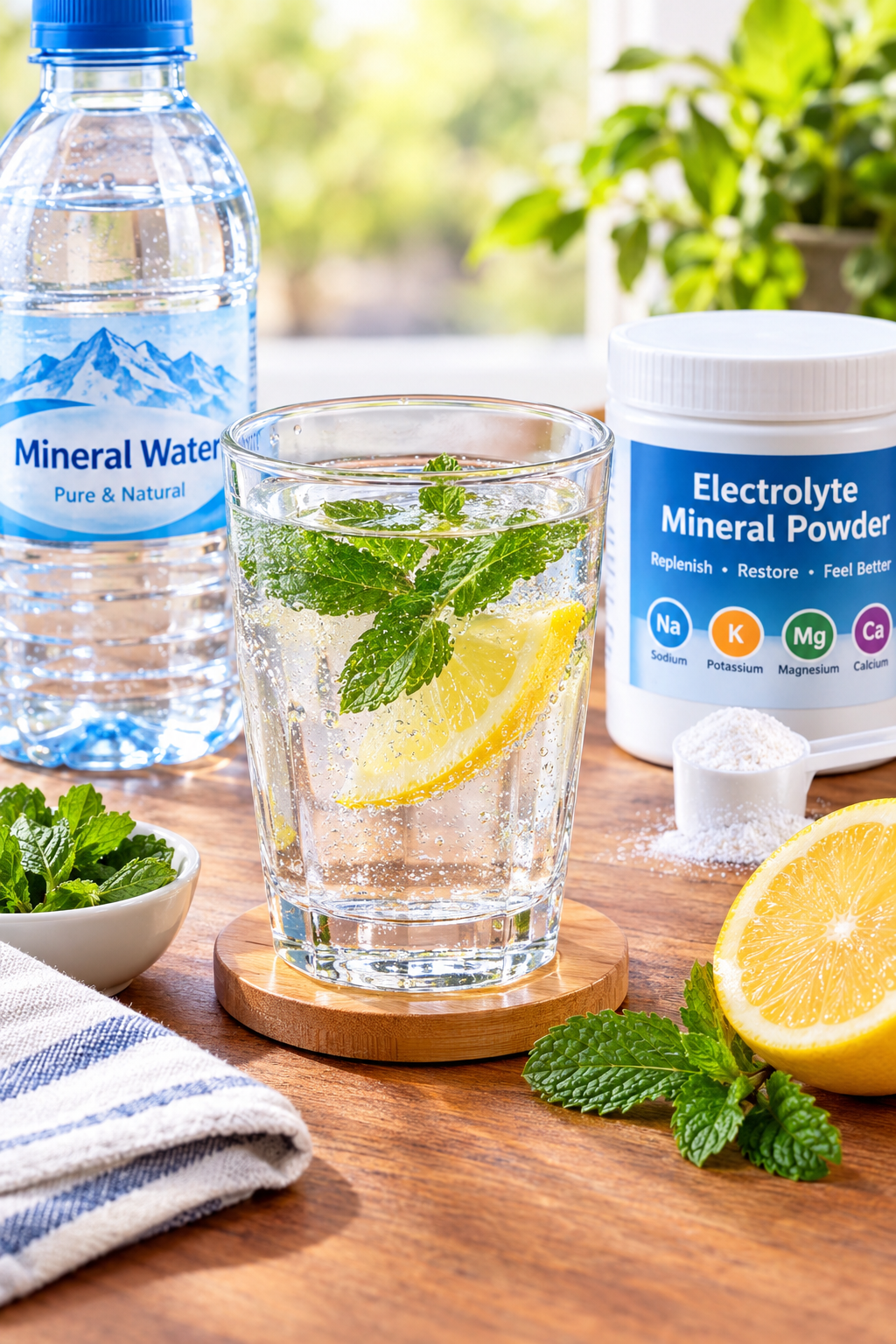
This simple mineral water recipe is easy to prepare at home and can be enjoyed throughout the day. It focuses on proper hydration and the important role minerals play in normal muscle function, nerve signaling, and fluid balance.
You don’t need expensive supplements or complicated ingredients to build healthier habits. Sometimes, the best place to start is with a glass of water and a balanced approach to nutrition.
Important: Adding a mineral powder to water does not automatically improve blood circulation or make your body feel 20 years younger. The right minerals and amounts depend on your individual needs, especially if you are a senior or have a medical condition.
Ingredients
For one refreshing glass of homemade mineral water, you will need:
- 1 glass (250 ml) of clean drinking water
- A commercially prepared, food-grade mineral electrolyte powder, if appropriate for your needs
- The amount of mineral powder recommended on its product label
- 1 small lemon wedge, optional, for a refreshing citrus flavor
- A few fresh mint leaves, optional
Choose your ingredients carefully: Do not use an unknown white powder, industrial mineral powder, or an unmeasured spoonful of salt. Ordinary drinking water is already a healthy choice, and many people do not need additional electrolytes.
Instructions
- Pour 250 ml of clean drinking water into a glass.
- If you have chosen an appropriate food-grade electrolyte product, check its label and follow the exact recommended dilution.
- Stir until the powder has dissolved completely.
- Add a small lemon wedge or a few mint leaves if you prefer a fresher taste.
- Sip slowly and enjoy your drink as part of your normal hydration routine.
- Prepare a fresh serving whenever needed, following the product’s storage instructions.
If you do not need an electrolyte supplement, simply drink plain water and obtain minerals from a balanced diet.
Preparation Method
Step 1: Start with clean water. Use safe drinking water at room temperature or chilled, according to your preference.
Step 2: Check the mineral source. Read the product label carefully. Different products contain different amounts of sodium, potassium, magnesium, and other ingredients.
Step 3: Measure accurately. Never guess the amount or assume that adding more minerals will provide greater benefits.
Step 4: Mix and serve. Stir thoroughly and drink according to your hydration needs.
Step 5: Make hydration a habit. Keep water accessible during the day and drink regularly, unless your healthcare professional has advised you to restrict fluids.
A Brief History of Mineral Water
People have valued mineral-rich springs for centuries. Natural mineral water became popular in many parts of Europe because of its distinctive taste and mineral content. Today, mineral water is widely available in bottled form, while electrolyte drinks are commonly used to replace fluids and electrolytes lost through sweating, vomiting, or diarrhea.
Modern nutrition science helps us understand that minerals such as potassium, magnesium, calcium, and sodium have different functions in the body. However, more is not always better. The safest approach is to obtain the minerals your body needs through appropriate food and drinks, with supplements used when genuinely necessary.
Potential Benefits of Proper Hydration and Minerals
1. Supports Normal Blood Circulation
Water helps maintain normal blood volume. Dehydration can reduce circulating blood volume and contribute to dizziness or weakness. Drinking enough fluid helps support normal circulation, but adding a mineral powder does not guarantee better blood flow.
2. Helps Maintain Fluid Balance
Sodium and potassium help regulate the movement of fluids between cells and the surrounding tissues. Their balance is important for normal body function.
3. Supports Normal Muscle Function
Potassium, calcium, and magnesium contribute to normal muscle function. Getting adequate amounts through food and appropriate drinks can help maintain healthy body function.
4. Supports Nerve Function
Electrolytes help nerves transmit signals throughout the body. However, taking extra minerals will not necessarily improve nerve function if your mineral levels are already adequate.
5. Helps Prevent Dehydration
Drinking enough water throughout the day helps replace normal fluid losses. Older adults may be more vulnerable to dehydration, so regular hydration habits are especially important.
6. Can Make Drinking Water More Enjoyable
Lemon and mint can add flavor without requiring much or any added sugar. If a pleasant taste encourages you to drink enough water, these simple additions may be helpful.
7. Supports Everyday Well-Being
Adequate hydration is one part of a healthy lifestyle that also includes nutritious meals, regular physical activity suited to your abilities, quality sleep, and appropriate medical care.
Important Health Information for Seniors
Not everyone should add minerals to their water. People with kidney disease, heart failure, high blood pressure, or certain medication regimens may need to limit sodium, potassium, magnesium, or fluids.
- Do not add potassium supplements without medical advice if you have kidney problems or take medicines that can raise potassium levels.
- Avoid increasing salt intake to improve circulation.
- Ask a doctor or pharmacist whether an electrolyte product is suitable if you take regular medication.
- Seek urgent medical attention for sudden shortness of breath, chest pain, fainting, or sudden weakness.
If you regularly experience cold hands or feet, leg swelling, pain while walking, or persistent dizziness, speak with a healthcare professional rather than relying on a homemade drink.
Forming a Healthy Daily Hydration Routine
A simple routine can make drinking enough water easier:
In the morning: Start your day with a glass of water, unless you have a prescribed fluid restriction.
During meals: Drink water according to your thirst and your healthcare professional’s advice.
During physical activity or hot weather: Pay attention to fluid losses. An electrolyte product may be useful in certain circumstances, but it is not necessary for everyone.
In the evening: Keep water nearby if you need it, while considering whether nighttime urination affects your sleep.
Throughout the week: Eat a variety of foods, including vegetables, fruit, beans, nuts, dairy products or suitable alternatives, to help meet your mineral needs.
Frequently Asked Questions
Can mineral water improve circulation?
Mineral water provides hydration and may supply minerals, depending on its composition. However, there is no guarantee that adding a mineral powder will improve circulation.
Should seniors drink mineral water every day?
Ordinary mineral water can generally be enjoyed as part of a balanced diet. Whether you need additional electrolyte powder depends on your health, diet, medications, and fluid losses.
Can I use ordinary table salt?
Do not add salt specifically to improve circulation. Excess sodium can worsen high blood pressure and fluid retention in susceptible people.
Will this drink make me feel 20 years younger?
No drink can reverse aging. Staying hydrated, eating well, moving regularly, and managing health conditions can help support well-being as you age.
Can I drink this before bed?
You can drink water in the evening if appropriate for your needs, but large amounts just before bedtime may increase nighttime bathroom visits.
Conclusion
Healthy aging begins with small, sensible daily habits. Drinking enough water, eating balanced meals, and getting the minerals your body needs can help support normal hydration, muscle function, and overall health.
You do not need to add a mysterious powder to every glass of water. Choose safe drinking water, use supplements only when appropriate, and ask your healthcare professional for guidance if you have a medical condition or take medication.
Remember, the goal is not to turn back the clock. It is to help your body stay as healthy and active as possible at every age.