Introduction
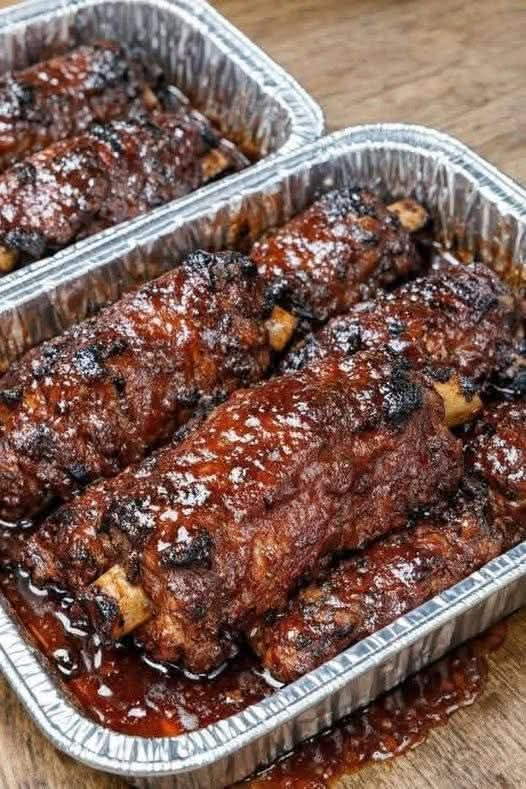
There is nothing quite like a tray of sticky BBQ pork ribs fresh from the oven, coated in a thick, glossy barbecue sauce with caramelized edges and tender meat that practically falls off the bone. These ribs are sweet, smoky, savory, and full of rich barbecue flavor, making them a favorite for family dinners, weekend cookouts, summer gatherings, and special occasions.
The secret to delicious BBQ ribs is simple: season the meat generously, cook it slowly until it becomes tender, and finish it with a generous layer of barbecue sauce. Slow cooking allows the connective tissue to soften, while the final uncovered cooking stage helps the sauce become sticky, shiny, and beautifully caramelized.
This homemade recipe brings together classic barbecue flavors without requiring a smoker or expensive equipment. You can prepare it in a conventional oven and still enjoy juicy, flavorful ribs with a delicious smoky taste.
Whether you are cooking for your family or preparing a meal for guests, these Sticky BBQ Pork Ribs are guaranteed to make the dinner table feel special.
Recipe Information
- Preparation time: 15–20 minutes
- Cooking time: 2½–3½ hours
- Resting time: 10 minutes
- Total time: Approximately 3–4 hours
- Servings: 4–6 people
- Cuisine: American-inspired barbecue
- Cooking method: Oven-baked, covered slow cooking, and caramelizing
- Difficulty: Easy to moderate
- Flavor profile: Sweet, smoky, tangy, savory, and rich
Ingredients
For the Pork Ribs
- 2 racks pork baby back ribs or spare ribs, approximately 1.8–2.3 kg total
- 2 tablespoons olive oil, optional
- 1 teaspoon fine salt
- 1 teaspoon freshly ground black pepper
- 2 teaspoons smoked paprika
- 2 teaspoons garlic powder
- 1 teaspoon onion powder
- 1 teaspoon chili powder, optional
- 1 teaspoon dried mustard powder, optional
For the Sticky BBQ Sauce
- 1½ cups barbecue sauce, approximately 360 ml
- ¼ cup brown sugar
- 2 tablespoons honey
- 1 tablespoon apple cider vinegar
- 1 tablespoon Worcestershire sauce
- 1 teaspoon smoked paprika
- ½ teaspoon garlic powder
- ¼ teaspoon cayenne pepper, optional
For the Baking Tray
- ¼ cup water, apple juice, or low-sodium broth
- Aluminum foil for covering the ribs
Shortcut option: If you prefer a simpler recipe, use pork ribs, your favorite ready-made BBQ sauce, and a little brown sugar or honey. The homemade seasoning and sauce add extra flavor, but they are optional.
Instructions
Step 1: Prepare the Ribs
Preheat your oven to 150°C (300°F).
Remove the ribs from their packaging and pat them dry with paper towels. If the thin membrane on the bone side is still attached, carefully loosen it with a knife and pull it away using a paper towel for grip. Removing this membrane can help the seasoning reach the meat and improve the eating texture.
Trim away any large pieces of excess fat, but leave enough to help keep the ribs moist during cooking.
Step 2: Season the Meat
In a small bowl, combine the salt, black pepper, smoked paprika, garlic powder, onion powder, chili powder, and mustard powder.
Rub the mixture evenly over both sides of the ribs. Add the olive oil first if desired to help the seasoning adhere.
For deeper flavor, allow the seasoned ribs to rest in the refrigerator for 30 minutes to several hours. If you are short on time, you can cook them immediately.
Step 3: Prepare the Baking Tray
Place each rack of ribs in a large roasting pan or heavy-duty foil-lined baking tray.
Pour the water, apple juice, or broth into the bottom of the tray without washing away the seasoning. Cover the pan tightly with aluminum foil to trap the steam and help the meat cook slowly.
If the racks are too large, cut them into smaller sections to fit your trays.
Step 4: Slow-Cook Until Tender
Transfer the covered tray to the preheated oven.
Bake baby back ribs for approximately 2½–3 hours, or spare ribs for approximately 3–3½ hours, depending on their thickness and the oven.
The ribs should become tender, and the meat should begin to pull away from the bones. Check them near the end of cooking rather than relying only on the clock.
For food safety, pork should reach at least 63°C (145°F) followed by a three-minute rest, although ribs generally need substantially more cooking time to become tender. A temperature around 90–96°C (195–205°F) often produces the soft texture associated with fall-apart barbecue ribs.
Step 5: Make the Sticky BBQ Sauce
While the ribs are cooking, prepare the sauce.
In a saucepan, combine the barbecue sauce, brown sugar, honey, apple cider vinegar, Worcestershire sauce, smoked paprika, garlic powder, and cayenne pepper.
Warm over low heat for 5–8 minutes, stirring frequently. The mixture should become smooth, fragrant, and slightly thickened.
Taste the sauce and adjust it according to your preference.
- Add honey for extra sweetness.
- Add vinegar for a tangier flavor.
- Add chili powder or cayenne for heat.
- Add smoked paprika for a stronger smoky note.
Avoid boiling the sauce aggressively, as excessive reduction can make it too thick or overly sweet.
Step 6: Coat the Ribs Generously
Once the ribs are tender, carefully remove the tray from the oven. Watch out for hot steam when lifting the foil.
Transfer the ribs to a clean foil-lined baking tray or keep them in the roasting pan if it is suitable for high-heat finishing.
Brush a generous layer of BBQ sauce over the top and sides of each rack. Turn the ribs carefully and coat the other side if desired.
Reserve a little clean sauce for serving. Never reuse sauce that has touched raw pork unless it is thoroughly cooked.
Step 7: Caramelize the Sauce
Increase the oven temperature to 220°C (425°F).
Return the uncovered ribs to the oven for 10–15 minutes, brushing on another layer of sauce halfway through. Watch them closely because the sugars in the sauce can burn quickly.
For a more charred, barbecue-style finish, broil the ribs for the final 2–4 minutes, keeping them several inches away from the heating element. Do not leave them unattended.
The finished ribs should have a glossy, dark reddish-brown coating, sticky edges, and a deliciously caramelized appearance.
Step 8: Rest and Serve
Remove the ribs from the oven and let them rest for about 10 minutes.
Cut between the bones with a sharp knife and arrange the ribs on a serving platter. Spoon a little of the remaining clean BBQ sauce over the top.
Serve immediately while the meat is warm, juicy, and coated in its sweet and smoky glaze.
Preparation Methods
Method 1: Classic Oven-Baked BBQ Ribs
This is the easiest method for most home cooks.
Season the ribs, cover them tightly, and bake them at a low temperature until tender. Finish them uncovered with barbecue sauce at a higher temperature.
Best for: Family dinners, beginners, and anyone who wants tender ribs without outdoor cooking equipment.
Method 2: Slow Cooker BBQ Ribs
Season the ribs and place them in a slow cooker with a small amount of water or broth. Cook on low for approximately 6–8 hours or on high for approximately 3–5 hours, depending on the size of the ribs and the appliance.
Transfer the tender ribs to a baking tray, brush them with BBQ sauce, and broil briefly until the sauce becomes sticky.
Best for: Busy days when you want the meat to cook slowly with minimal supervision.
Method 3: Grilled BBQ Ribs
For a traditional outdoor barbecue flavor, cook the seasoned ribs over indirect heat at approximately 135–150°C (275–300°F), with the grill lid closed.
Allow several hours for the meat to become tender, adjusting the cooking time to the cut and thickness. Brush with barbecue sauce near the end and briefly expose the ribs to direct heat to caramelize the glaze.
Best for: Summer cookouts and gatherings where a smoky, grilled finish is desired.
Method 4: Extra-Sticky BBQ Ribs
If you love a thick, glossy coating, brush the ribs with sauce in two or three thin layers during the final cooking stage.
Allow each layer to set before applying the next. This creates a richer glaze without drowning the meat in sauce.
The History of BBQ Pork Ribs
Barbecue has a long and varied history, particularly in the southern United States, where cooking meat slowly over wood or charcoal became an important regional food tradition.
Different communities developed their own barbecue styles, influenced by local ingredients, cooking equipment, and cultural traditions. Some styles emphasize vinegar-based sauces, while others favor tomato-based sauces, mustard, pepper, or sweet molasses flavors.
Pork ribs became especially popular in several southern barbecue traditions. Slow cooking helps soften tougher cuts, while smoke, spice rubs, and sauces add layers of flavor.
Modern home cooks have adapted these traditions to ovens, slow cookers, and backyard grills. Bottled barbecue sauce has also made it easier to recreate familiar sweet and smoky flavors without preparing every ingredient from scratch.
Today’s Sticky BBQ Pork Ribs combine these influences into a practical home recipe: slow-cooked meat, a flavorful spice rub, and a sweet-tangy glaze that becomes beautifully caramelized.
Benefits and Nutritional Information
Pork ribs are a rich, satisfying food that can contribute useful nutrients to a balanced diet. However, they are also relatively high in fat and can become high in sugar and sodium when prepared with generous amounts of barbecue sauce.
1. Provides Protein
Pork supplies protein, which helps maintain muscles and supports normal body functions. Protein also contributes to a satisfying meal.
2. Contains Important B Vitamins
Pork contains B vitamins, including thiamin, niacin, vitamin B6, and vitamin B12 in varying amounts. These vitamins help the body use energy from food and support normal nervous system function.
3. Supplies Essential Minerals
Depending on the cut and serving size, pork provides minerals such as zinc, phosphorus, iron, and selenium. These nutrients play roles in normal immune function, bone health, and other essential processes.
4. Can Be Part of a Balanced Meal
Pairing ribs with vegetables, salad, beans, or whole grains adds fiber and a wider variety of nutrients to the meal.
5. Offers Flavor Without Complicated Equipment
Cooking ribs at home allows you to control the ingredients, seasoning, sauce quantity, and cooking method. You can choose a lower-sugar BBQ sauce or reduce the added honey and brown sugar if preferred.
A Note About Nutrition
The exact calories, protein, fat, carbohydrates, and sodium depend on the rib cut, portion size, amount of visible fat, and barbecue sauce used. A typical serving can be calorie-dense, so moderate portions and balanced side dishes are helpful.
These ribs are a delicious meal, not a medical treatment or a special health remedy.
Tips for Perfect Fall-Off-the-Bone Ribs
1. Cook low and slow. A moderate oven temperature gives the connective tissue time to soften without quickly drying the meat.
2. Remove the membrane when possible. This improves the texture on the bone side and makes the ribs easier to eat.
3. Keep the tray covered during the first stage. Trapped moisture helps the ribs become tender.
4. Add BBQ sauce near the end. Most barbecue sauces contain sugar, which can burn during prolonged high-temperature cooking.
5. Use a thermometer and check tenderness. Ribs may require more time than expected, especially if they are thick or meaty.
6. Do not skip the resting period. A short rest makes the ribs easier to handle and cut.
7. Balance sweetness with acidity. A little apple cider vinegar can keep the glaze from tasting excessively sweet.
8. Watch the broiler carefully. The difference between caramelized sauce and burnt sauce can be only a minute or two.
9. Save some sauce for serving. A fresh spoonful of clean BBQ sauce adds moisture and flavor to the finished dish.
10. Avoid overcrowding the tray. Arrange the ribs in a single layer when possible so they cook evenly.
Serving Suggestions
Sticky BBQ Pork Ribs are wonderfully versatile and can be served with many classic side dishes.
Classic Barbecue Sides
- Creamy coleslaw
- Baked beans
- Corn on the cob
- Potato salad
- French fries or potato wedges
- Buttery cornbread
Fresh and Lighter Sides
- Green salad with a tangy vinaigrette
- Roasted broccoli or carrots
- Steamed green beans
- Cucumber and tomato salad
- Grilled zucchini and bell peppers
For a Complete Family Dinner
Serve two or three ribs per person, depending on their size and appetite, with roasted potatoes and a fresh salad. For a larger gathering, arrange the ribs on a platter with corn, beans, and several dipping sauces.
You can also shred leftover cooked rib meat from the bones and add it to sandwiches, wraps, or loaded baked potatoes.
Storage and Reheating
Refrigeration
Allow the cooked ribs to cool slightly, then place them in a shallow, airtight container and refrigerate within two hours of cooking.
Store at 4°C (40°F) or below and use within 3–4 days.
Freezing
For longer storage, freeze the cooked ribs in airtight, freezer-safe containers or bags with a little sauce to help preserve moisture. For best quality, use within 2–3 months.
Thaw frozen ribs in the refrigerator before reheating.
Reheating in the Oven
Place the ribs in an oven-safe dish with a spoonful of water or BBQ sauce. Cover with foil and heat at 160°C (325°F) until thoroughly hot, reaching 74°C (165°F) throughout.
Remove the foil during the final few minutes if you want to refresh the sticky glaze.
Reheating in an Air Fryer
Arrange smaller rib portions in a single layer and heat at approximately 160–175°C (320–350°F), checking frequently until hot. Add a little sauce if needed, and avoid excessive heat that could burn the sugars.
Common Mistakes to Avoid
Cooking at too high a temperature: This can dry the meat before the connective tissue has softened.
Adding all the sauce too early: Long exposure to high heat can cause the sugars to burn.
Using too much liquid: A small amount helps create a moist cooking environment, but the ribs should not be submerged.
Cutting immediately after cooking: A brief rest makes serving easier and reduces the loss of juices.
Ignoring the thickness of the ribs: Cooking times are estimates. Thin baby back ribs may become tender sooner than thick spare ribs.
Serving only sweet sides: A fresh, tangy, or lightly seasoned side dish balances the rich glaze beautifully.
Frequently Asked Questions
Can I make these ribs with only three ingredients?
Yes. Use pork ribs, your favorite BBQ sauce, and a dry seasoning blend or brown sugar. For the simplest version, season the ribs, cover and bake them until tender, then coat them with BBQ sauce and finish uncovered until sticky.
Why are my ribs still tough?
They may need more time. Connective tissue breaks down gradually, so return the covered ribs to the oven and continue cooking until the meat is tender.
Can I prepare the ribs the day before?
Yes. Cook the ribs until tender, cool and refrigerate them promptly, then glaze and reheat them the following day until they are thoroughly hot.
Can I make the sauce less sweet?
Absolutely. Use less honey and brown sugar, select a less-sweet barbecue sauce, and add a little vinegar or mustard to provide a tangy contrast.
Are baby back ribs or spare ribs better?
Baby back ribs are generally smaller and leaner, while spare ribs are usually larger, meatier, and richer. Both work well in this recipe, but spare ribs may need more cooking time.
How do I know when the ribs are ready?
The meat should be very tender, with the edges pulling back from the bones. A probe should slide into the meat with little resistance. A cleanly exposed bone alone is not a reliable sign of doneness.
Conclusion
Sticky BBQ Pork Ribs are the perfect combination of tender meat, rich seasoning, sweet barbecue sauce, and a beautifully caramelized finish. Although they look impressive enough for a restaurant-style dinner, they are surprisingly simple to prepare at home.
The secret is patience: season the ribs well, cook them slowly, and wait until the final stage to add the sticky glaze. With a few basic ingredients and a little attention to the cooking process, you can create ribs that are juicy, flavorful, and memorable.
Serve them with your favorite sides, gather everyone around the table, and enjoy a comforting meal that is ideal for weekends, celebrations, and relaxed family dinners.