Introduction
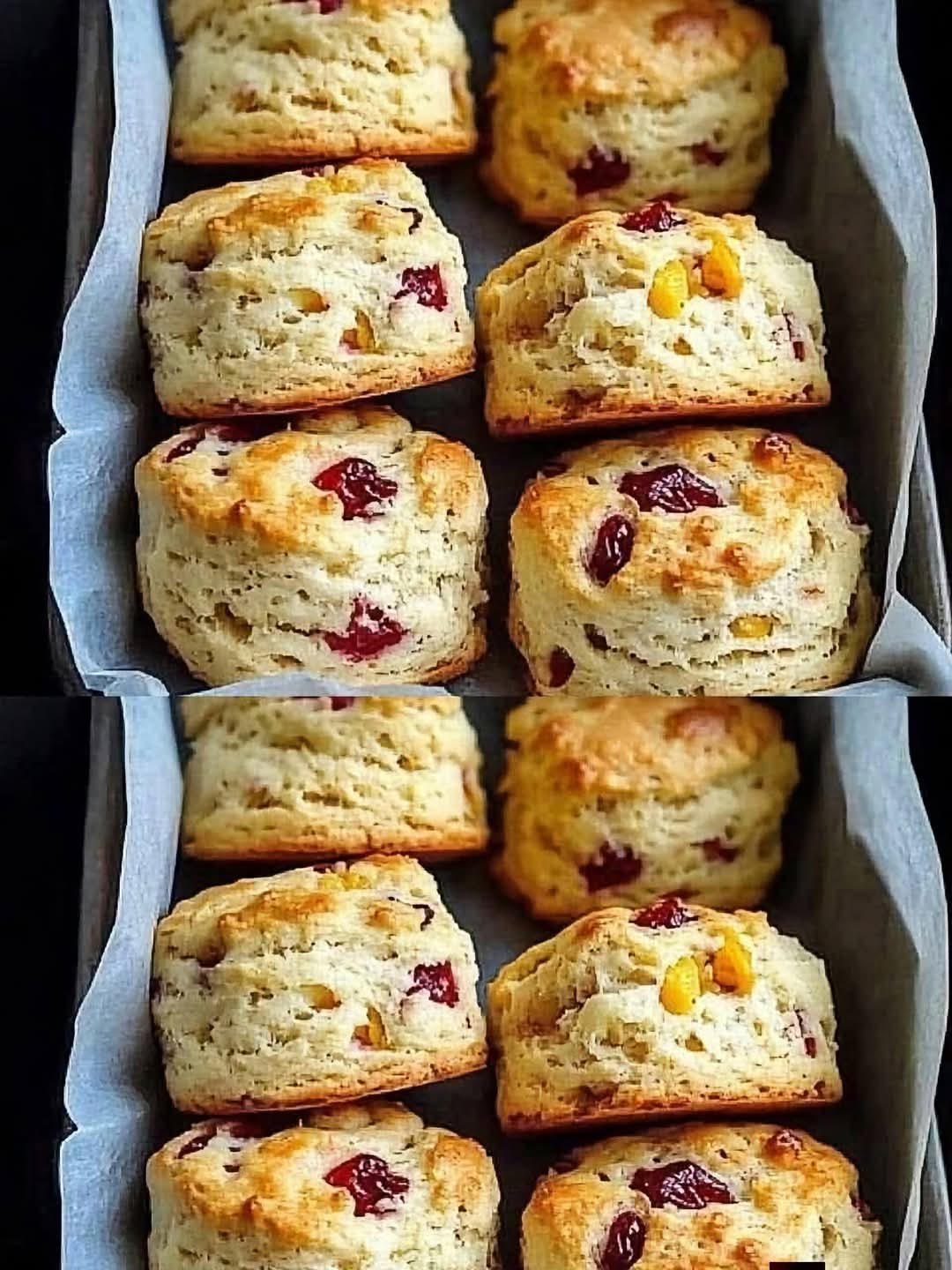
If you love the bright, refreshing taste of oranges and the sweet-tart flavor of cranberries, these Diabetic-Friendly Cranberry Orange Scones are a wonderful addition to your breakfast table. With a tender, buttery texture, a delicate citrus aroma, and little bursts of cranberry flavor, these homemade scones offer a delicious alternative to traditional bakery treats.
Made with almond flour, a low-carbohydrate sweetener, fresh orange zest, and unsweetened cranberries, this recipe is designed to reduce the carbohydrates compared with conventional scones made with white flour and sugar. Each bite combines a lightly crisp exterior with a soft, delicate center, making these scones perfect alongside a cup of coffee or tea.
Whether you are looking for a breakfast treat, an afternoon snack, or something special to share with family and friends, these cranberry orange scones deliver plenty of flavor without requiring complicated baking techniques.
Important note: No recipe is automatically suitable for everyone with diabetes. These scones can be made lower in carbohydrates than traditional versions, but portion size, ingredients, and individual blood glucose responses still matter.
Recipe Information
- Preparation time: 15 minutes
- Cooking time: 18–24 minutes
- Total time: Approximately 40 minutes
- Servings: 8 small scones
- Course: Breakfast, brunch, or snack
- Cuisine: American-inspired baking
- Cooking method: Oven baking
- Texture: Tender, lightly crisp, and moist
- Flavor: Sweet-tart cranberry with bright orange citrus
- Dietary style: Gluten-free when certified ingredients are used; lower-carb and no added sugar when prepared as directed
Ingredients
Dry Ingredients
- 2 cups almond flour, preferably finely ground
- 2 tablespoons coconut flour
- 1/4 cup granulated erythritol or another suitable baking sweetener
- 2 teaspoons baking powder
- 1/4 teaspoon salt
- 1/2 teaspoon ground cinnamon, optional
Wet Ingredients
- 2 large eggs
- 3 tablespoons unsalted butter, melted and slightly cooled
- 1 teaspoon pure vanilla extract
- 1 tablespoon fresh orange zest
- 1 tablespoon fresh orange juice
- 2 tablespoons unsweetened almond milk, if needed
Cranberry Ingredients
- 1/3 cup fresh or frozen cranberries, chopped
- 1–2 tablespoons additional low-carbohydrate sweetener, optional, depending on the tartness of the cranberries
Optional Orange Glaze
- 3 tablespoons powdered erythritol or another powdered baking sweetener
- 1–2 teaspoons orange juice
- A little extra orange zest for garnish
Ingredient tip: Almond flour and coconut flour absorb liquid differently from wheat flour. Use the quantities listed rather than replacing them cup-for-cup with regular flour. For the lowest carbohydrate option, choose an unsweetened milk alternative and cranberries without added sugar.
Instructions
Step 1: Prepare the Oven
Preheat your oven to 350°F (175°C). Line a baking sheet with parchment paper to prevent sticking and make cleanup easier.
Measure all the ingredients before beginning. This helps the dough come together quickly and prevents the butter from becoming too cool before mixing.
Step 2: Mix the Dry Ingredients
In a large mixing bowl, combine the almond flour, coconut flour, erythritol, baking powder, salt, and optional cinnamon.
Whisk thoroughly to distribute the baking powder and sweetener evenly. Break up any lumps in the almond flour so that the finished scones have a consistent texture.
Step 3: Combine the Wet Ingredients
In a separate bowl, whisk together the eggs, melted butter, vanilla extract, orange zest, and orange juice.
The orange zest is particularly important because it contains fragrant citrus oils that give the scones a fresh orange aroma without requiring a large amount of juice.
Step 4: Make the Dough
Pour the wet mixture into the bowl of dry ingredients. Stir with a spatula until a thick dough forms.
Fold in the chopped cranberries gently so that they are distributed throughout the dough.
If the mixture seems too dry or crumbly, add almond milk one teaspoon at a time. If it is too soft to shape, let it rest for five minutes so the coconut flour can absorb some moisture.
The dough should be soft enough to shape but firm enough to hold together.
Step 5: Shape the Scones
Transfer the dough onto the prepared baking sheet or a sheet of parchment paper.
Shape it into a round disc approximately 7 inches (18 cm) wide and about 1 inch (2.5 cm) thick.
Using a sharp knife, cut the disc into eight triangular wedges. Gently separate the wedges slightly so that the edges can bake evenly.
Alternatively, shape the dough into eight small individual rounds for a more rustic appearance.
Step 6: Bake Until Golden
Place the baking sheet in the preheated oven and bake for 18–24 minutes.
The scones are ready when the edges are lightly golden and the centers feel set. Almond-flour baked goods can remain softer and paler than conventional wheat-flour scones, so avoid waiting for a deep golden-brown color.
If the tops begin browning too quickly, loosely cover them with foil during the final minutes of baking.
Step 7: Cool the Scones
Remove the baking sheet from the oven and allow the scones to cool for at least 10–15 minutes.
This step is important because almond-flour dough is delicate while hot. Cooling allows the scones to firm up and makes them easier to lift without breaking.
Step 8: Prepare the Optional Glaze
If you would like a light citrus finish, combine the powdered sweetener with one teaspoon of orange juice.
Add a few drops more juice until the glaze reaches a drizzle-friendly consistency.
Drizzle lightly over the cooled scones and finish with a little orange zest. The glaze is optional, and leaving it off can help reduce the amount of added carbohydrate.
Preparation Methods
Method 1: The Traditional Oven-Baked Method
The oven-baked method is ideal for achieving a lightly crisp exterior and a tender center. Shaping the dough into a disc and cutting it into wedges gives the scones their classic triangular appearance.
For the best results, use parchment paper, avoid overmixing, and allow the scones to cool before serving.
Method 2: The Mini-Scone Method
For smaller portions, divide the dough into 12 mini-scones instead of eight.
Place them evenly on the baking sheet and begin checking for doneness after approximately 12–15 minutes. The exact baking time depends on their size and your oven.
Mini-scones can make portion control easier, although their carbohydrate content still depends on the ingredients and the amount eaten.
Method 3: The Extra-Citrus Method
If you enjoy a stronger orange flavor, increase the orange zest slightly rather than adding a large quantity of orange juice.
You can also add a small pinch of cinnamon or a few drops of almond extract to complement the cranberry flavor.
Avoid adding large amounts of honey, maple syrup, or regular sugar if your goal is to keep the recipe lower in carbohydrates.
The History of Cranberry Orange Scones
Scones are closely associated with Scotland and the wider British Isles, where early versions were simple baked breads made with flour, liquid, and a leavening ingredient. They were traditionally cooked on a griddle or baked in an oven, depending on the region and recipe.
Over time, scones became a familiar part of British afternoon tea, often served with butter, jam, or clotted cream. As baking traditions spread, many variations emerged, including sweet scones flavored with dried fruit, spices, citrus zest, and other ingredients.
Cranberries have a long history in North America, where Indigenous peoples used the fruit as food and in traditional preparations. Their tart flavor eventually became popular in sauces, baked goods, and seasonal desserts.
Orange and cranberry became a particularly appealing combination because the fragrant citrus complements the sharp, fruity taste of cranberries.
This modern lower-carbohydrate version brings those flavors together using almond flour and a sugar alternative. It is a contemporary adaptation of familiar baking traditions, designed for people who want to enjoy a homemade treat while paying closer attention to carbohydrate intake.
Potential Benefits of These Cranberry Orange Scones
1. Lower in Carbohydrates Than Many Traditional Scones
Traditional scones often contain wheat flour and substantial amounts of sugar. Replacing much of the flour with almond flour and using a suitable sugar alternative can reduce the total carbohydrate content.
However, the exact amount depends on the brands, quantities, cranberries, and optional glaze used. Check the nutrition information for your ingredients rather than assuming the recipe is carbohydrate-free.
2. A Source of Healthy Unsaturated Fats
Almond flour contains predominantly unsaturated fats, along with some protein and fiber.
These nutrients contribute to the overall nutritional value of the recipe. Almond flour is energy-dense, however, so serving size still matters.
3. Provides Some Dietary Fiber
Almond flour and cranberries contribute dietary fiber. Fiber supports normal digestive function and can help make meals and snacks more satisfying.
The amount of fiber in each scone will depend on the specific ingredients and serving size.
4. Contains Vitamin E
Almonds are a source of vitamin E, an antioxidant nutrient that helps protect cells from oxidative damage and supports normal immune function.
The amount provided by one scone will vary with the recipe and portion size.
5. Offers Citrus Flavor Without Excessive Sweetness
Orange zest delivers a strong citrus aroma, allowing you to create a flavorful baked good without relying heavily on sugar.
A modest amount of orange juice adds brightness, while the zest contributes additional fragrance.
6. Includes Cranberry Plant Compounds
Cranberries contain naturally occurring plant compounds, including polyphenols, as well as vitamin C in varying amounts.
These compounds contribute to the fruit’s nutritional profile, but eating cranberry scones should not be considered a treatment for any disease.
7. Can Fit Into a Balanced Breakfast
A small scone can be part of a balanced breakfast when paired with a source of protein, such as plain unsweetened Greek yogurt, cottage cheese, or an appropriate egg dish.
Combining foods can make breakfast more satisfying than eating a sweet baked good alone.
8. May Help Reduce Added Sugar Intake
Using an appropriate non-sugar sweetener instead of regular sugar reduces the added sugar in this recipe.
Some sweeteners, including erythritol, may cause digestive discomfort in certain people, particularly when consumed in larger amounts. Choose an option that suits your preferences and tolerance.
A note for people with diabetes: Lower-carb does not mean unlimited. Almond flour, cranberries, orange juice, and milk alternatives can all contribute carbohydrates. Check your personal meal plan and monitor your individual response as advised by your healthcare professional.
Nutritional Information
The following is a rough estimate for one of eight scones, made with the listed ingredients and without the optional glaze.
- Calories: Approximately 190–220
- Total carbohydrates: Approximately 6–9 g
- Dietary fiber: Approximately 2–3 g
- Estimated net carbohydrates: Approximately 4–6 g
- Protein: Approximately 5–7 g
- Fat: Approximately 16–19 g
- Added sugar: Approximately 0 g when using a non-sugar sweetener
These figures are estimates, not laboratory-tested nutrition values. They can vary substantially depending on the almond flour, sweetener, cranberry quantity, and portion size. Some nutrition databases count sugar alcohols differently, so consult the product labels and your preferred nutrition-tracking method.
Tips for Perfect Cranberry Orange Scones
Use finely ground almond flour. A fine texture helps the dough hold together and gives the finished scones a more delicate crumb.
Do not skip the orange zest. Zest provides concentrated citrus aroma without adding much liquid.
Chop the cranberries. Smaller pieces spread the tart flavor throughout the dough and make the scones easier to cut.
Avoid overbaking. Almond flour can become dry if left in the oven too long. Start checking at 18 minutes.
Let the dough rest. A brief rest helps the coconut flour absorb moisture and improves shaping.
Sweeten to taste. Cranberries are naturally tart. Adjust the amount of suitable sweetener to your preference rather than adding large quantities of sugar.
Measure portions consistently. Dividing the dough into equal wedges makes it easier to estimate nutrition per serving.
Serving Suggestions
These cranberry orange scones are delicious served slightly warm or at room temperature.
Here are a few simple ways to enjoy them:
- For breakfast: Serve one scone with plain Greek yogurt and a boiled egg.
- For brunch: Arrange the scones on a platter with fresh berries and unsweetened tea.
- For an afternoon snack: Pair a small scone with black coffee or herbal tea.
- For a festive table: Garnish with orange zest and a few chopped cranberries.
- For a dessert-style treat: Add a light drizzle of the optional sugar-free glaze.
If you are monitoring blood glucose, consider the carbohydrate content of the entire meal rather than looking at the scone alone.
Storage Instructions
At Room Temperature
Because these scones contain eggs and moist ingredients, refrigerate them after they have cooled rather than leaving them at room temperature for extended periods.
In the Refrigerator
Place the cooled scones in an airtight container and refrigerate for up to four days.
To serve, warm one in the microwave for approximately 10–20 seconds, or heat it briefly in a low oven until warmed through.
In the Freezer
Freeze the cooled scones in a freezer-safe container or bag, separating layers with parchment paper.
For best quality, use within approximately two months. Thaw in the refrigerator or reheat from frozen at a low oven temperature until warmed through.
Common Questions
Can I use dried cranberries?
Yes, but check the package carefully. Many dried cranberries contain added sugar and can increase the carbohydrate content significantly. Unsweetened dried cranberries may be an option, although their carbohydrates are concentrated because much of their water has been removed.
Can I replace almond flour with coconut flour?
Not in equal amounts. Coconut flour absorbs much more liquid than almond flour and can make the scones dry or crumbly. A tested alternative recipe is preferable if you need to avoid almonds.
Can I make these scones dairy-free?
Yes. Replace the butter with a suitable dairy-free baking alternative and use unsweetened almond milk or another unsweetened plant-based milk. The texture and nutrition may change slightly.
Can I make them without eggs?
Possibly, but eggs help bind almond-flour dough. An egg substitute may change the texture considerably, so use a tested egg-free version if necessary.
Are these scones safe for everyone with diabetes?
No single recipe is automatically appropriate for every person with diabetes. Individual carbohydrate targets, medication, portion size, and blood glucose responses differ. Review the ingredient labels and follow your healthcare professional’s guidance.
Can I prepare the dough ahead of time?
You can mix the dry ingredients ahead and store them in an airtight container. For the best texture, combine the wet and dry ingredients shortly before baking. If preparing the complete dough in advance, keep it refrigerated and bake promptly, recognizing that the texture may change.
Why Cranberry and Orange Make Such a Wonderful Pair
Cranberries bring a sharp, tangy flavor that keeps sweet baked goods from becoming overwhelming. Orange zest adds fragrance and a gentle citrus note that softens the tartness.
Together, these flavors create a balanced taste that feels fresh, bright, and comforting. Almond flour adds a tender texture and a subtle nutty flavor, while vanilla rounds out the aroma.
The result is a scone that feels special enough for a holiday breakfast but simple enough to prepare on an ordinary morning.
Conclusion
These Diabetic-Friendly Cranberry Orange Scones offer a flavorful way to enjoy homemade baking with a lower-carbohydrate approach. Their tender almond-flour texture, bright orange aroma, and tart cranberry pieces make them a satisfying choice for breakfast, brunch, or an afternoon snack.
The recipe is straightforward, uses everyday baking techniques, and can be adapted with different suitable sweeteners or serving sizes. For an especially balanced breakfast, enjoy a portion alongside a protein-rich food and an unsweetened drink.
Remember that lower-carb baking is about making informed choices, not assuming that every alternative ingredient is suitable for everyone. Check labels, pay attention to portions, and choose the version that best fits